The Bank of Korea’s first rate increase in three and a half years marks a clear shift toward defending price stability and the currency, even at the risk of slowing already fragile growth.
BOK Hike Signals Hawkish Shift for Won
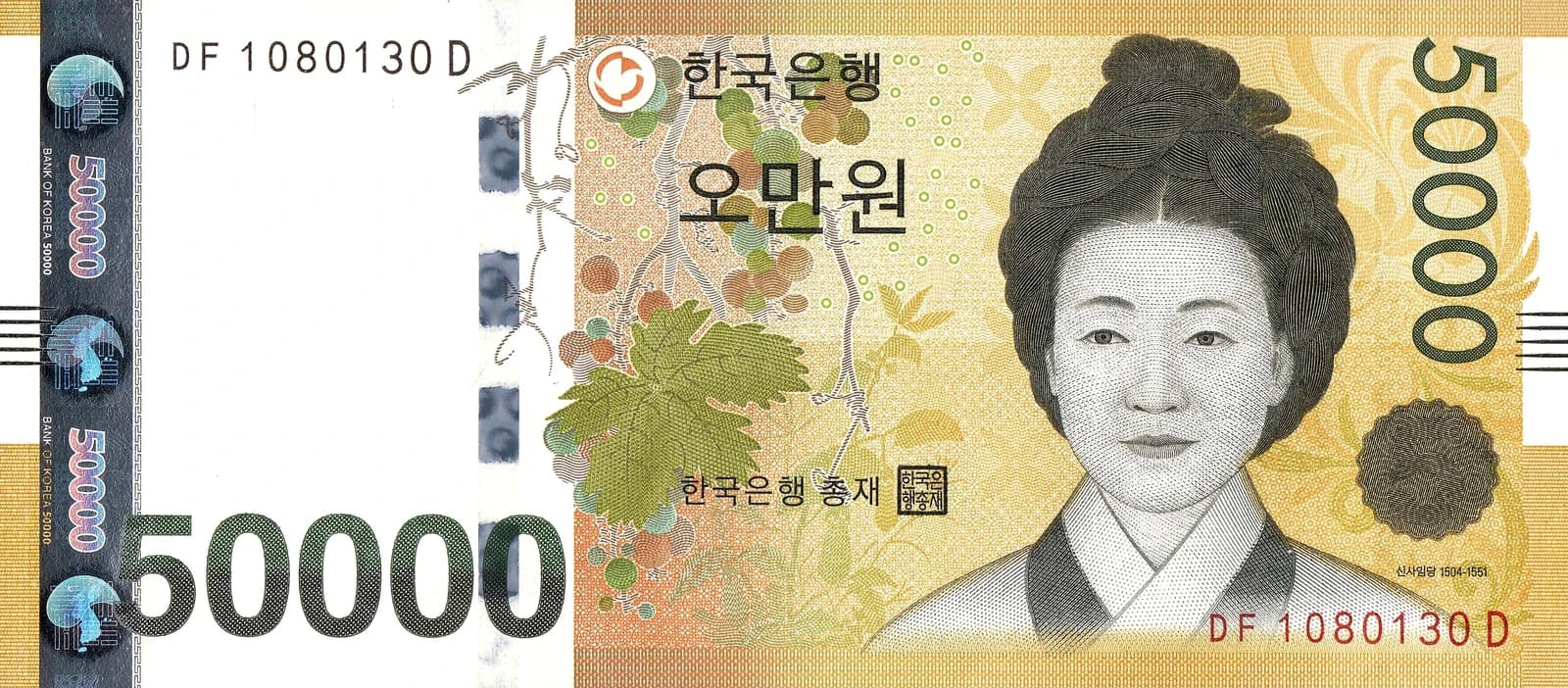
The move matters because South Korea is entering a period in which inflation, a weak won and imported cost pressure are colliding with a still-open recovery in trade. By lifting borrowing costs now, the central bank is signaling that it sees the inflation threat as more immediate than the growth cost, and that it wants to prevent exchange-rate weakness from feeding another round of price gains.
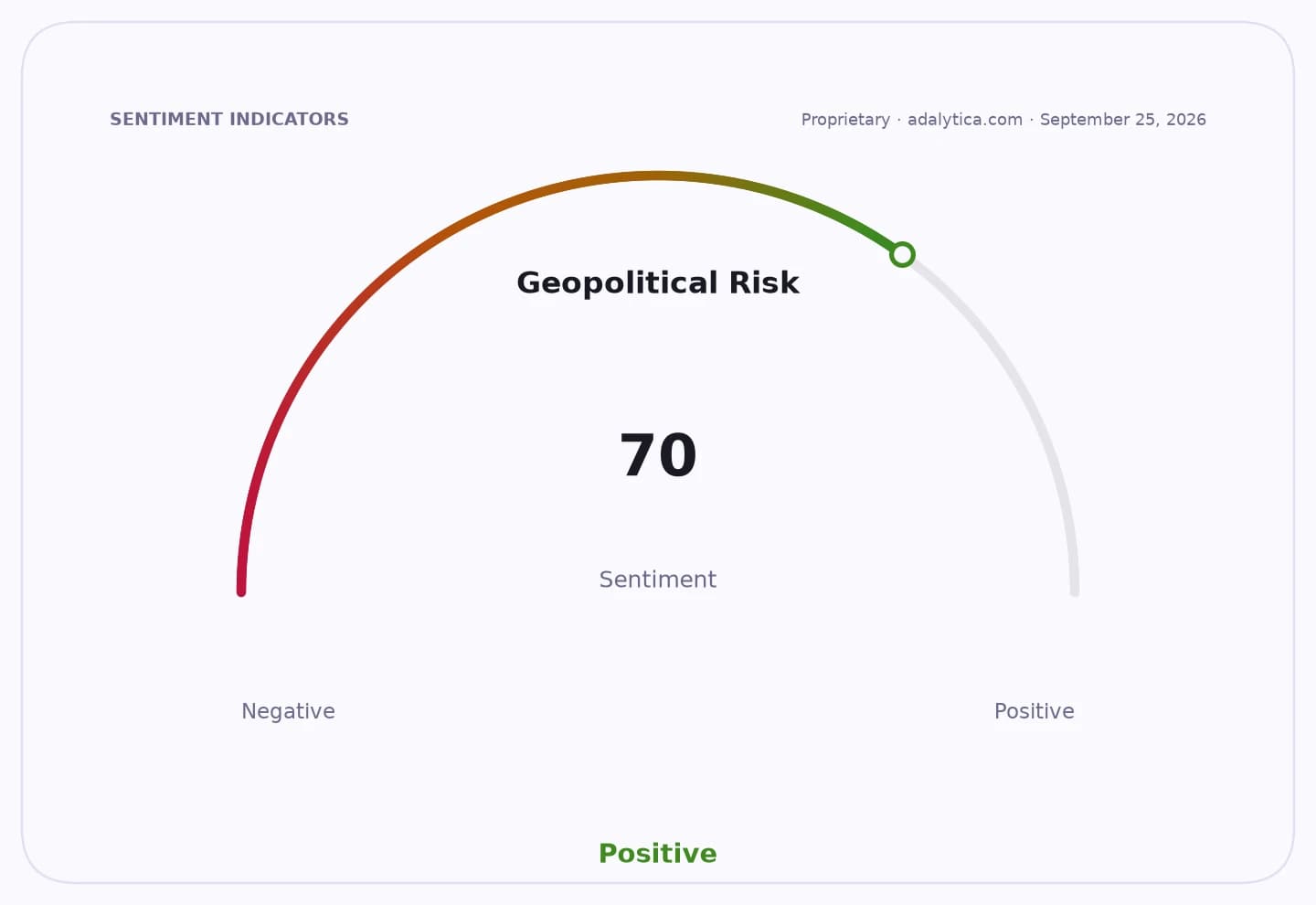
Sentiment IndicatorsⓘProprietary · adalytica.com · July 16, 2026
This is a snapshot — live sentiment, awareness and momentum for 130+ markets update continuously in the dashboard.Open AlphaPulse
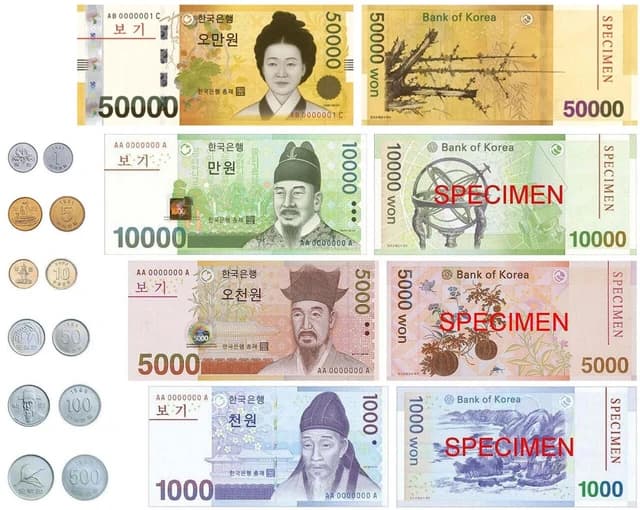
That stance is economically significant for an export-led economy that depends heavily on imported energy and raw materials. A softer won raises the local currency cost of those imports, which can keep consumer prices elevated even if domestic demand is not overheating. In that sense, the rate hike is not just a monetary-policy adjustment but an attempt to break a self-reinforcing cycle of currency weakness and inflation.
For investors, the decision changes the calculus across Korean assets. Short-term rates are now on a tightening path, which can weigh on highly leveraged sectors and interest-sensitive assets such as housing and local credit. At the same time, the BOK’s willingness to act may support the won if markets believe it is serious about preserving yield differentials and resisting further depreciation.
The case for tightening is reinforced by the broader macro backdrop. U.S. Treasury yields remain elevated, with the 10-year note around 4.6%, keeping pressure on emerging-market currencies and limiting room for central banks to stay dovish. The dollar is also showing signs of strain in trading signals tracked by Adalytica.com, where sentiment sits in “Extreme Fear,” underscoring how quickly currency markets can reprice when policy divergence shifts.
The risk for the BOK is that rate increases arrive just as global demand cools and domestic financing conditions tighten. A faster-than-expected slowdown would hit consumption and construction, while companies with high debt loads could face higher funding costs before the benefits of a firmer won materialize. Still, the bull case is that the central bank is getting ahead of inflation and preserving policy credibility, which should eventually help stabilize capital flows.
The market will now focus on how far and how fast the BOK is prepared to tighten, and whether the won responds enough to let policymakers pause later in the year. If the currency rebounds and imported inflation eases, the central bank may be able to limit the damage to growth. If not, investors may have to price in a longer tightening cycle and a more pronounced drag on domestic demand.
| Entity | Gains | Losses |
|---|---|---|
| Bank of Korea | ▲Inflation credibility | ▼Growth support |
| Korean won | ▲Policy support | ▼Weak-currency pressure |
| Savers and cash holders | ▲Higher yields | ▼Borrowers and homeowners |
| Exporters | ▲Weaker-won hedge in near term | ▼Importers and rate-sensitive firms |