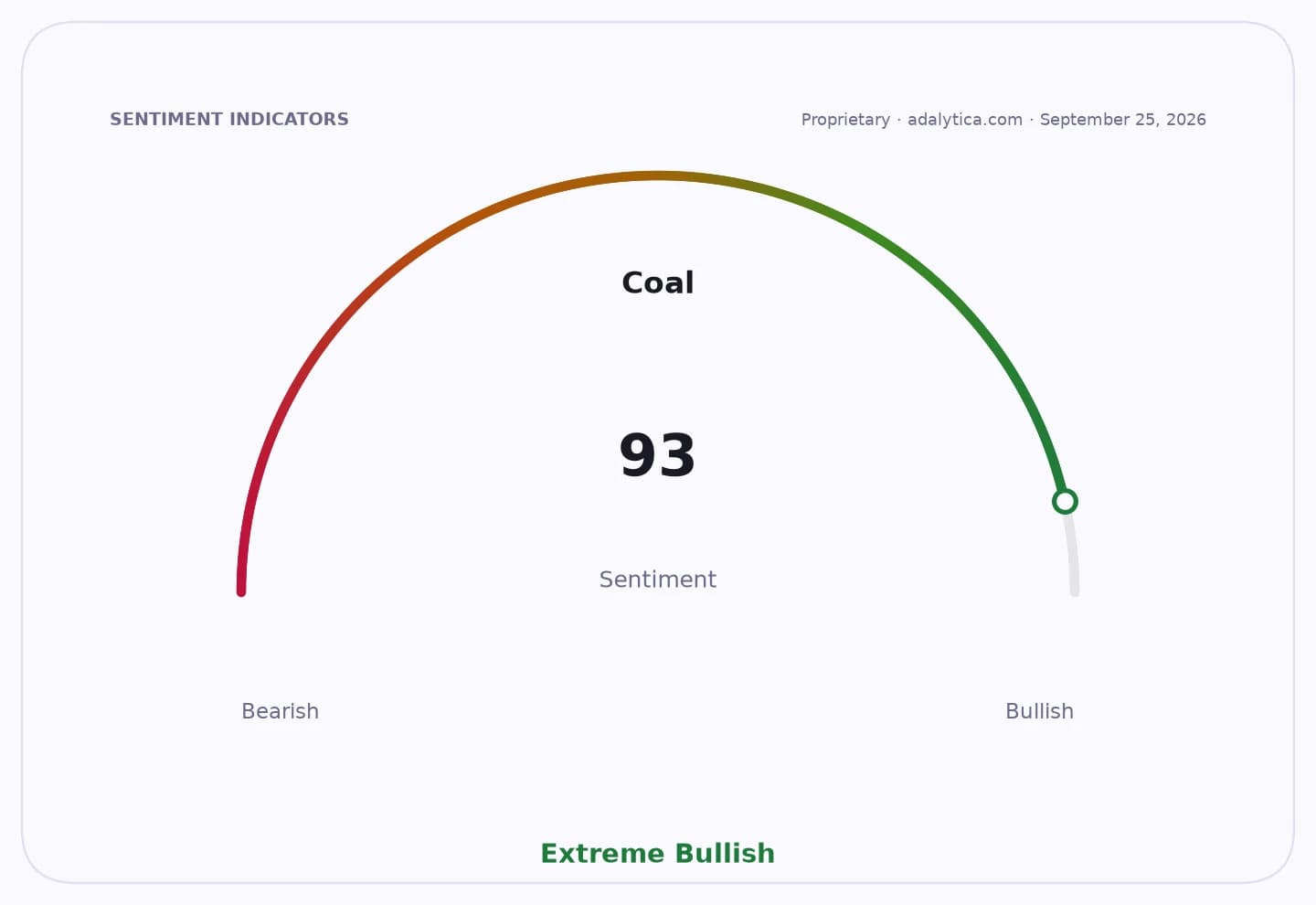
China’s easier visa policy is set to lift inbound travel and business activity, offering a near-term boost to airlines and online travel agencies even as geopolitical risks remain elevated.
Booking Holdings at $192.70 on China visa easing

The biggest economic implication is not the policy itself, but what it can unlock: more international arrivals, higher hotel occupancy and stronger ticket and booking volumes in one of the world’s most important travel markets. For investors, that matters because China demand has been a persistent variable in the recovery for global travel, and any incremental reopening of the market can feed directly into revenue growth for booking platforms, transpacific carriers and hotel operators.
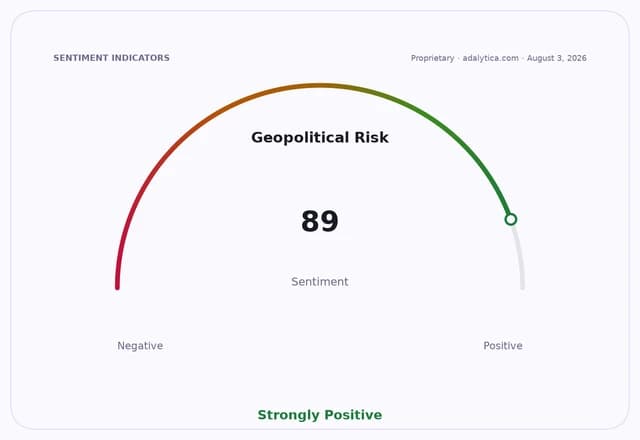
Sentiment IndicatorsⓘProprietary · adalytica.com · August 3, 2026
This is a snapshot — live sentiment, awareness and momentum for 130+ markets update continuously in the dashboard.Open AlphaPulse

The policy shift comes as tensions between China and the West remain volatile, underscoring the split between commercial normalization and strategic confrontation. Adalytica’s US–China relations gauge is in “Extreme Fear,” while China’s policy-direction sentiment is at “Extreme Greed,” a combination that suggests markets see room for economic opening even as diplomacy deteriorates. That divergence is important for investors because it argues for selective exposure to China-facing travel names without assuming a broad de-risking of the geopolitical backdrop.
Booking Holdings, which relies heavily on cross-border travel demand, is among the clearest beneficiaries if China inbound bookings improve. The stock has recently recovered to about $192.70, above its 50-day moving average of $175.56 and with a relative strength index around 65, suggesting momentum has improved after a sharp selloff earlier this year. United Airlines and Delta Air Lines also stand to gain from any uplift in transpacific traffic: United’s shares have climbed to about $127.85, while Delta is at roughly $91.14, both trading above their 50-day averages and above long-term trend levels, indicating investors are already pricing in a healthier demand environment.
US-China Relations vs BKNGadalytica.com
Explore this data interactively — full history, time series and cross-market comparisons.Open AlphaPulse
The broader industry case is straightforward. More visa access tends to support leisure travel, corporate travel and connecting traffic through Asian hubs, while also improving pricing power for airlines and hotel operators. That lines up with recent filings from carriers showing passenger revenue rising on stronger yields and traffic, a sign that incremental international demand can still move earnings. For hotels and booking platforms, the upside is twofold: higher room nights and potentially stronger average daily rates if inbound demand tightens capacity in key destinations.
The bear case is that easier entry rules may not fully overcome softer Chinese consumer confidence, outbound capacity constraints or worsening regional security tensions. The South China Sea dispute and China’s more confrontational rhetoric could still weigh on business sentiment and longer-haul travel patterns. But for now, the market message is that policy easing is enough to matter, and travel investors are likely to focus on whether China arrivals, bookings and load factors improve in the next quarterly reports.
| Entity | Gains | Losses |
|---|---|---|
| Booking Holdings | ▲More China bookings | ▼Less tariff/geopolitical drag |
| United Airlines | ▲Higher transpacific demand | ▼Weaker China traffic if tensions worsen |
| Delta Air Lines | ▲Stronger international load factors | ▼Capacity pressure if demand stalls |
| China economy | ▲More tourism spending | ▼Less support if policy fails to lift arrivals |