Bosnia's annual inflation slowed to 4.2% in June, a sign that the pace of price growth is easing even as it remains high enough to squeeze real incomes and keep policymakers on guard.
Bosnia Inflation Eases, But Policy Relief Remains Distant
The moderation matters because inflation is still eroding purchasing power across the Balkan economy, but a slower rate of increase reduces the risk that the central bank and fiscal authorities will need to tighten policy further at the expense of growth. For households, the deceleration should offer only limited relief: prices are still rising, just less quickly than before. For investors, it points to a more stable macro backdrop, though not yet one that would justify expecting an aggressive shift toward easier monetary conditions.
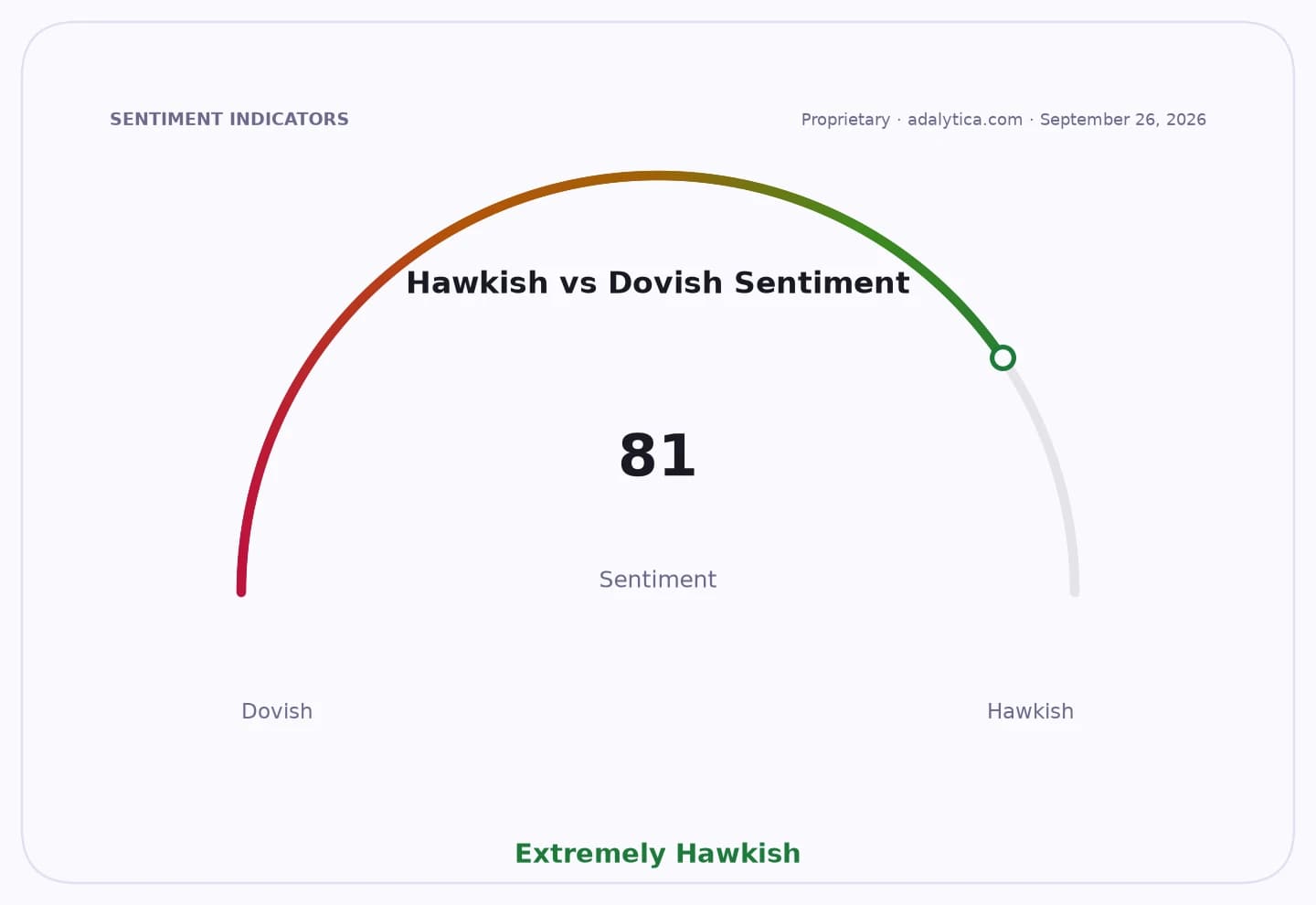
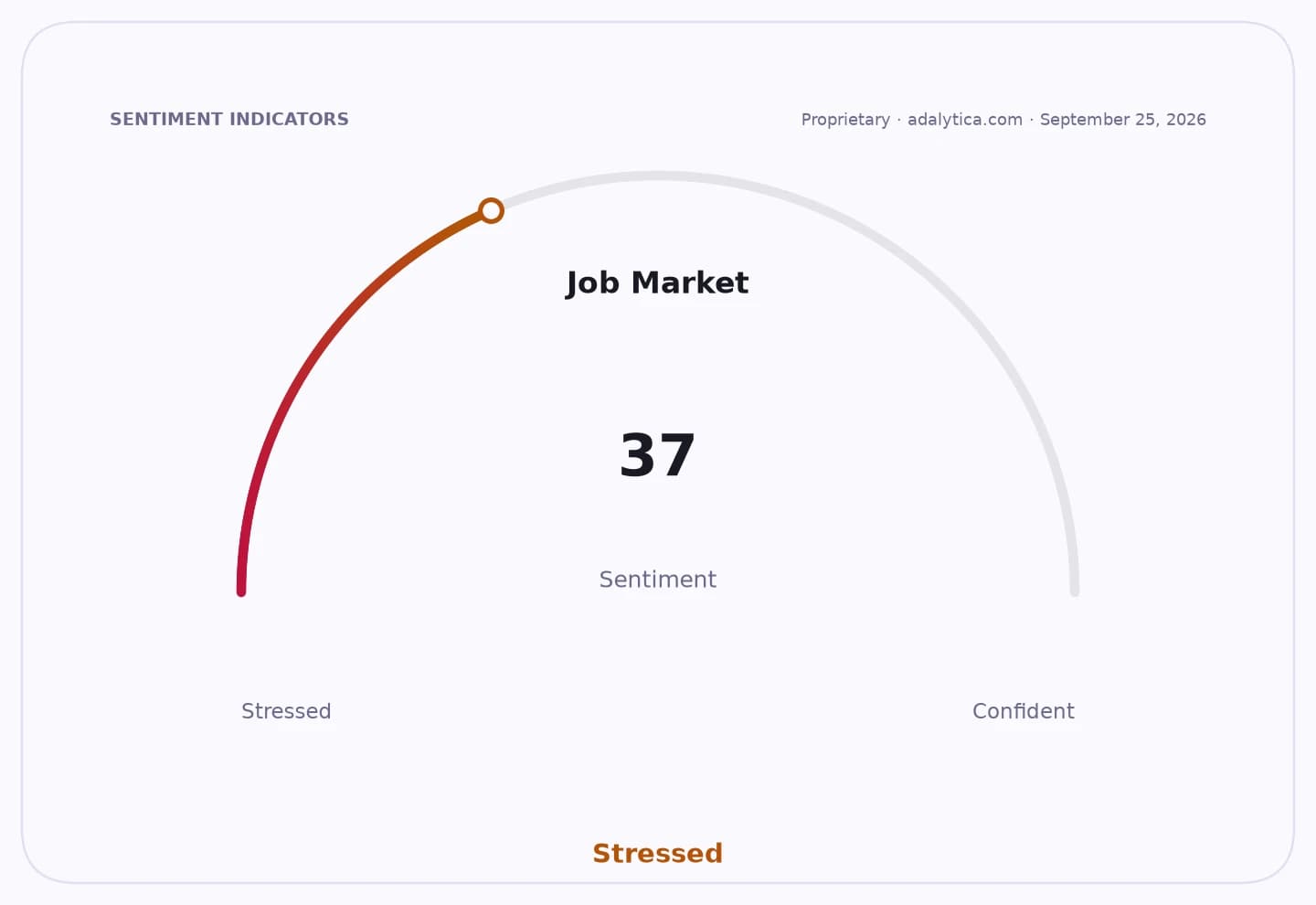
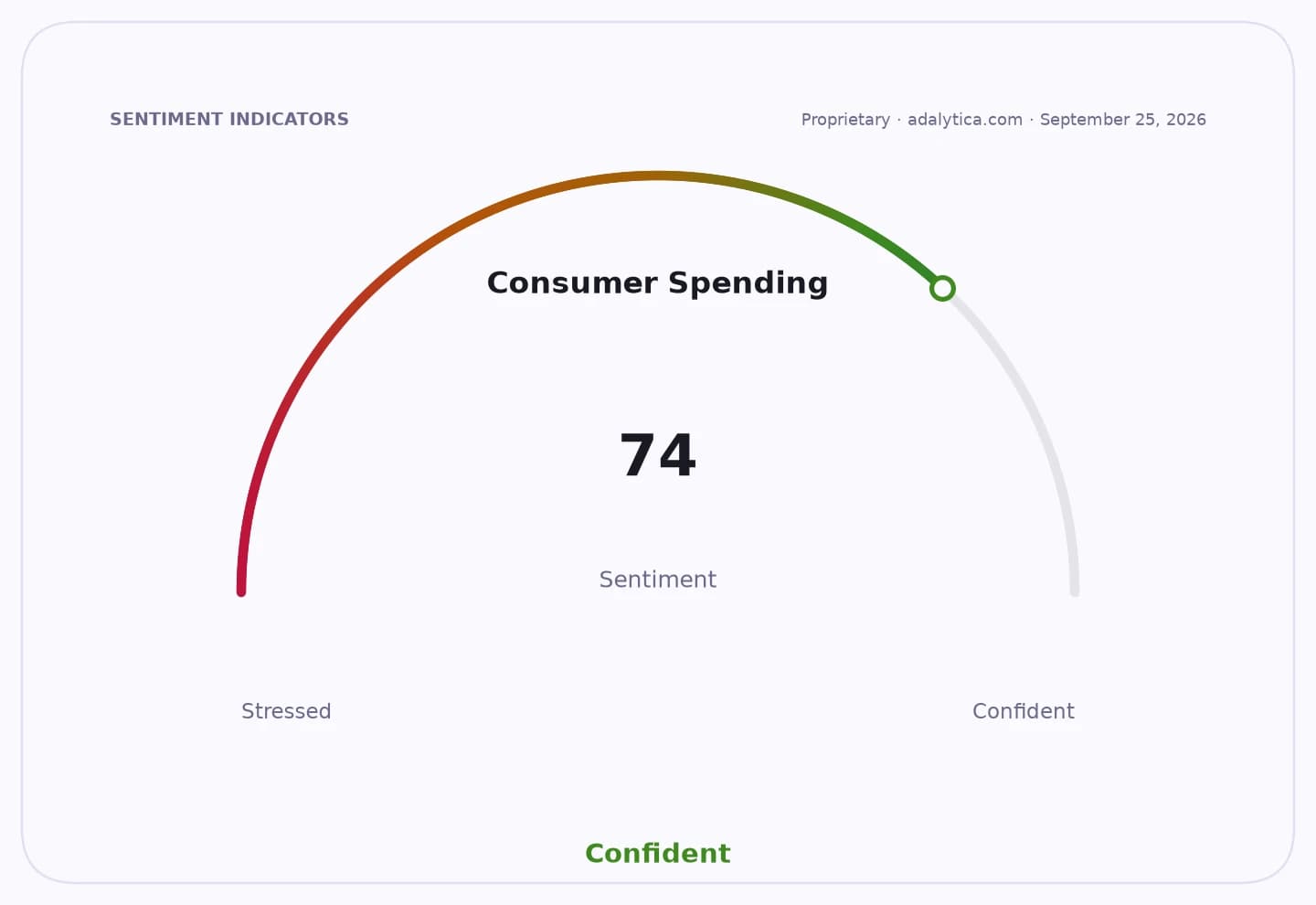
Sentiment IndicatorsⓘProprietary · adalytica.com · July 29, 2026
This is a snapshot — live sentiment, awareness and momentum for 130+ markets update continuously in the dashboard.Open AlphaPulse
The move fits a broader pattern of cooling inflation across parts of Europe, where price pressures are easing from earlier peaks even as central banks remain cautious about declaring victory. Kosovo reported a 6% harmonised annual inflation rate in June, while the European Central Bank is seen pausing after a run of rate increases, highlighting how policy makers are trying to balance disinflation with slowing growth. Bosnia's reading, however, remains well above the levels consistent with price stability, suggesting that any policy relief will be gradual rather than immediate.
Economically, the June figure signals that imported costs, energy and other supply-side pressures may be losing some momentum, but it does not remove the broader drag inflation has imposed on consumption. If wage growth fails to keep up, spending power will remain under strain and retailers may still face pressure on volumes. If inflation continues to edge lower in coming months, it could support real incomes and improve confidence, a positive for domestically focused assets.
For investors, the key question is whether the slowdown proves durable. A sustained deceleration would strengthen the case for steadier interest rates and lower risk premiums, particularly for local debt and consumer-sensitive sectors. The bear case is that Bosnia remains vulnerable to external shocks, from energy prices to regional supply disruptions, which could keep inflation sticky and limit the room for policy easing.
The next readings will matter for judging whether June marks the start of a broader disinflation trend or just a temporary pause. For now, the data suggests Bosnia is moving in the right direction, but not yet far enough for markets to assume an easy policy backdrop.
| Entity | Gains | Losses |
|---|---|---|
| Households | ▲Slower erosion of purchasing power | ▼Still-high living costs |
| Central bank/policymakers | ▲More room to hold rates steady | ▼Less urgency to ease policy |
| Consumer-focused businesses | ▲Better demand outlook if inflation keeps cooling | ▼Margins if costs stay elevated |
| Savers and bond investors | ▲Greater policy stability | ▼Limited immediate rate-cut upside |