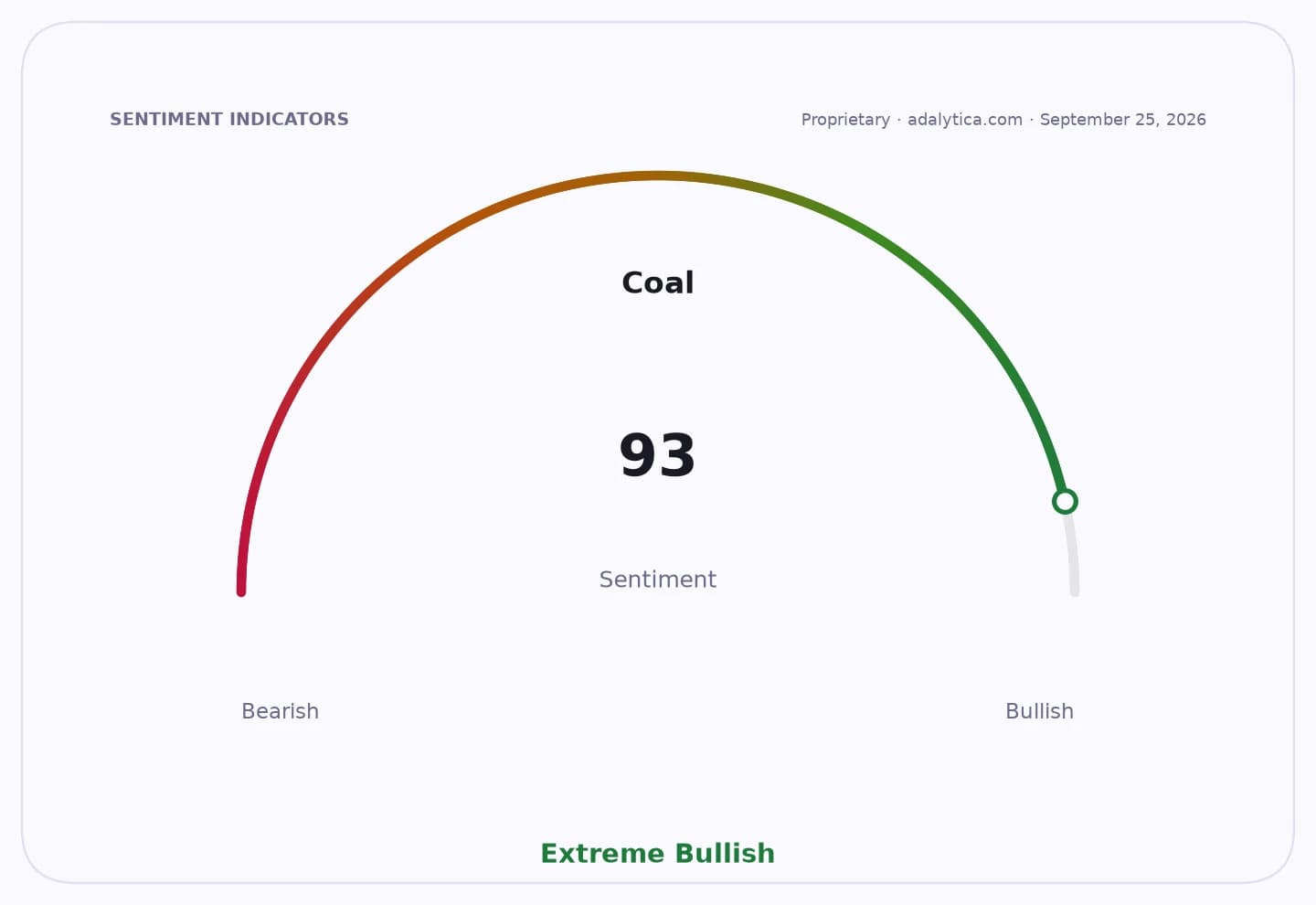
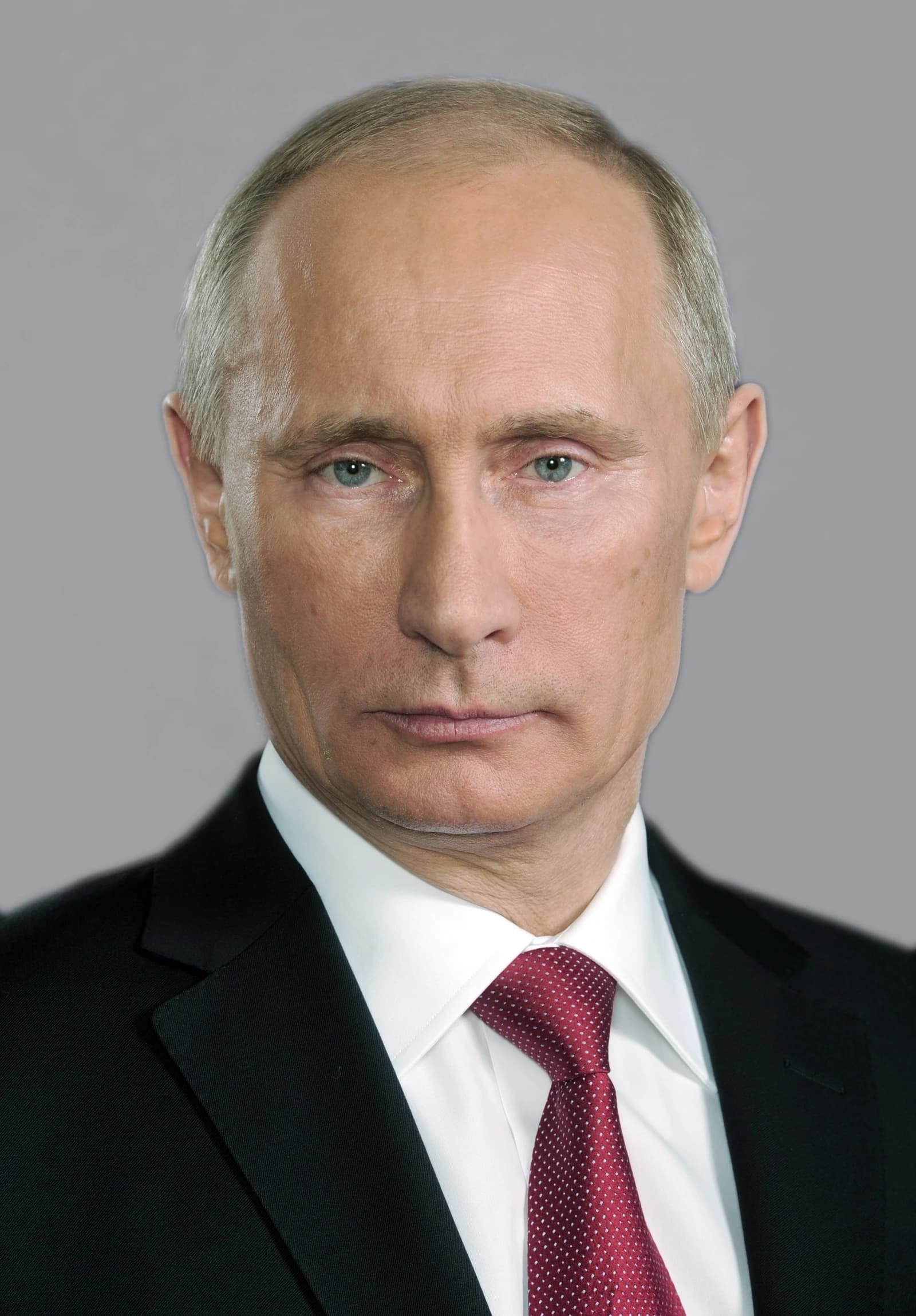
Brazil’s decision on whether to let former President Jair Bolsonaro receive Argentina’s Javier Milei under house arrest is a reminder that one of the region’s biggest political flashpoints is still far from settled — and that matters for investors because political noise can spill into Brazilian assets, Argentine sentiment and the broader Mercosur investment backdrop.
Brazil-Argentina Politics Still Support Latin America Risk
For long-term investors, the immediate issue is not the symbolism of a right-wing alliance across the border. It is whether Brazil’s judiciary keeps tightening the political temperature around Bolsonaro at a moment when Latin America is already wrestling with fragile growth, volatile currencies and uneven confidence. When politics becomes headline-driven, it can weigh on risk appetite even if the underlying businesses keep performing.
That’s one reason Brazil’s market has stayed resilient despite the noise. The iShares MSCI Brazil ETF, EWZ, has been holding above its 50-day and 200-day moving averages, a sign that investors are still willing to own Brazil exposure even after a choppy summer. The fund closed at 35.23 on July 17, well above its 200-day average of 34.53, suggesting the broader trend remains constructive even as momentum has cooled from earlier highs.
Argentina’s market is showing a similar message, though from a very different starting point. The Global X MSCI Argentina ETF, ARGT, has also stayed above its long-term average, with the fund closing at 92.03 versus a 200-day average of 89.64. That tells you investors have not abandoned the country despite its political and economic volatility. Instead, they are trying to separate short-term headlines from the bigger question: can reforms, regional trade and stronger governance eventually translate into durable cash flows for companies and better returns for patient shareholders?
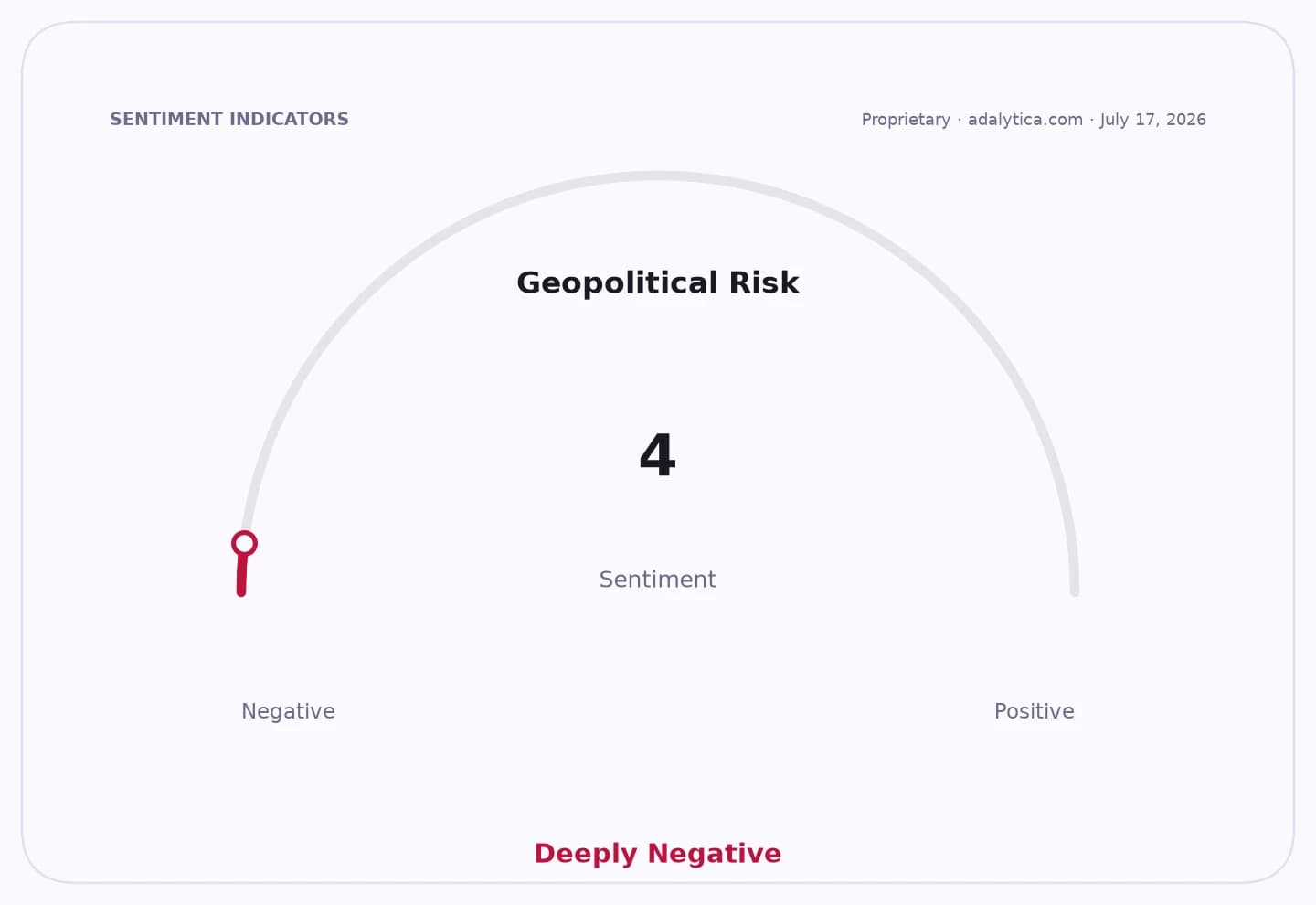
Geopolitical Risk vs EWZadalytica.com
Explore this data interactively — full history, time series and cross-market comparisons.Open AlphaPulse
The currencies are sending a calmer signal too. The British pound proxy ETF, FXB, barely budged around 129.41, underscoring that this is a regional political story rather than a broader global risk event. But in Latin America, regional politics often matters most at the margin. A more cooperative Brazil-Argentina relationship can support trade, aviation, infrastructure and capital flows over time. A more antagonistic one can delay that progress.
Bolsonaro’s request is therefore less about a single prison-house visit than about the state of regional power politics. Milei has become a polarizing but economically consequential figure in Argentina, while Bolsonaro remains a potent force in Brazil even under legal pressure. Their interaction underscores how personality-driven politics still shapes the Mercosur block, which investors care about because it affects tariffs, regulation, cross-border investment and the stability premium demanded on Latin American assets.
That said, the bigger investment lesson is patience. Political headlines in Brazil and Argentina can create sharp swings, but long-term compounding usually comes from buying quality exposure during periods of uncertainty, not from chasing every news cycle. For diversified investors, that means keeping Latin America in perspective — as part of a broader portfolio, not a single bet on who wins the next political round.
For now, Bolsonaro’s request is worth watching mainly as a gauge of how much room remains for regional rapprochement, and how much legal and political friction still stands in the way. Investors should treat it as another reminder that in emerging markets, the path to returns often runs through politics first and earnings later.
| Entity | Gains | Losses |
|---|---|---|
| Bolsonaro | ▲political visibility | ▼legal pressure |
| Milei | ▲regional reach | ▼diplomatic scrutiny |
| Brazil equities (EWZ) | ▲resilience if stability holds | ▼volatility from headlines |
| Argentina equities (ARGT) | ▲reform narrative support | ▼policy and political risk |