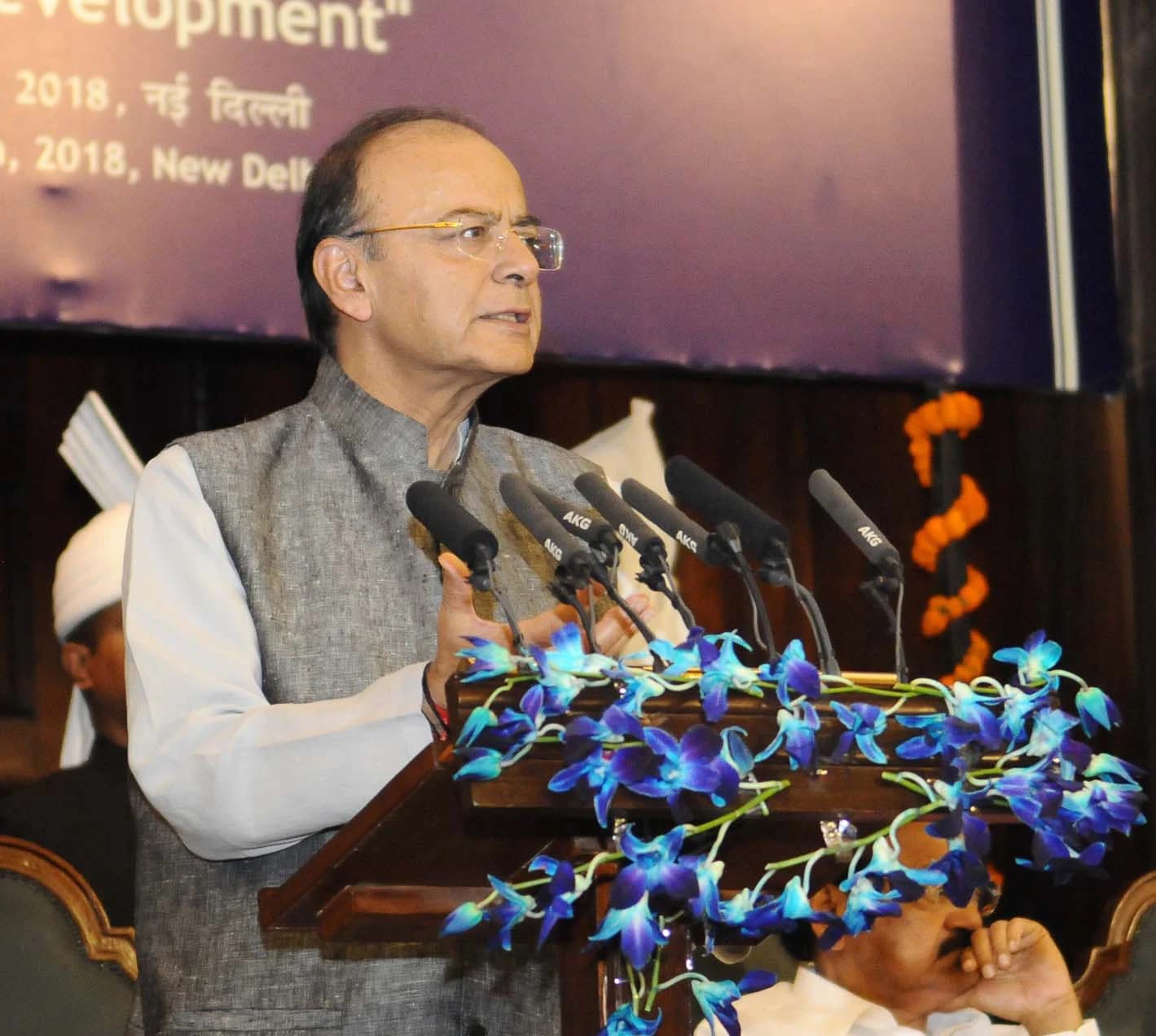
Brazil is trying to turn COP31 into a test case for climate leadership, but the risk is that the talks end in deadlock unless richer countries back Lula’s call for far more funding to help poorer nations cut fossil-fuel use and protect forests.
Brazil COP31 Push Raises Climate Funding Stakes
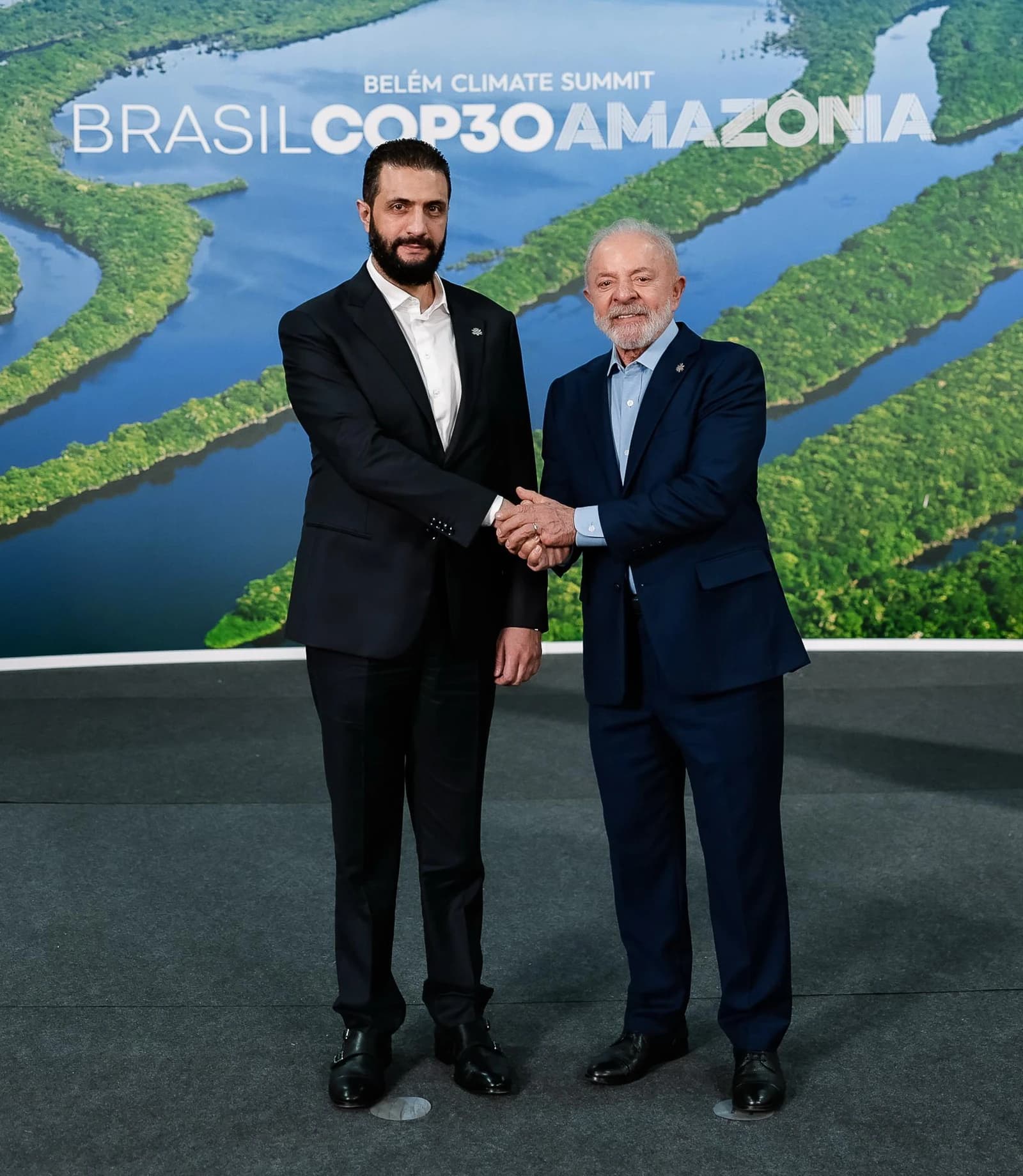
That matters because the negotiation is no longer only about emissions pledges. It is about who pays for the transition, how quickly emerging markets can decarbonize without choking growth, and whether climate diplomacy can still produce concrete financing after years of stalled promises.
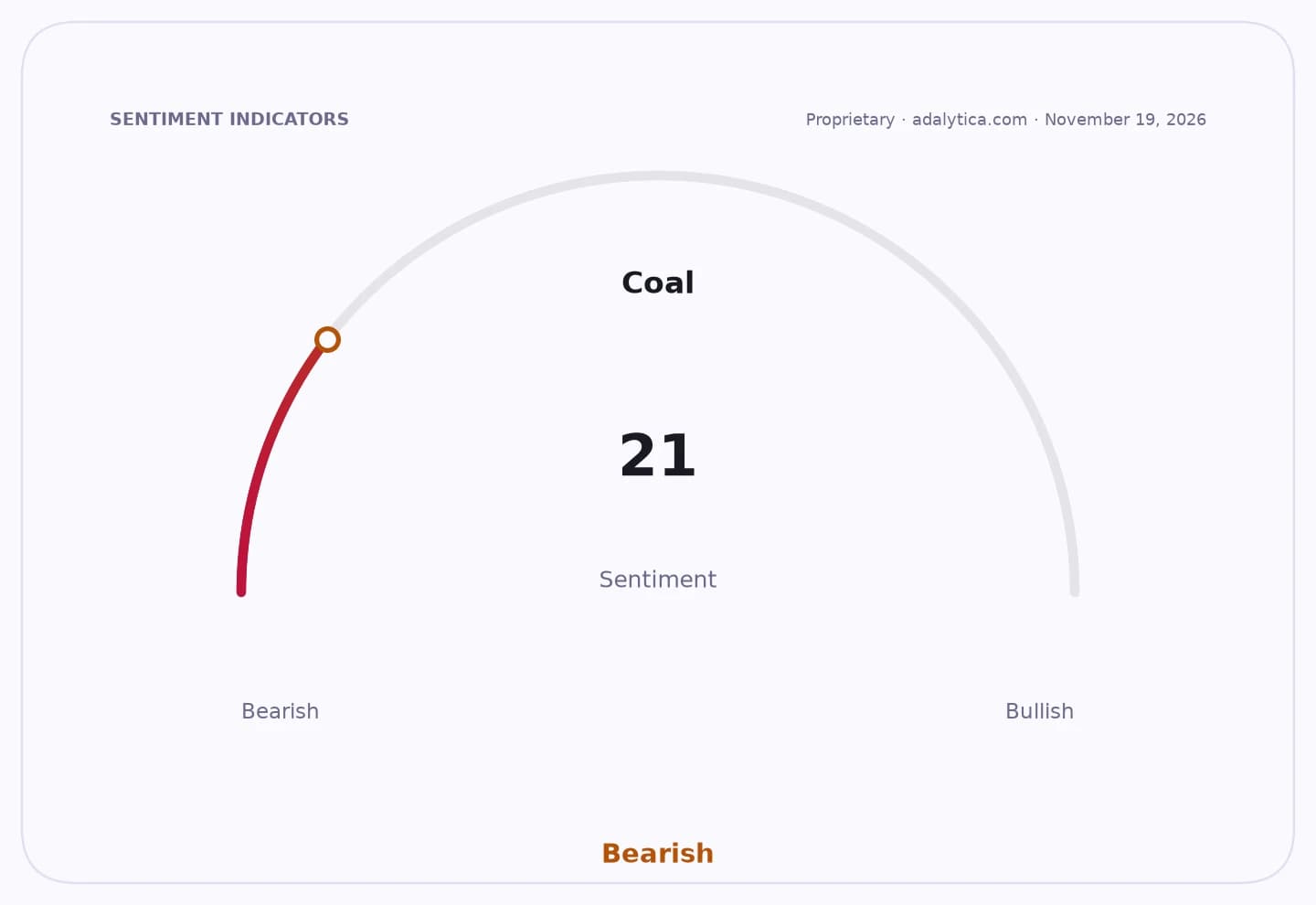
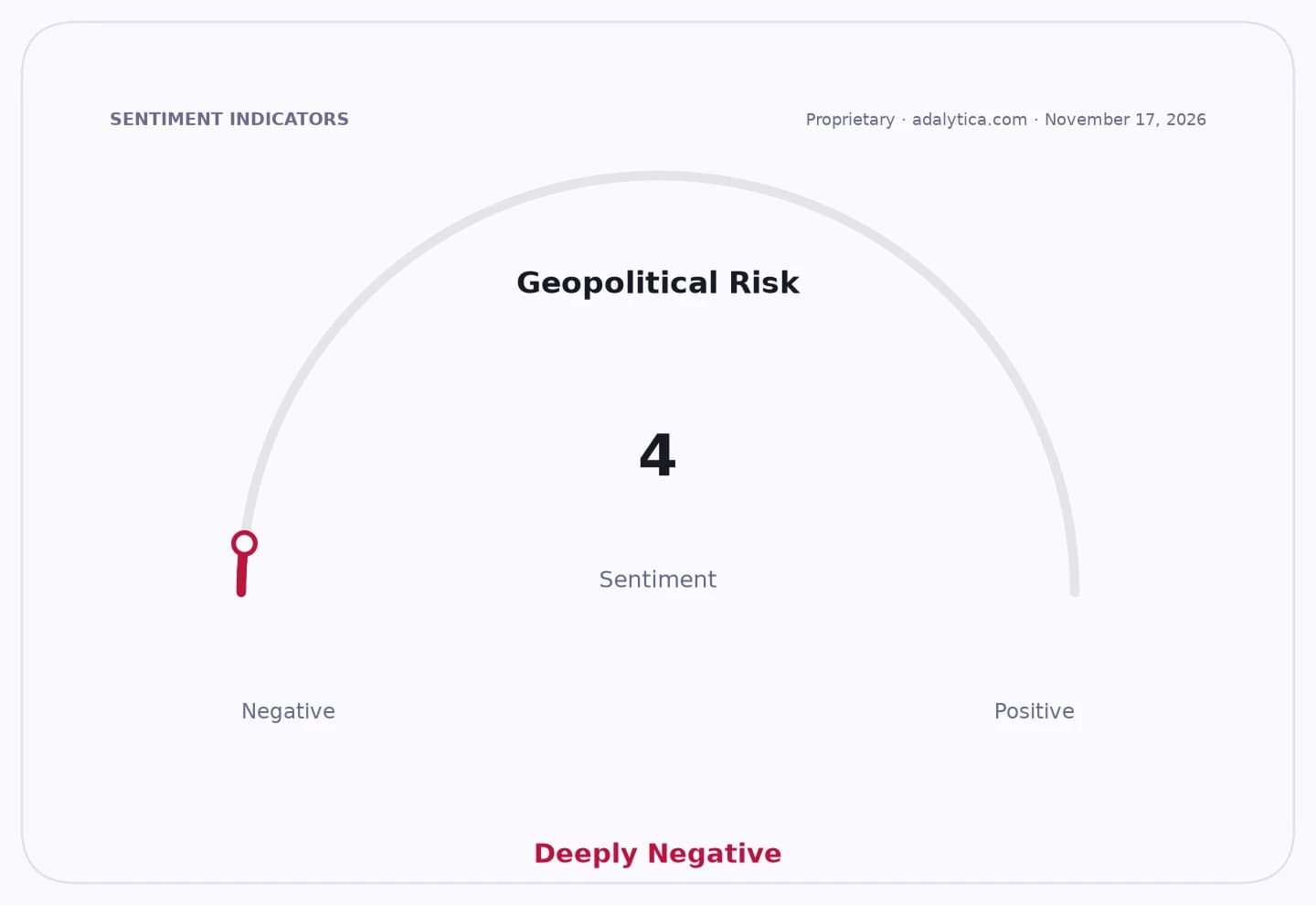
Sentiment Indicators
President Luiz Inacio Lula da Silva has made Brazil’s pitch unusually explicit: he says the world needs about $1.3 trillion a year to fund the shift away from fossil fuels and preserve the Amazon. He has also pointed to Brazil’s own progress, saying the country cut greenhouse-gas emissions by 27% between 2022 and 2024, to argue that developing economies can move faster if they get support.
The stakes for investors are direct. A credible financing framework would support Latin American green infrastructure, biofuels, forestry and agribusiness adaptation, while a failure at COP31 would reinforce the view that climate policy remains fragmented and that transition risk stays high for energy, agriculture and commodity markets.
That tension is already showing up in Brazilian assets. EWZ, the iShares MSCI Brazil ETF, has fallen to $31.02 from $42.59 on Oct. 23, with its 50-day moving average now at $37.30 and RSI at 31.4, a sign of heavy selling pressure. Petrobras has also slid sharply, closing at $17.41 on Nov. 17 after trading as high as $26.16 in October, underscoring how quickly sentiment can swing when policy, oil prices and global risk appetite move against Brazilian stocks.
For Lula, the broader narrative is that Brazil wants to set the example by pairing tougher domestic climate action with a demand for global capital. For markets, the question is whether COP31 delivers a workable blueprint for financing the transition — or another impasse that leaves investors to price climate risk on their own.
| Entity | Gains | Losses |
|---|---|---|
| Brazil government | ▲Climate leadership narrative | ▼Credibility if talks stall |
| Rich nations | ▲Smaller near-term funding bill | ▼Pressure to finance transition |
| Renewable and forest projects | ▲Potential capital inflows | ▼Delay if deal falters |
| Brazilian equities | ▲Policy clarity if funding emerges | ▼Risk premium if impasse deepens |