Brazil’s inflation outlook is weakening for a fourth straight week, a shift that matters for monetary policy, bond yields and rate-sensitive assets because it increases the odds the central bank can ease policy sooner than previously expected.
Brazil Inflation Expectations Ease, Boosting Cut Bets
The market-linked forecast now points to consumer prices rising 0.89% in July, after a 0.42% decline in June, according to the supplied data. The annual CPI path implied by those figures continues to moderate from the recent pace, while core inflation is also seen coming in softer, with the ex-food and energy measure forecast to rise just 0.33% in July after little change in June.
Sentiment IndicatorsⓘProprietary · adalytica.com · July 27, 2026
This is a snapshot — live sentiment, awareness and momentum for 130+ markets update continuously in the dashboard.Open AlphaPulse
That backdrop helps explain why investors are paying close attention to inflation expectations rather than just the latest monthly print. When forecasts fall repeatedly, it tends to feed through to lower front-end bond yields, stronger demand for duration and greater confidence that policymakers will not need to keep rates restrictive for as long.
The move also fits a broader global pattern of easing price pressure, even as some economies still face sticky inflation and central banks remain cautious. In Brazil, the key question is whether softer inflation becomes durable enough to give the central bank room to accelerate cuts without jeopardizing its credibility on price stability.
2% Target Confidence vs TLTadalytica.com
Explore this data interactively — full history, time series and cross-market comparisons.Open AlphaPulse

Market pricing has already started to reflect that debate. The iShares 20+ Year Treasury Bond ETF, TLT, has been trading below both its 50-day and 200-day moving averages, while U.S. Treasury yields remain elevated, underscoring how sensitive fixed income is to inflation surprises across major markets. In equities, SPY has also drifted below its 50-day average, suggesting investors are still balancing hopes for easier policy against still-tight financial conditions.
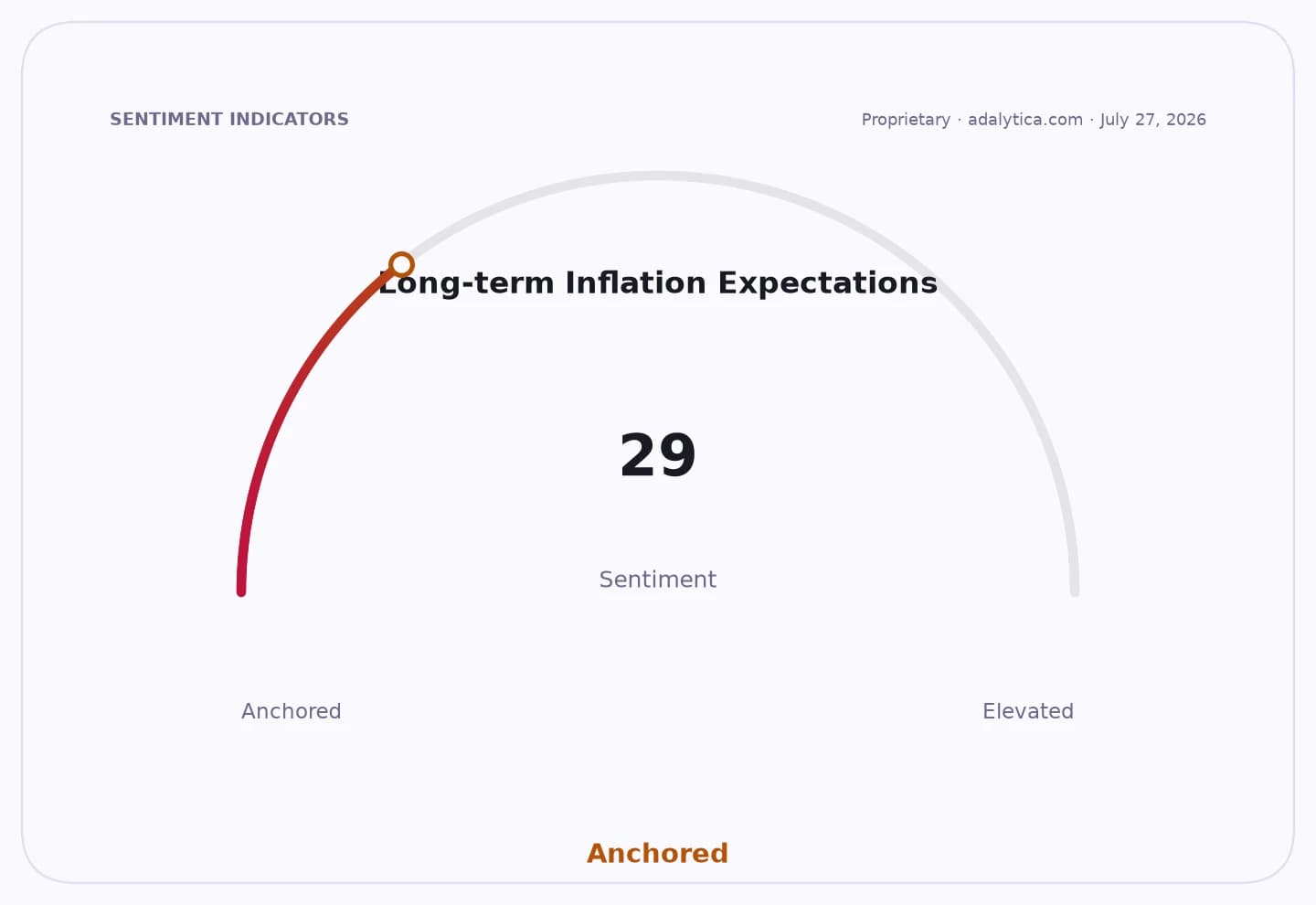
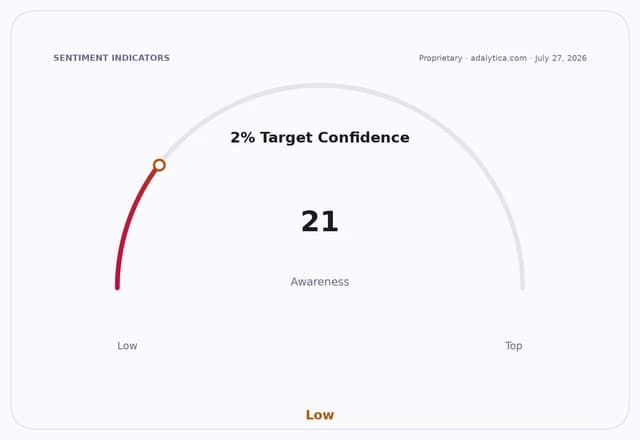
Adalytica’s confidence gauge on the Fed’s 2% inflation target sits in neutral territory, while long-term inflation expectations and 10-year breakeven sentiment remain in fear mode, highlighting a market that is wary of declaring victory over inflation too early. For Brazil, that means the next inflation readings and central bank communication will be the main catalysts for local bonds, the real and rate-sensitive stocks.
| Entity | Gains | Losses |
|---|---|---|
| Brazil bonds | ▲Lower yields | ▼Faster inflation rebound |
| Rate-sensitive stocks | ▲Easier discount rates | ▼Prolonged high rates |
| Borrowers | ▲Cheaper financing | ▼Higher real rates |
| Central bank hawks | ▲Inflation credibility | ▼Pressure for deeper cuts |




