Brazil’s labor market is still creating formal jobs, but a growing wave of pessimism — dubbed “doomjobbing” — is making the hunt for work feel harder than the data suggests. That matters because hiring is one of the last big supports for household spending, and rising frustration can curb consumption even when payrolls keep expanding.
Brazil Jobs Strong, But Sentiment Weakens

The government says beneficiaries of Bolsa Família and CadÚnico accounted for 91% of the new formal vacancies created in Brazil, underscoring how social programs are increasingly tied to labor-market entry. That points to a market that is still absorbing vulnerable workers, especially women, young people and Black Brazilians, but also one where the quality of job matching and worker confidence is becoming a constraint.
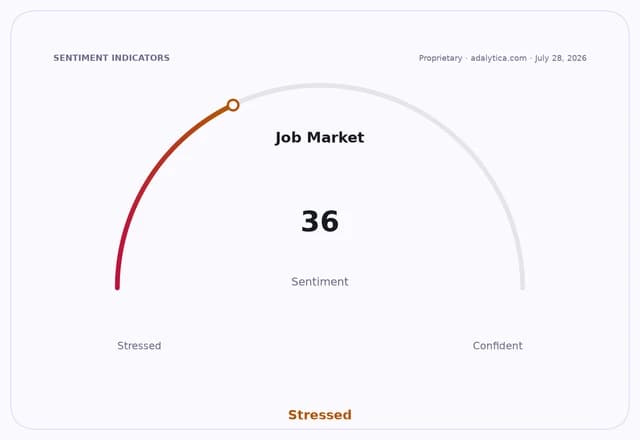
Sentiment IndicatorsⓘProprietary · adalytica.com · July 28, 2026
This is a snapshot — live sentiment, awareness and momentum for 130+ markets update continuously in the dashboard.Open AlphaPulse
Official labor data show unemployment at 4.2% in June, close to multi-decade lows, with forecasts pointing to 4.18% in July. Nonfarm payrolls rose to 158,984 in June and are projected to edge up again, while job openings remain elevated at 7,594 in May, suggesting demand for labor is not disappearing.
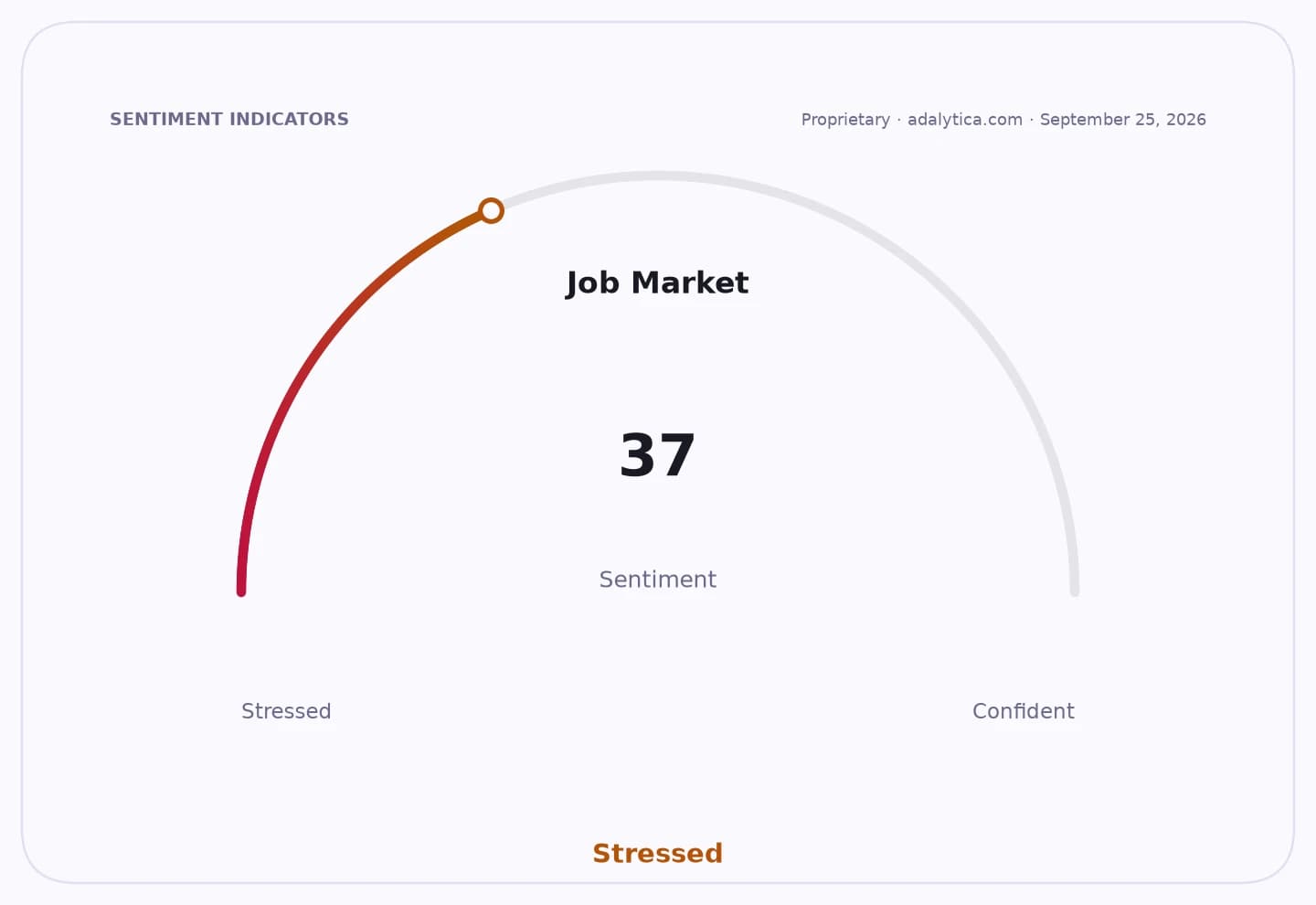
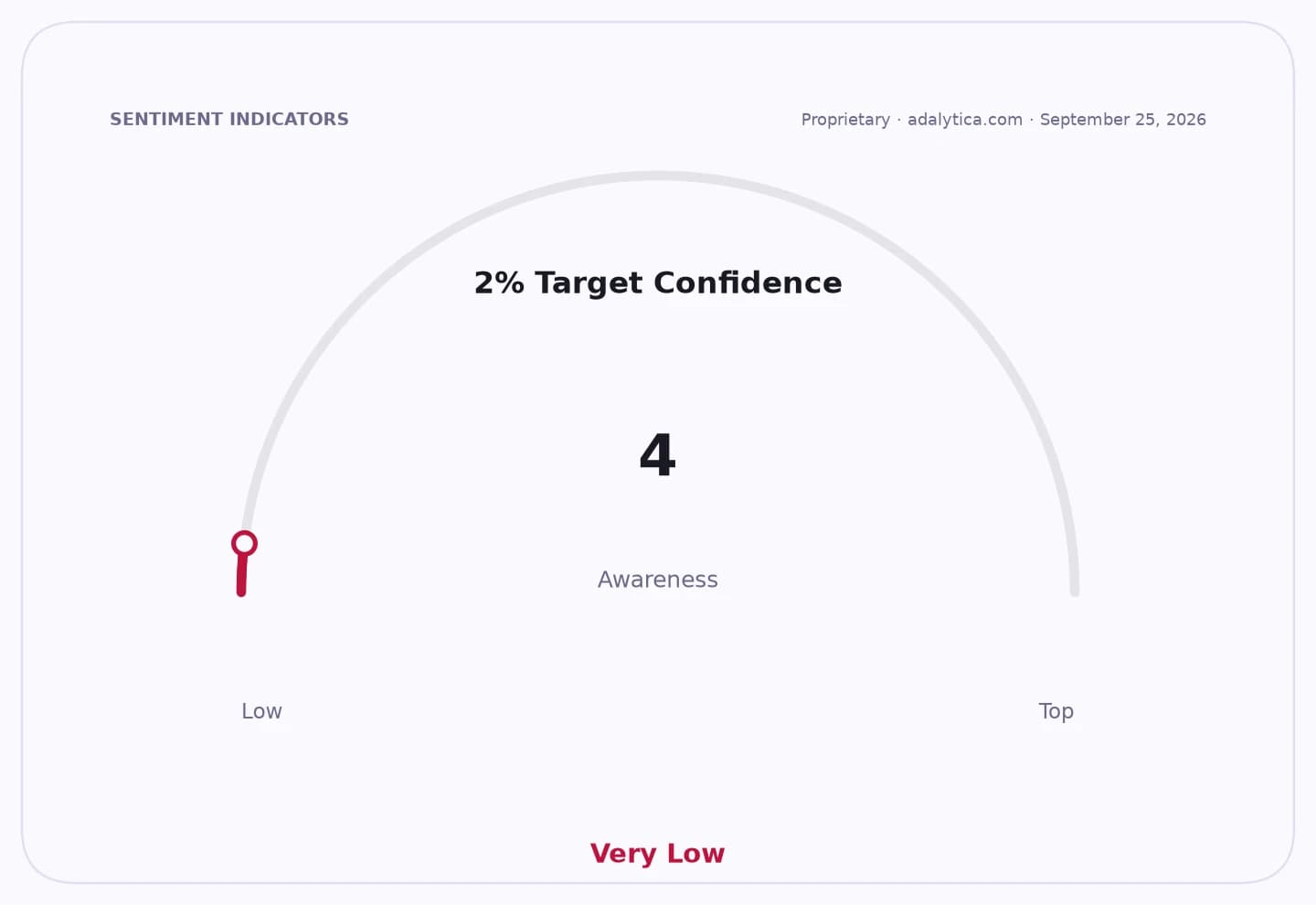
Yet the mood around jobs is deteriorating. Adalytica’s Job Market Sentiment gauge fell to 36, with “awareness” in the fear zone at 29, down 61 points over seven days, even as payroll sentiment held in neutral territory. The gap between hard data and public perception is the key risk for policymakers and investors: when workers believe jobs are scarce or low quality, they cut back on spending, delay major purchases and become more selective about openings.
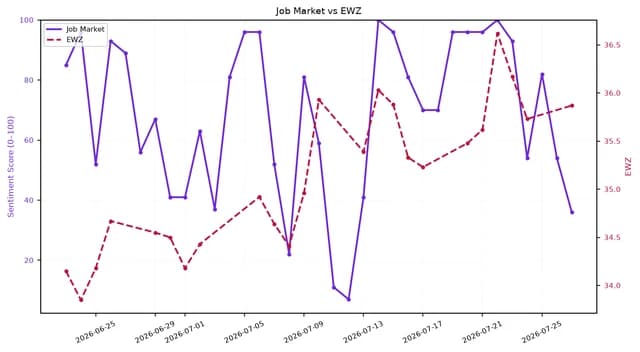
For investors, that matters beyond Brazil’s labor statistics. Consumer-facing companies depend on wage gains and confidence to keep sales moving, and a softer household mood can hit retail, banking and discretionary spending even if headline employment remains firm. It also helps explain why Brazil-linked assets, including the EWZ ETF, are trading against a backdrop of shifting labor-market expectations rather than a clear growth breakout.
EWZ has been volatile but remains above its 200-day moving average, with the ETF at $35.87 on July 27, below a recent peak near $39 and near its 50-day average. Technical readings are mixed, with RSI in the low 60s and the MACD still positive, suggesting investors have not abandoned Brazilian exposure, but are waiting for proof that wage gains and job creation are translating into durable demand.
The next test is whether the formal labor market can keep adding jobs fast enough to offset the psychological drag of “doomjobbing.” If sentiment keeps sliding while unemployment stays low, Brazil may face a strange mix of solid employment and weak confidence — a combination that can slow growth without showing up immediately in the headline jobless rate.
| Entity | Gains | Losses |
|---|---|---|
| Brazilian job seekers with formal access | ▲More vacancies and entry points | ▼Higher anxiety and weaker bargaining power |
| Bolsa Família and CadÚnico beneficiaries | ▲Greater inclusion in payrolls | ▼Still vulnerable to low-quality matches |
| Brazilian retailers and consumer lenders | ▲Employment support for spending | ▼Confidence-driven demand slowdown |
| EWZ investors | ▲Labor resilience supports Brazil exposure | ▼Sentiment risk and volatility |