Brazil’s central government posted a primary deficit of R$48.178 billion in June, underscoring that the country’s fiscal repair is still a work in progress even as policymakers try to reassure markets.
Brazil Posts R$48.178 Billion June Primary Deficit
That matters because the primary balance is the cleanest read on whether the government is collecting enough revenue to cover day-to-day spending before interest costs. A deficit of that size means Brazil still has to lean on borrowing, and borrowing more over time can keep pressure on interest rates, the currency and the government’s debt trajectory.
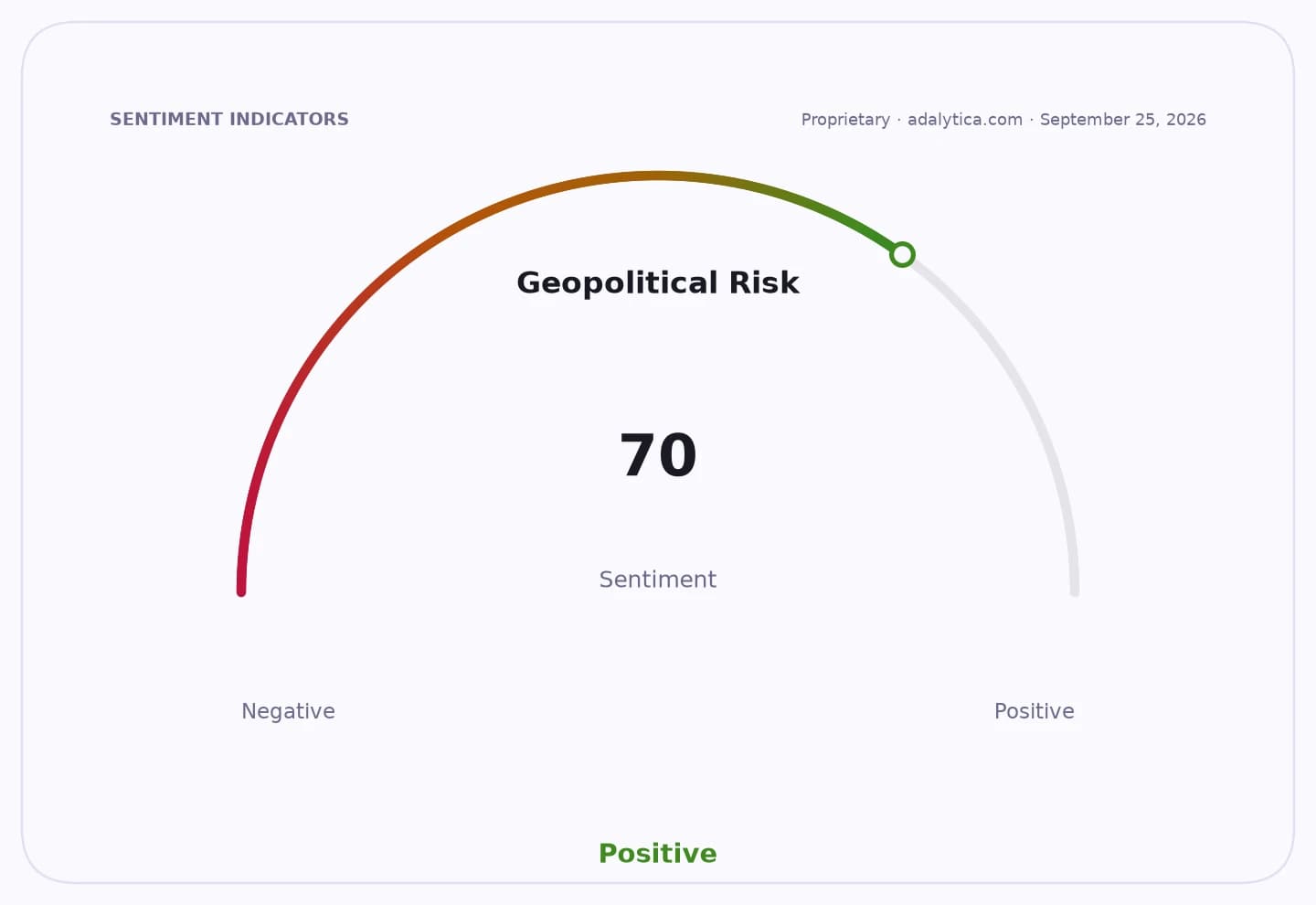
Sentiment IndicatorsⓘProprietary · adalytica.com · July 30, 2026
This is a snapshot — live sentiment, awareness and momentum for 130+ markets update continuously in the dashboard.Open AlphaPulse
For investors, the message is simple: fiscal credibility remains a key part of the Brazilian story. When markets worry that deficits will stay sticky, they tend to demand a higher risk premium to hold local assets. That can matter for everything from government bonds to the real and, indirectly, to Brazilian equities through financing costs and foreign capital flows.
The Treasury’s June figure arrives in a market already sensitive to global rates and risk appetite. Brazil’s 10-year yield was trading around 4.61% in the latest reading, while the 2-year was near 4.27%, suggesting investors are still closely watching inflation and policy expectations as much as the fiscal picture. In that environment, any sign that the government’s budget math is improving, or deteriorating, can quickly feed into asset prices.
Brazilian equities have held up reasonably well. The EWZ exchange-traded fund, which tracks large Brazilian stocks, rose to $36.54 on July 30 after recovering from a spring selloff, and its 50-day moving average has been climbing. That tells you investors have not given up on Brazil’s long-term opportunity. But the market is also signaling caution: the ETF is still dealing with a volatile macro backdrop, and a persistent fiscal shortfall can limit how far valuation multiples expand.
The broader narrative is that Brazil remains an economy with real growth potential, but it has to earn a better fiscal reputation before global investors will fully pay up for it. If the government can narrow the deficit and show a cleaner path for debt stabilization, Brazilian assets could attract more durable foreign money. If not, borrowing costs stay high, policy flexibility shrinks and the upside for long-term investors becomes more dependent on stock picking than on the country trade itself.
For patient investors, that means Brazil is still worth watching, but with discipline. The opportunity is there in a large, resource-rich market, yet the fiscal story will likely decide how much of that opportunity reaches portfolios over the next several years.
| Entity | Gains | Losses |
|---|---|---|
| Brazilian government | ▲More room from stronger revenues later | ▼Higher borrowing needs now |
| Bondholders | ▲Potential future tightening if deficits improve | ▼Fiscal risk and inflation pressure |
| Brazilian equities | ▲Rebound if credibility improves | ▼Multiple compression if deficits persist |
| Foreign investors | ▲Discounted entry point | ▼Currency and policy uncertainty |