Brazilian President Luiz Inacio Lula da Silva is seeking a direct call with Donald Trump as trade tensions with Washington intensify, a move aimed at limiting the economic fallout from U.S. tariffs and preventing the dispute from spilling deeper into Brazil’s 2026 election campaign.
Brazil Lula Seeks Trump Call on Tariff Dispute
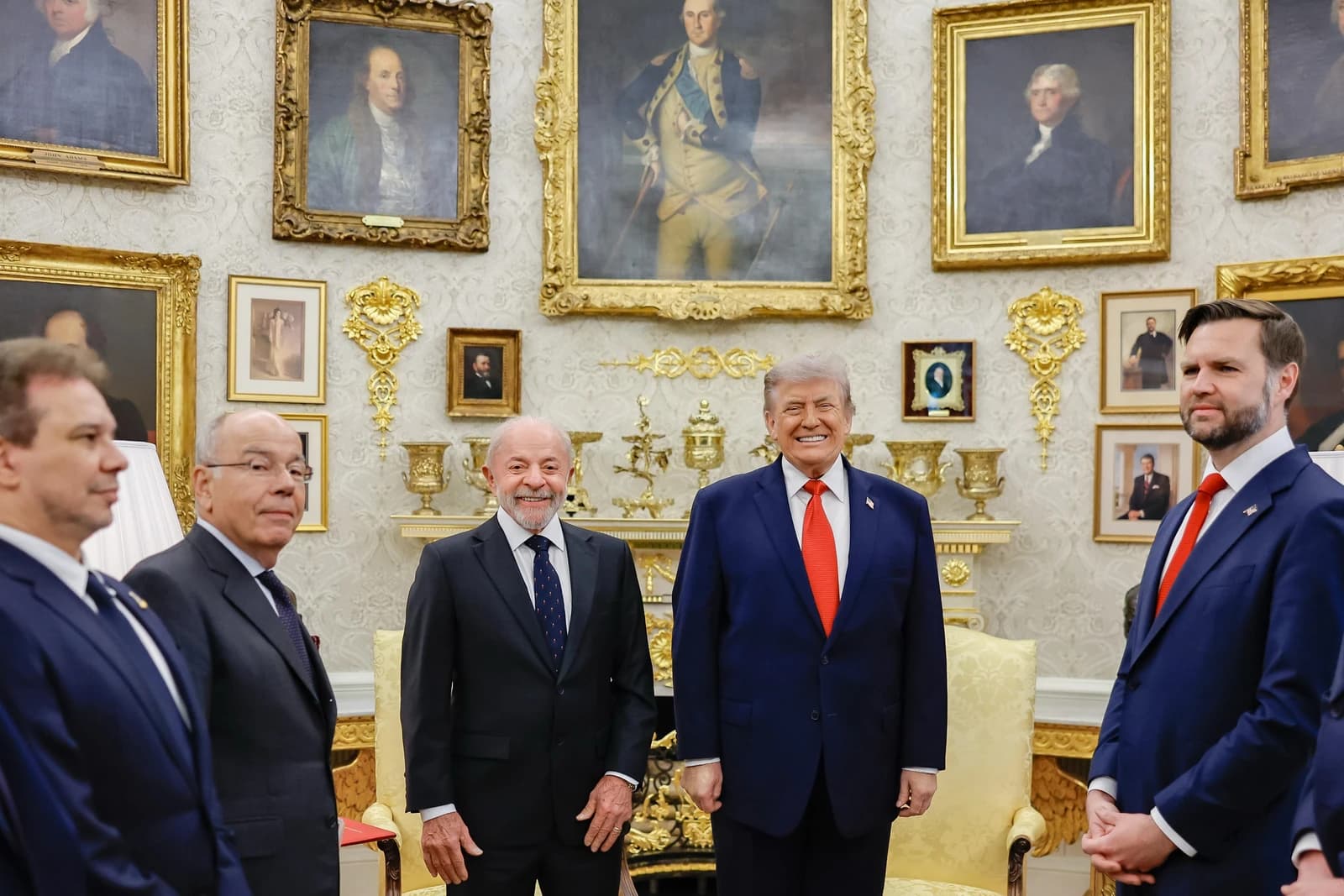
The push for dialogue comes as Brazil activates a reciprocity process in response to the U.S. measures, setting up a government committee to protect domestic industries and preserve room for retaliation without immediately escalating the conflict. For investors, the key issue is whether Brasília can contain the shock before it hits exporters, the currency and local risk assets.
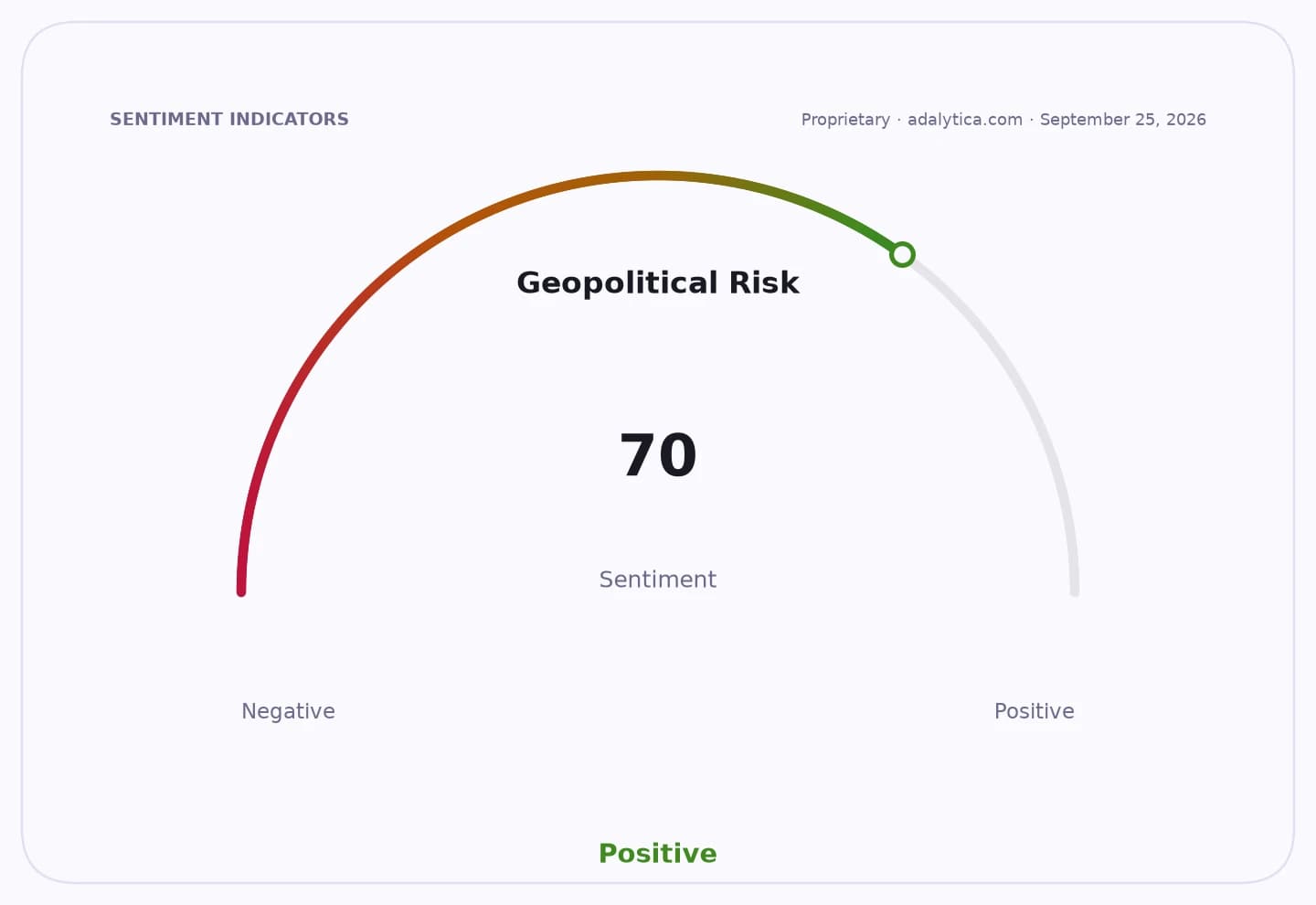
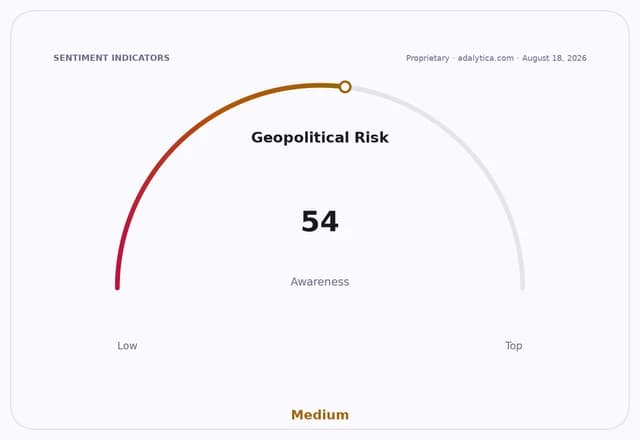
Sentiment IndicatorsⓘProprietary · adalytica.com · August 18, 2026
This is a snapshot — live sentiment, awareness and momentum for 130+ markets update continuously in the dashboard.Open AlphaPulse
Lula’s decision to prioritize a call underscores how quickly the dispute has become both a trade and political issue. Brazilian officials are trying to project strength while avoiding a broad tit-for-tat that could damage growth, lift import costs and complicate inflation management at a time when policymakers are already balancing weaker activity against fragile confidence.
The market reaction has been mixed but still reflects caution. EWZ, the iShares MSCI Brazil ETF, slipped to $33.85 on Aug. 18, down from $33.97 a day earlier and $37.68 earlier this month, leaving it below both its 50-day moving average of $34.89 and 200-day moving average of $35.23. The ETF’s RSI reading of 31.6 suggests it is nearing technically oversold territory, while the broader backdrop remains dominated by trade-policy uncertainty.
Brazil’s approach also matters beyond the bilateral fight. A drawn-out tariff dispute could pressure Brazilian exporters, raise volatility in local markets and weaken foreign appetite for Latin American risk more broadly, especially if investors conclude that trade policy is becoming another flashpoint in a year already shaped by geopolitics and election positioning.
For now, the absence of immediate retaliation buys time for negotiations, but it also leaves markets waiting for a signal from Washington. Any Trump-Lula contact, or failure to secure one, is likely to shape the next move for Brazilian assets, the real and sectors tied to U.S. demand.
| Entity | Gains | Losses |
|---|---|---|
| Brazil government | ▲Negotiating leverage | ▼Trade uncertainty |
| Brazilian exporters | ▲Tariff relief if talks work | ▼Higher U.S. barriers |
| U.S. importers | ▲Stable supply if dispute eases | ▼Higher input costs |
| EWZ investors | ▲Bounce on diplomacy | ▼More downside if tensions worsen |