Brazil’s finance minister is sharpening the case that state-backed infrastructure spending, led by the PAC and BNDES, will be central to sustaining construction and investment in São Paulo at a time when higher borrowing costs and uneven private demand are still constraining activity.
Brazil PAC and BNDES Support São Paulo Construction
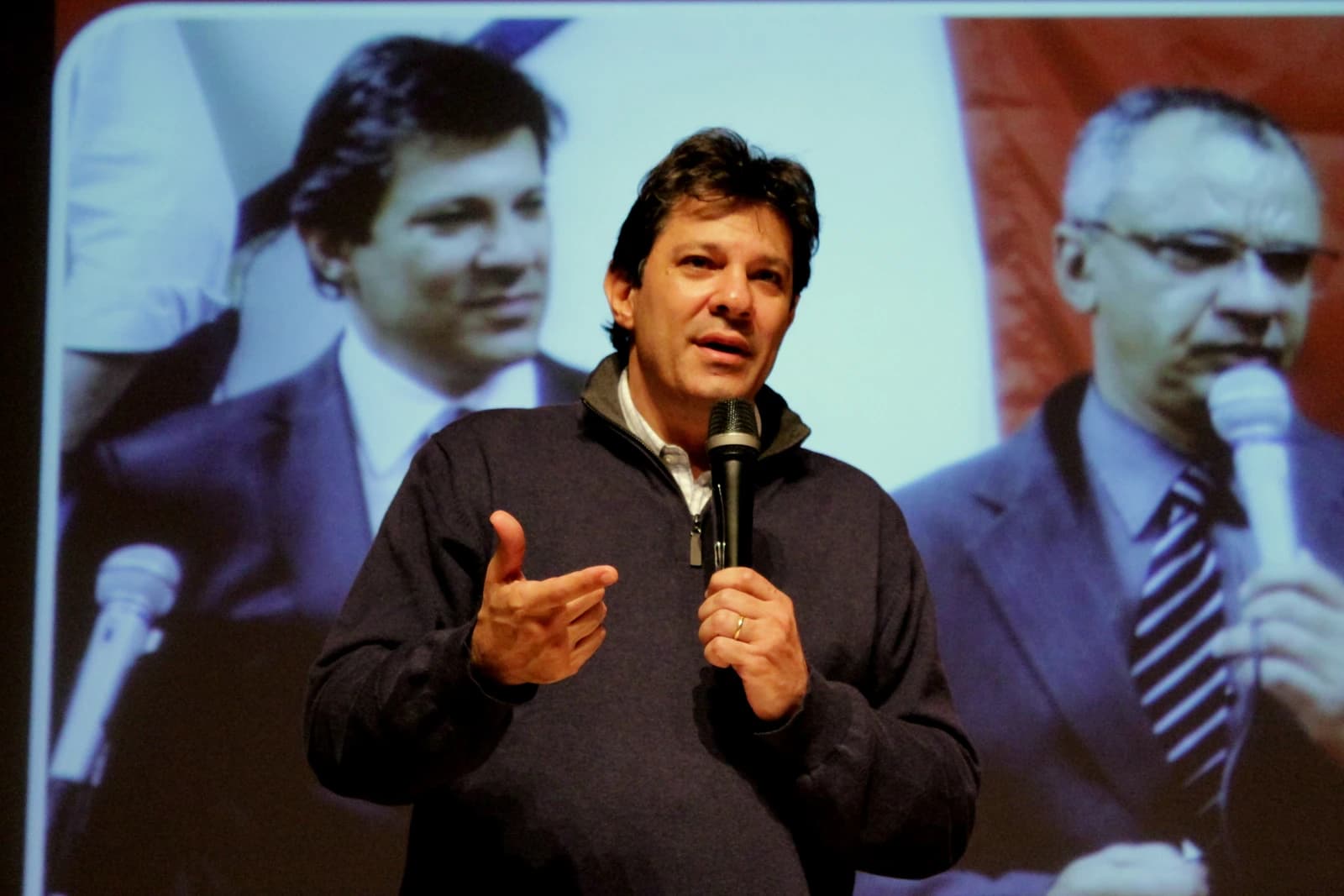
The message matters because it frames public credit and federal project pipelines as more than political branding: they are being positioned as the financing backbone for roads, transport, sanitation and other works that can keep Brazil’s largest state moving even if the private sector stays cautious. For investors, that makes the direction of fiscal execution and development-bank lending a key input into outlooks for contractors, industrial suppliers, banks and even the broader Brazilian equity market.
The backdrop is a market that has become more selective on Brazil. EWZ, the iShares MSCI Brazil ETF, was trading at $34.15 on Aug. 18, below its 200-day moving average of $35.21 and only marginally above the lower Bollinger Band at $33.48, after a selloff that pushed the 14-day RSI down to 31.3. That suggests investors are still demanding proof that policy support can translate into earnings and cash flow rather than just headlines about public works.
Haddad’s emphasis on the PAC, the federal infrastructure program, and BNDES, the state development bank, points to the government’s preferred toolset for defending growth: cheaper long-term financing, targeted capital spending and public-sector coordination in areas where private lenders are less willing to stretch maturities. In practical terms, that can lower project costs, improve execution rates and help bridge the financing gap for municipal and state works in São Paulo, where demand for transport links, housing and urban infrastructure remains large.
That approach also has macroeconomic consequences. If BNDES and the PAC accelerate project awards and disbursements, they can support construction employment, steel, cement and engineering demand, while lifting state-level investment without immediately relying on the policy rate. But the trade-off is familiar: the more Brazil leans on public balance sheets and subsidized credit, the more investors will scrutinize fiscal discipline, loan quality and whether state capital is crowding out private capital over time.
The market implication is two-sided. Bullish investors will see a clearer revenue path for infrastructure contractors, equipment suppliers and lenders tied to long-duration projects, especially if São Paulo becomes a showcase for execution. Skeptics will focus on whether the pipeline is large enough, whether approvals move fast enough and whether the return on these projects justifies the balance-sheet support behind them.
For now, the narrative is straightforward: Haddad is signaling that Brazil wants to use the state’s financing arm to turn infrastructure into a growth anchor, not just a policy promise. The next test for investors will be execution — how quickly projects move from announcement to contract, and whether that flow is strong enough to revive confidence in Brazilian cyclicals and the broader local market.
| Entity | Gains | Losses |
|---|---|---|
| PAC and BNDES | ▲Bigger role in financing works | ▼Less room for private capital |
| São Paulo construction sector | ▲More projects and demand | ▼Execution delays |
| Brazilian government | ▲Supports growth narrative | ▼Faces fiscal scrutiny |
| Brazil ETF EWZ bulls | ▲Policy support for cyclicals | ▼Weak market confidence |