A forensic artificial-intelligence specialist says the audio used to attribute a racist remark to Brazilian Senate candidate Bruno Scheid was generated by AI, raising the stakes in a politically charged disinformation case that could move from social media dispute into electoral and legal action.
Brazil Senate Candidate Audio Allegedly AI-Generated
The claim matters because synthetic audio has become cheap, fast and increasingly convincing, making it a direct threat to elections, public reputations and the credibility of digital evidence. For investors, the case underscores a broader commercial risk for companies building voice-cloning, generative AI and content-authentication tools: every high-profile fake deepens pressure on platforms and regulators to verify what users hear and share.
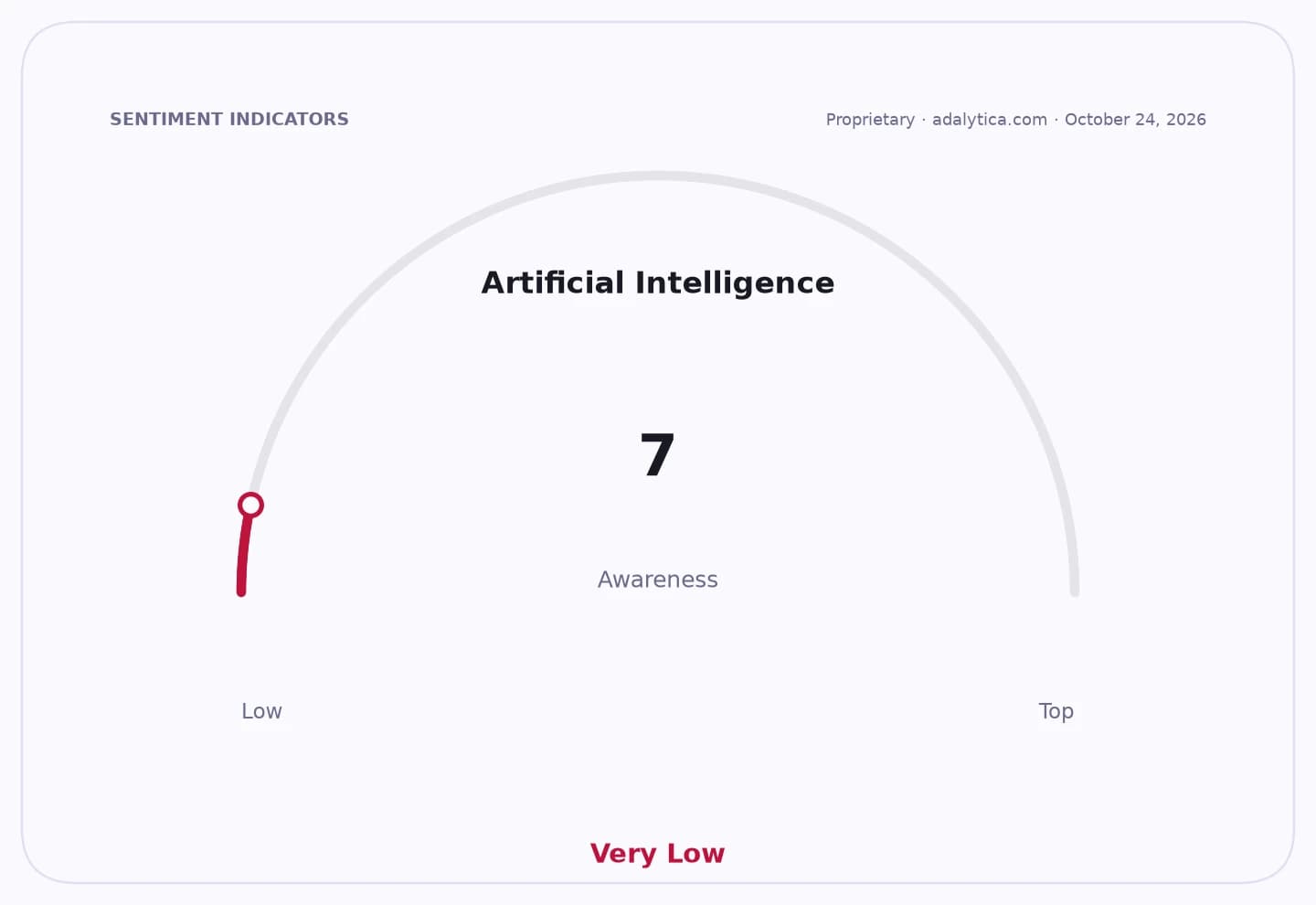
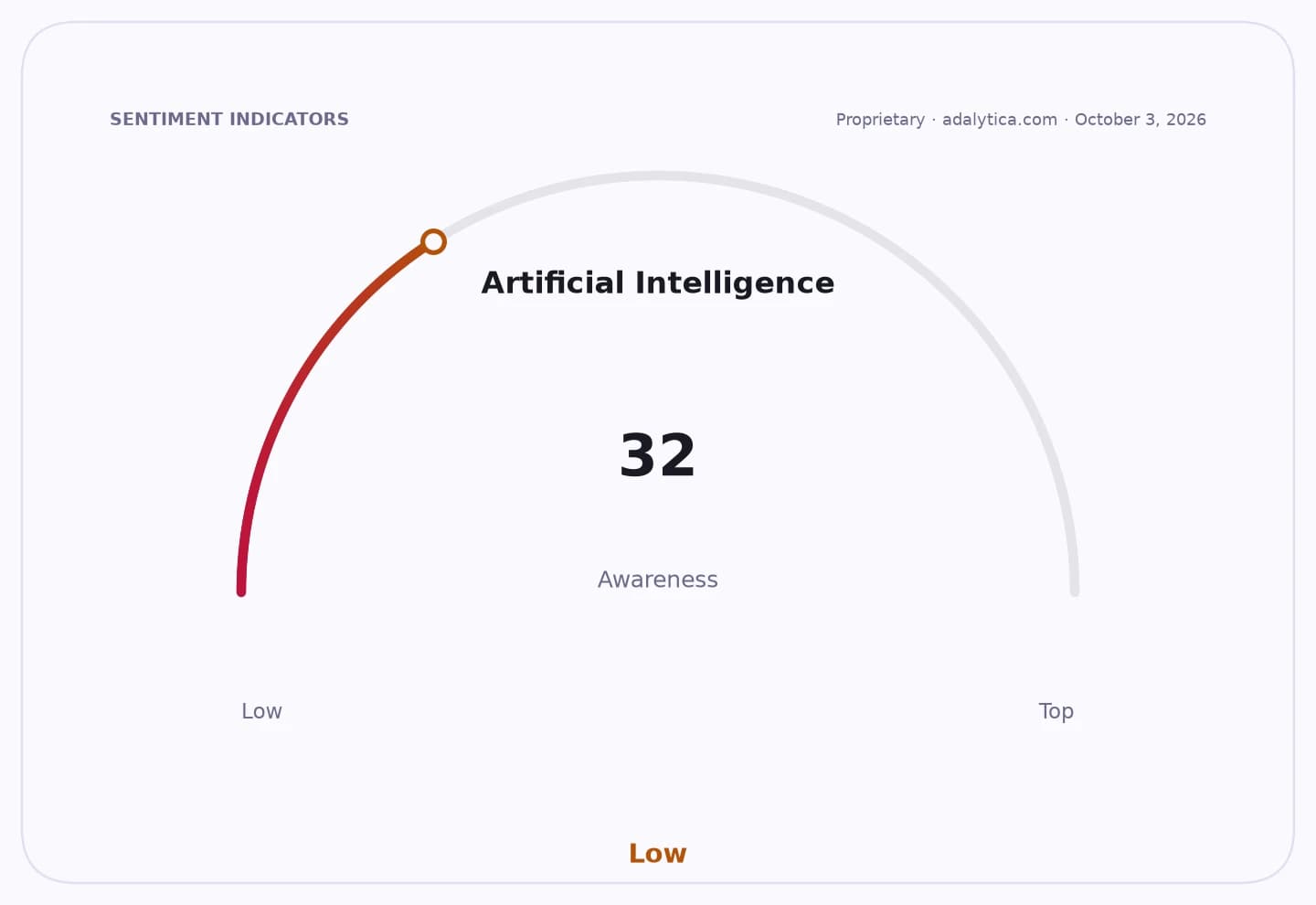
Sentiment IndicatorsⓘProprietary · adalytica.com · October 3, 2026
This is a snapshot — live sentiment, awareness and momentum for 130+ markets update continuously in the dashboard.Open AlphaPulse
Willard Silva Ribeiro, a professor and researcher in applied AI, said he analyzed the clip and concluded it was AI-generated. He said one check pointed to ElevenLabs with 98% probability and a second verification, which he described as the platform’s digital watermark, indicated the audio was created on Sept. 27 at 11:45 p.m.
Scheid denied the statement attributed to him and said the recording was fabricated to falsely accuse him of a crime. He also said the attack harmed Senate candidate Sílvia Cristina, who was referenced in the audio, and pledged to pursue those responsible through Brazil’s electoral courts and legal system.
The episode fits a broader pattern of AI-driven political manipulation as generative tools make it easier to produce believable voice clips and videos that can sway voters before a fact-check arrives. Ribeiro urged the analysis be shared as a warning that fake audio and video can both damage and benefit candidates.
For AI companies, the story lands at a sensitive moment. Voice-generation providers face rising scrutiny over misuse, while investors are watching whether authentication, watermarking and forensic verification can become meaningful products rather than compliance add-ons.
The next catalyst is likely to be the response from Brazil’s electoral authorities and any technical confirmation or rebuttal over the audio’s origin, which could influence how quickly similar AI-fraud claims spread in future campaigns.
| Entity | Gains | Losses |
|---|---|---|
| Bruno Scheid | ▲Denial backed by forensic claim | ▼Reputation damage from fake audio |
| ElevenLabs | ▲Attention on watermarking tools | ▼Scrutiny over voice-cloning misuse |
| Election authorities | ▲Stronger case for oversight | ▼Pressure to police deepfakes |
| AI fraud detectors | ▲Greater demand for verification | ▼Rising urgency after each scandal |