Brazil is set to harvest more soybeans and corn in 2026/27, according to Datagro, a shift that would reinforce the country’s role as the world’s dominant exporter of both crops and potentially keep a lid on global feed and oilseed prices if weather cooperates.
Brazil soybeans, corn output forecast higher for 2026/27
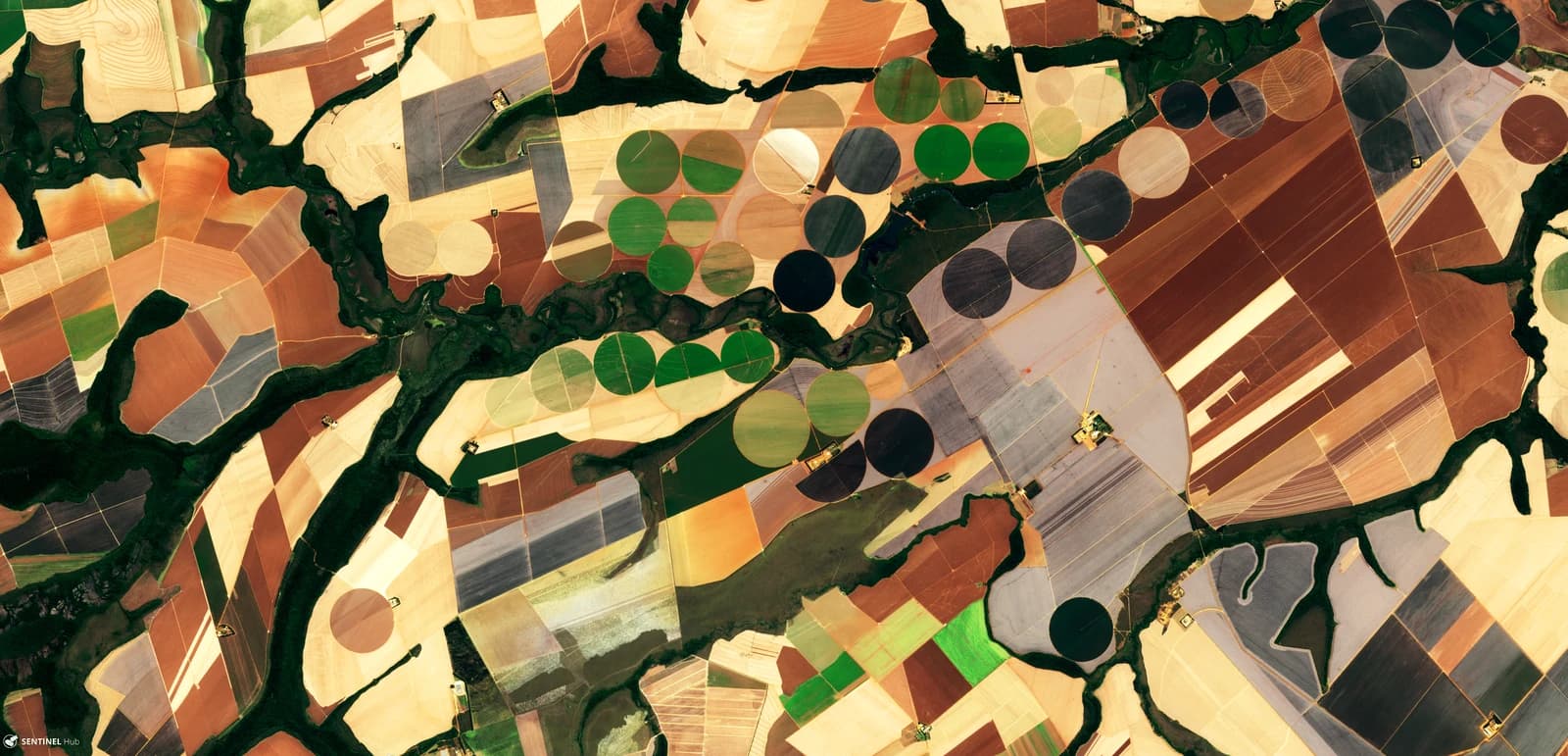
The forecast matters because Brazil has become the swing supplier for China, Europe and much of Asia, and any increase in output from the Southern Hemisphere can quickly reshape trade flows, crushing margins and import bills. Bigger Brazilian crops typically mean more exportable surplus, heavier competition for US grain and oilseed sales, and lower pricing power for sellers across the agricultural complex.
The outlook comes against a mixed backdrop for commodities. Chicago-traded soybean and corn funds have both recovered from earlier weakness, with the SOYB and CORN ETFs holding above their 50-day moving averages and corn’s 200-day moving average, even as momentum indicators have cooled from overbought levels. That suggests the market has started to price in a more comfortable supply picture without fully discounting weather or logistics risk.
For processors and merchandisers, a larger Brazilian crop is generally a positive if it boosts volumes, but it can also squeeze margins if it drives down outright grain prices faster than crushing spreads or origination gains can adjust. Major agribusinesses such as ADM and Bunge are exposed to that dynamic through oilseed handling, exports and merchandising, while fertilizer suppliers could benefit if higher yields encourage continued input intensity.
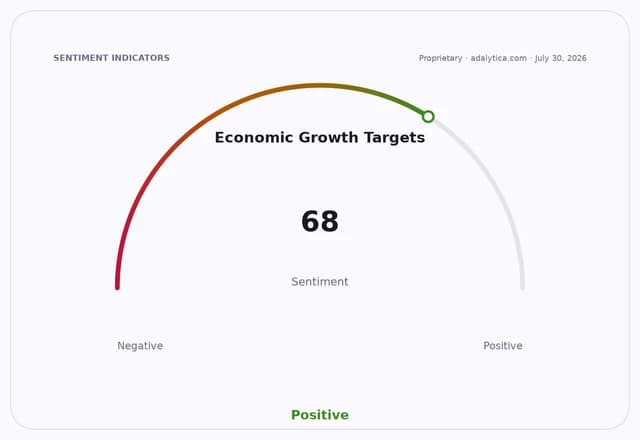
The broader macro setup also supports the narrative. Oil prices are still far below the spikes seen in 2022 and remain volatile enough to influence freight, fertilizer and farming economics, while the dollar’s weakness, reflected in Adalytica’s trade-signal snapshot, can improve the competitiveness of dollar-priced US and Brazilian agricultural exports. China’s growth outlook, meanwhile, remains a key demand variable for soymeal and corn, even if sentiment is still only neutral.
For investors, the key question is not just whether Brazil grows more, but whether the increase is large enough to widen global stocks and soften prices into late 2026. If Datagro is right, the beneficiaries are likely to be livestock producers, food buyers and importers; the losers are grain holders, export rivals and producers relying on a tighter supply balance to sustain prices.
| Entity | Gains | Losses |
|---|---|---|
| Brazilian exporters | ▲More exportable surplus | ▼Lower pricing power |
| Global buyers | ▲Cheaper feed and oilseed supply | ▼— |
| US grain rivals | ▲— | ▼More competition in export markets |
| Agribusiness merchants | ▲Higher volumes handled | ▼Squeezed margins if prices fall |




