Brazil’s soybean sector is getting a lift from favorable weather and relatively firm prices at a time when oil-market volatility and trade uncertainty are keeping buyers focused on dependable supply.
Brazil soybean outlook lifts SOYB, LND at August 5 levels
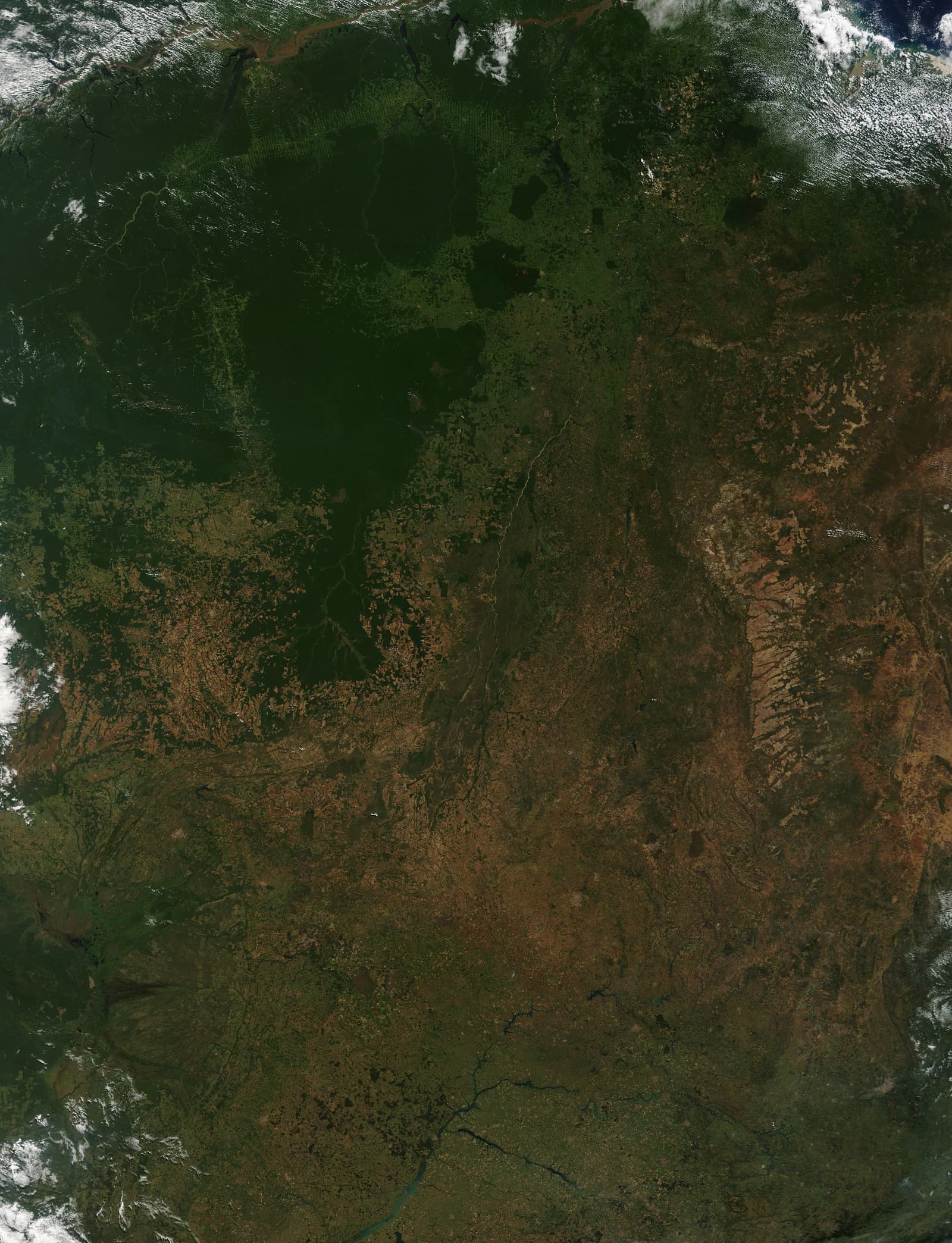
That matters because Brazil is already the world’s biggest soybean exporter and, according to USDA estimates cited in company filings, is set to produce about 175 million metric tons in 2025-26, far ahead of the U.S. at roughly 117 million tons. Better planting conditions in Brazil can reinforce that lead, while also supporting exports, farm income and the wider agricultural trade balance.
Sentiment IndicatorsⓘProprietary · adalytica.com · August 6, 2026
This is a snapshot — live sentiment, awareness and momentum for 130+ markets update continuously in the dashboard.Open AlphaPulse
The move comes as global oil prices remain choppy, with Brent and WTI swings tied to geopolitical tensions and supply fears. For Brazilian growers, stronger soybean economics can help offset higher financing costs and uneven margins elsewhere in agriculture.
U.S.-listed soybean exposure has reflected the shift. The Teucrium Soybean Fund, SOYB, has held above its 50-day moving average in recent sessions, though the relative strength index has cooled from overbought levels in November to 44.6 on Aug. 5, suggesting the rally has lost some momentum. BrasilAgro, ticker LND, has also struggled, with the shares slipping to $3.61 as the stock trades below both its 50-day and 200-day moving averages.
For investors, the key question is whether Brazil’s favorable climate can translate into another large harvest without enough price pressure to erode farm margins. That would support exporters, agribusiness suppliers and freight volumes, but could cap upside for soybean prices and pressure producers elsewhere. The next catalyst is the pace of planting and any shift in weather across Brazil’s major growing regions.
| Entity | Gains | Losses |
|---|---|---|
| Brazilian soybean farmers | ▲Higher yields, stronger revenue | ▼Margin risk if prices soften |
| Exporters and shippers | ▲Bigger shipment volumes | ▼Less upside if crop glut builds |
| SOYB holders | ▲Better crop outlook support | ▼Pullback if prices drift lower |
| Non-Brazilian growers | ▲— | ▼More competition from Brazil |




