Alexandre de Moraes has rejected Mauro Cid’s bid to travel to Abu Dhabi for a military medicine congress, underscoring that Brazil’s top court is still enforcing tight post-conviction restrictions on one of the central figures in the Jair Bolsonaro coup probe.
Brazil Supreme Court Rejects Mauro Cid Travel Request
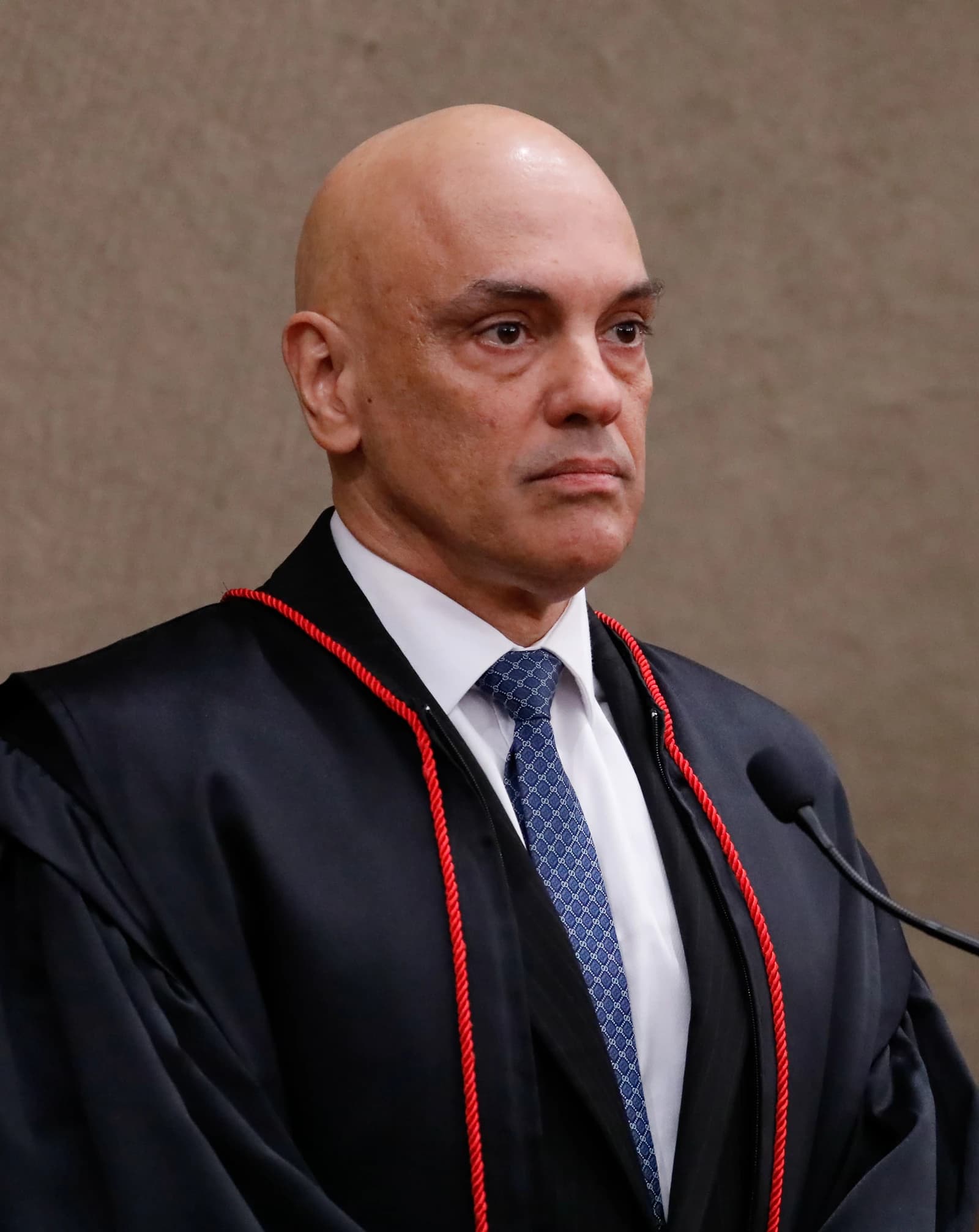
The decision matters because it shows the Supreme Federal Court is not treating Cid’s two-year open-regime sentence as a soft landing. Even after his cooperation with federal police helped build the case against Bolsonaro and allies, Cid remains barred from leaving Brazil, with his passports canceled and his movements closely controlled. For investors watching Brazil’s institutional risk premium, the message is that the court is still willing to impose and defend hard constraints in politically sensitive cases.

That has broader economic significance than a single denied trip. Brazil’s rule-of-law credibility, already tested by months of polarizing investigations, depends in part on whether institutions can enforce rulings without wavering under political pressure or elite exemptions. Moraes’ ruling reinforces that the judiciary intends to keep execution of sentences separate from professional convenience, a posture that may help contain speculation about selective treatment in high-profile cases.
For markets, the immediate effect is limited, but the institutional signal is not. Brazil assets tend to price not just growth and rates, but governance and legal predictability. A Supreme Court that consistently backs its own conditions on convicted defendants supports a narrative of institutional continuity, even as the underlying political saga remains unresolved. That matters for foreign capital, which often demands a discount when legal outcomes appear negotiable.
Mauro Cid’s role in the investigation gives the case unusual sensitivity. He was not a peripheral witness; he was Bolsonaro’s former aide-de-camp and a cooperating source whose testimony helped prosecutors map the alleged plot. His continued restrictions keep that chapter alive in the public arena and preserve pressure on other defendants as the broader case advances.
The practical takeaway is that Brazil’s judiciary is signaling no relaxation, even for a convicted cooperator with a legitimate-sounding overseas invitation. For investors, that means the political backdrop stays noisy, but the institutional response remains firm — a combination that can be uncomfortable in the short term and constructive over the long term if it keeps constitutional boundaries intact.
| Entity | Gains | Losses |
|---|---|---|
| Brazil Supreme Court | ▲Enforcement credibility | ▼Criticism from Bolsonaro camp |
| Alexandre de Moraes | ▲Judicial authority | ▼None immediate |
| Mauro Cid | ▲None | ▼Travel freedom |
| Brazil institutional investors | ▲Rule-of-law signal | ▼Short-term political noise |