Brent’s push above $100 a barrel is the macro catalyst that matters most right now: it threatens to reheat inflation just as markets were beginning to price in a softer policy backdrop, and that is why growth stocks such as Tesla and Alphabet are under pressure. Energy has once again become the shock transmission mechanism for equities, bonds and central banks, and investors are being reminded that oil can still override the “lower-for-longer inflation” narrative in a single move.
Brent Above $100 Pressures Growth Stocks

The move in crude is economically important because it does not stop at the pump. Higher Brent prices feed directly into transport, manufacturing and consumer costs, and the timing is awkward for policymakers who were already trying to judge whether price pressures were truly easing. With the 10-year Treasury yield at 4.63%, bond markets are already signaling that inflation risk has not been fully put to bed. If oil stays elevated, that yield pressure can intensify, tightening financial conditions even without a formal rate hike.
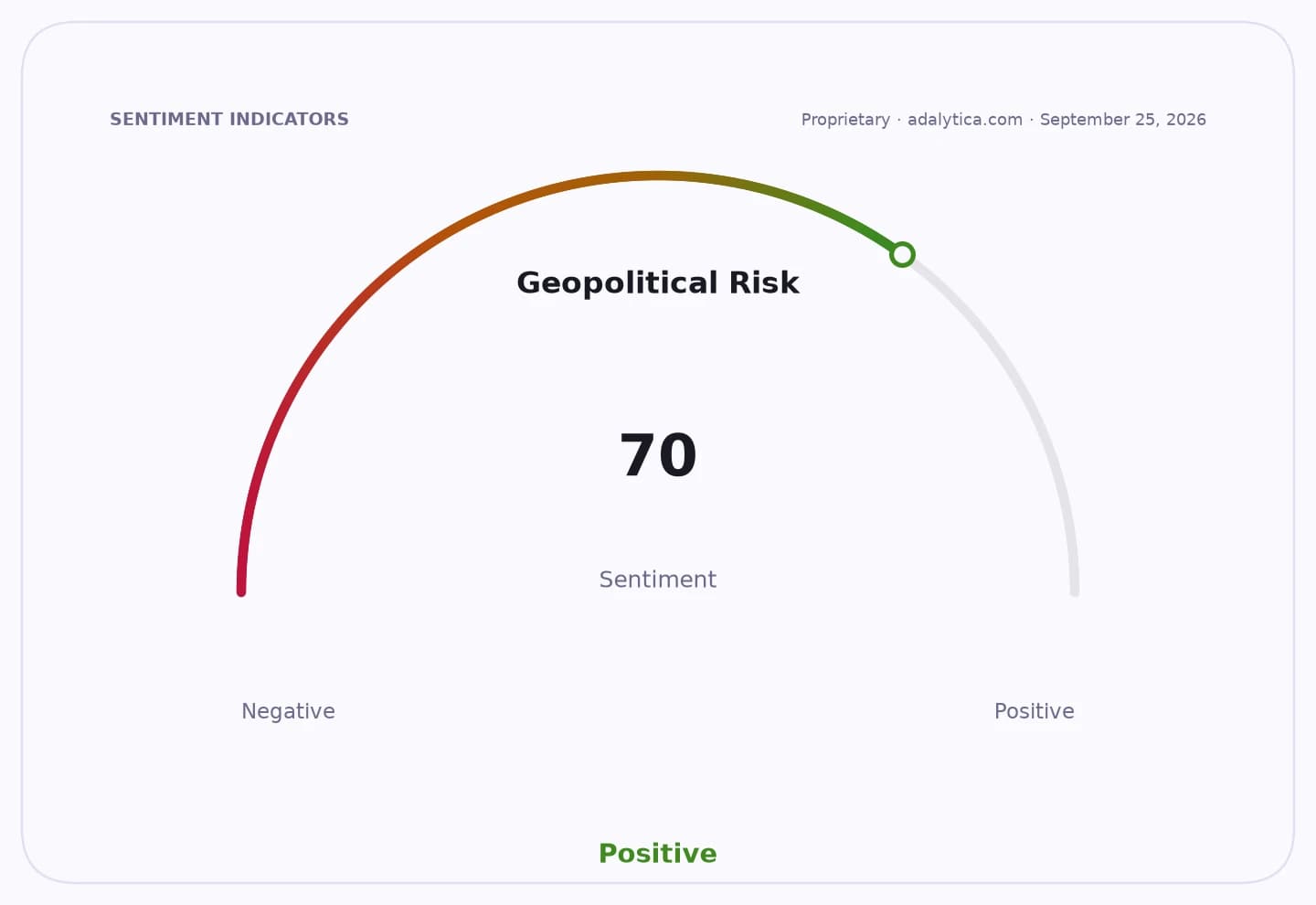
Sentiment IndicatorsⓘProprietary · adalytica.com · July 23, 2026
This is a snapshot — live sentiment, awareness and momentum for 130+ markets update continuously in the dashboard.Open AlphaPulse

The market is reacting exactly where it should: at the long-duration, valuation-sensitive end of the equity market. Tesla and Alphabet are both vulnerable when real yields rise and when investors start discounting slower consumer demand, margin pressure and a more cautious Fed path. Tesla is especially exposed because it sits at the intersection of discretionary spending, financing sensitivity and a capital-intensive growth story. Alphabet is less directly tied to energy, but it still trades like a premium-duration asset, and that makes it vulnerable when macro risk forces a rerating of the entire Nasdaq complex.
The price action in oil-backed vehicles shows how quickly traders are leaning into the theme. BNO and USO have ripped higher, with both sitting well above their 50-day averages and momentum readings flashing overbought territory by standard technical indicators. That kind of move tells you this is not a quiet hedging trade — it is a broad repricing of geopolitical risk and inflation expectations. The market is effectively saying that the supply shock premium is back.
This matters for investors because energy is regaining its role as the market’s cleanest hedge against geopolitical escalation. If the Persian Gulf conflict keeps crude pinned near or above triple digits, the beneficiaries are obvious: integrated producers, oil-service names and commodity-linked ETFs. The losers are just as clear: consumer discretionary, airlines, automakers, software multiples and any long-duration equity that depends on cheap capital and stable inflation.
I believe the market is still underestimating how quickly a sustained oil spike can change the equity leadership regime. When crude breaks higher, it is not just an energy trade — it is a liquidity, inflation and duration trade. That is why this is the moment to own the toll roads of the energy complex, not the consumers absorbing the bill. The best asymmetric setup remains the producers and infrastructure names that get paid as volatility rises, while megacap growth has to prove it can hold up in a higher-cost world.
For now, the message is straightforward: Brent above $100 is not just a headline for commodity traders, it is a direct threat to the bullish disinflation narrative that has supported stocks, and the first place that pain is showing up is in the market’s most expensive names. If crude stays hot, expect the rotation into energy and away from duration-sensitive growth to deepen.
| Entity | Gains | Losses |
|---|---|---|
| Oil producers | ▲Higher realized prices | ▼Demand destruction risk |
| Energy ETFs | ▲Momentum inflows | ▼Volatility if crude reverses |
| Tesla | ▲None | ▼Higher input and financing pressure |
| Alphabet / mega-cap growth | ▲Relative hedge appeal | ▼Duration multiple compression |