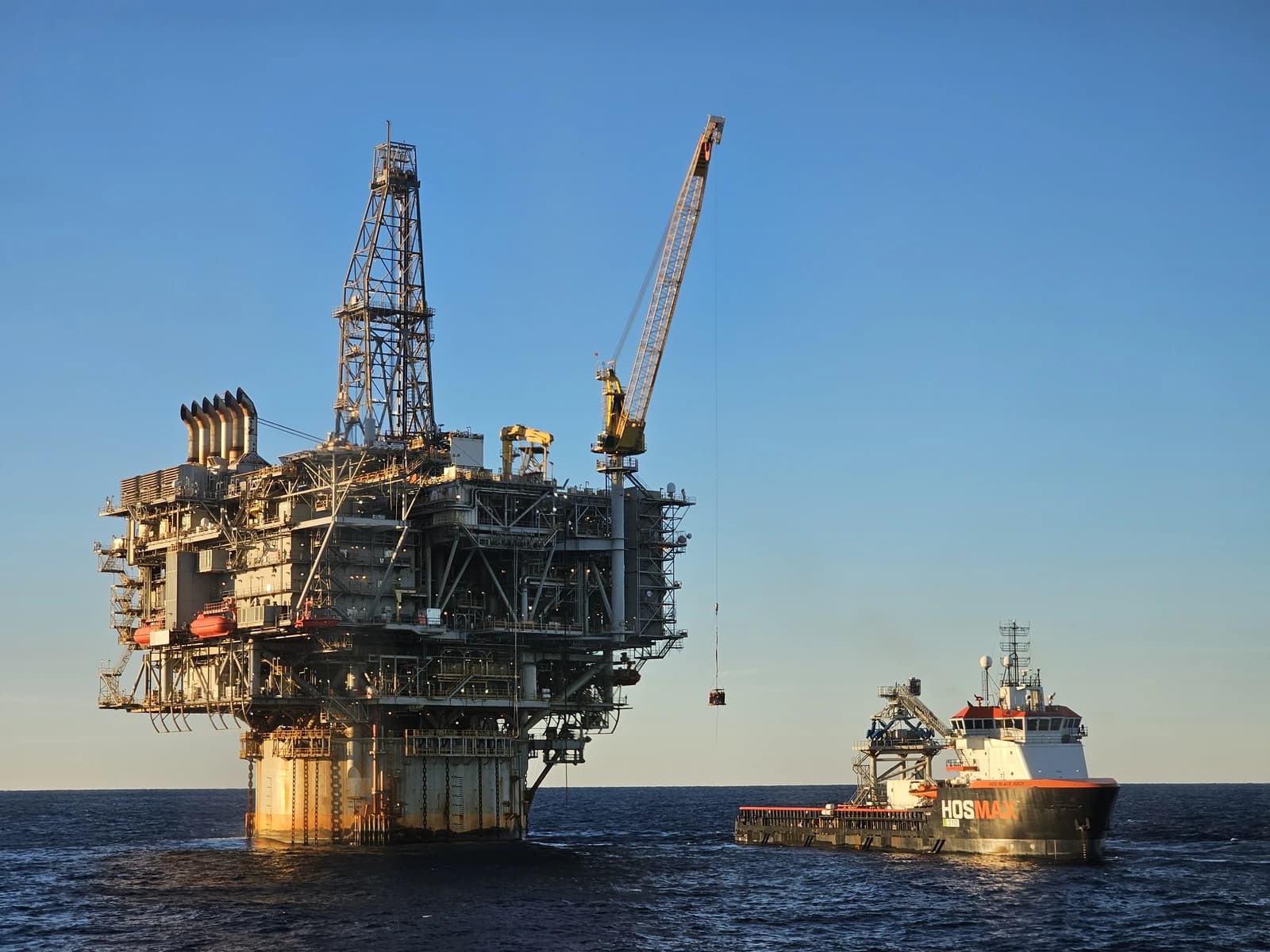
Brent crude climbed above $97 a barrel as escalating attacks in the Iran-US conflict raised the risk of a wider disruption to shipping through the Strait of Hormuz, the world’s most critical oil chokepoint.
Brent Crude Rises Above $97 on Strait Risk

That matters because this is no longer just a war premium baked into futures; it is a direct threat to physical supply, tanker flows and the pricing power of producers. Brent was last at $97.25, up $1.01 from Friday, while U.S. crude futures also firmed, with West Texas Intermediate around $92.43. The move comes after OPEC+ said it would keep October output targets unchanged, removing a key source of expected supply relief just as geopolitical risk is intensifying.
Sentiment IndicatorsⓘProprietary · adalytica.com · September 8, 2026
This is a snapshot — live sentiment, awareness and momentum for 130+ markets update continuously in the dashboard.Open AlphaPulse
For investors, the setup is classic asymmetric oil-market exposure: the downside is limited by already tight supply discipline, while the upside can reprice fast if shipping lanes are disrupted further. Goldman Sachs said Brent could reach $120 in an escalation scenario if attacks on vessels widen and intensify, underscoring how quickly the market can move from concern to scarcity pricing. That makes the energy complex one of the clearest beneficiaries, from upstream producers to integrated majors and select refiners with feedstock flexibility.
The market is already telling you where the pressure is building. Oil-related exchange-traded funds have been bid, with the XLE energy fund near recent highs and crude benchmarks holding well above their 50-day moving averages. Adalytica’s trade signals also show heightened awareness in oil, reflecting a market that is paying up for geopolitical protection even as broader equity sentiment has weakened.
The larger narrative is that investors are underestimating how fragile the post-summer oil balance has become. OPEC+ is defending quotas, the Strait of Hormuz remains vulnerable, and the conflict between Washington and Tehran is injecting a hard supply risk premium into a market that was already sensitive to inventory and demand shifts.
If the confrontation deepens, the next leg higher in crude could be sharp rather than gradual. For portfolios, that argues for staying overweight the energy trade while the market still prices this as a headline risk rather than a structural repricing.
| Entity | Gains | Losses |
|---|---|---|
| Oil producers | ▲Higher realized prices | ▼Volatility risk |
| Energy ETFs like XLE | ▲Inflows and momentum | ▼Broad market caution |
| Importers and refiners | ▲— | ▼Higher feedstock costs |
| Consumers and airlines | ▲— | ▼Fuel inflation pressure |