Brent crude’s move above $90 a barrel is not just another spike in energy prices; it is a market verdict that the US-Iran conflict is now threatening physical oil flows, with the Strait of Hormuz emerging as the main transmission channel for higher prices and broader inflation risk.
Brent Surge Signals Inflation and Geopolitical Risk
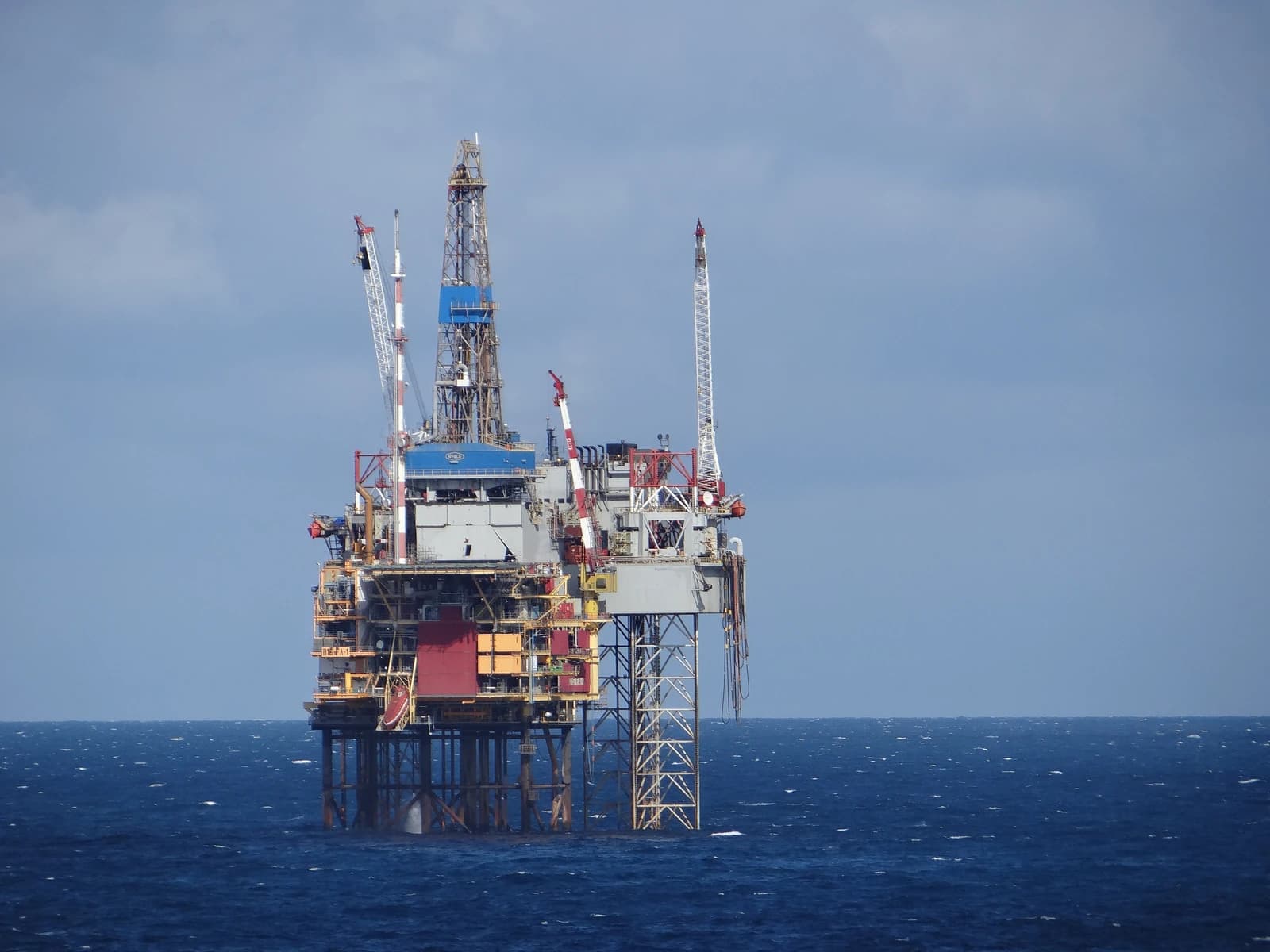
The jump matters because oil still sets the tone for global transport, manufacturing and consumer costs. A sustained move through the low-90s tightens the squeeze on importing economies just as central banks are trying to judge whether inflation is cooling enough to ease policy. It also raises the likelihood that headline inflation will reaccelerate in the near term, complicating rate-cut expectations and putting pressure on bond markets already trading with elevated yields.
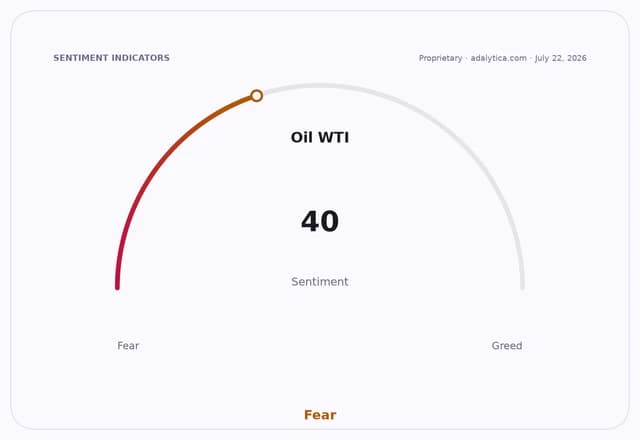
Sentiment IndicatorsⓘProprietary · adalytica.com · July 22, 2026
This is a snapshot — live sentiment, awareness and momentum for 130+ markets update continuously in the dashboard.Open AlphaPulse
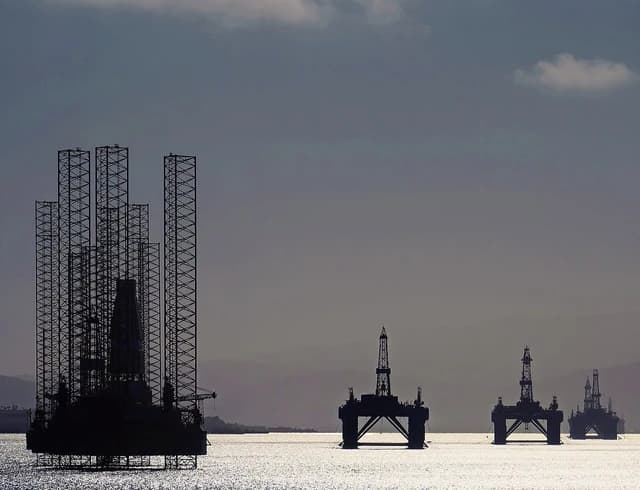
The latest move has been driven by renewed attacks that disrupted shipping through the Strait of Hormuz, one of the world’s most important chokepoints for crude exports. That comes on top of a fragile Middle East supply backdrop, with the Iraq-Turkey pipeline agreement having expired and efforts to restore the Iraqi-Syrian pipeline still unresolved. Together, those developments reinforce the market’s fear that spare capacity may not be enough to offset a meaningful interruption to Gulf shipments if the conflict widens.
For investors, the first-order effect is higher volatility across energy, inflation-linked assets and rate-sensitive equities. Oil producers and integrated majors stand to benefit from firmer benchmark prices, but the upside is not uniform: margins can be hit by higher freight, insurance and hedging costs, while downstream refiners and fuel-intensive industries face margin compression. Airline, chemicals and transportation stocks are among the most exposed if crude stays elevated long enough to feed through to product prices.
DCOILWTICO vs CPIAUCSL — macro contextadalytica.com
Explore this data interactively — full history, time series and cross-market comparisons.Open AlphaPulse
The move also fits a broader pattern in the data. Oil has already swung violently this year, and the recent price action shows how quickly markets can reprice when geopolitics overtakes fundamentals. USO, a proxy for oil exposure, has climbed back above its 50-day moving average and its RSI is in overbought territory, while Brent-linked BNO has also pushed toward recent highs. Those are conventional technical indicators, but they reinforce the message from the headlines: momentum is now aligned with a geopolitical shock.
Adalytica’s Oil WTI Trade Signals show awareness elevated at 75 with sentiment still neutral, suggesting traders are alert to further escalation but not yet fully positioned for a prolonged supply shock. By contrast, Adalytica’s Global Stability Sentiment has fallen to 4, or “Extreme Fear,” underscoring how quickly the market has shifted from complacency to crisis pricing. The US dollar signals are firmer too, a pattern that usually accompanies a jump in risk aversion and oil-driven inflation concerns.
The central question now is whether this is a temporary risk premium or the start of a more durable re-rating in crude. If the fighting remains contained, some of the premium could fade as ships continue moving and supply assumptions reset. But if attacks intensify or the Strait of Hormuz sees more sustained disruption, Brent could remain elevated well above the recent mid-80s range and force a broader rethink of inflation, growth and earnings assumptions.
For investors, the immediate takeaway is that oil is once again acting as a macro shock absorber and a macro shock amplifier at the same time. Energy equities may keep outperforming in the near term, but the bigger market story is the renewed threat to the inflation outlook and the growing risk that higher crude prices bleed into rates, credit and consumer demand.
| Entity | Gains | Losses |
|---|---|---|
| Oil producers | ▲Higher realized prices | ▼Volatility risk |
| Integrated majors | ▲Wider upstream cash flow | ▼Higher logistics costs |
| Importing economies | ▲None | ▼Inflation pressure |
| Airlines and transport firms | ▲None | ▼Fuel cost squeeze |




