Brisbane renters are facing the sharpest squeeze in years, with median weekly rents hitting a fresh record and adding about A$2,600 to annual housing costs over the past 12 months.
Brisbane rents hit record, lift annual costs
The rise matters because rent inflation is feeding directly into household budgets at a time when Australia is still trying to cool broader price pressures. Housing is the largest expense for many families, so even modest monthly increases quickly flow through to discretionary spending, savings rates and arrears risk. For landlords, it signals that supply remains tight enough to support pricing power; for policymakers, it is another sign that the housing shortage is becoming a structural economic constraint rather than a temporary post-pandemic distortion.
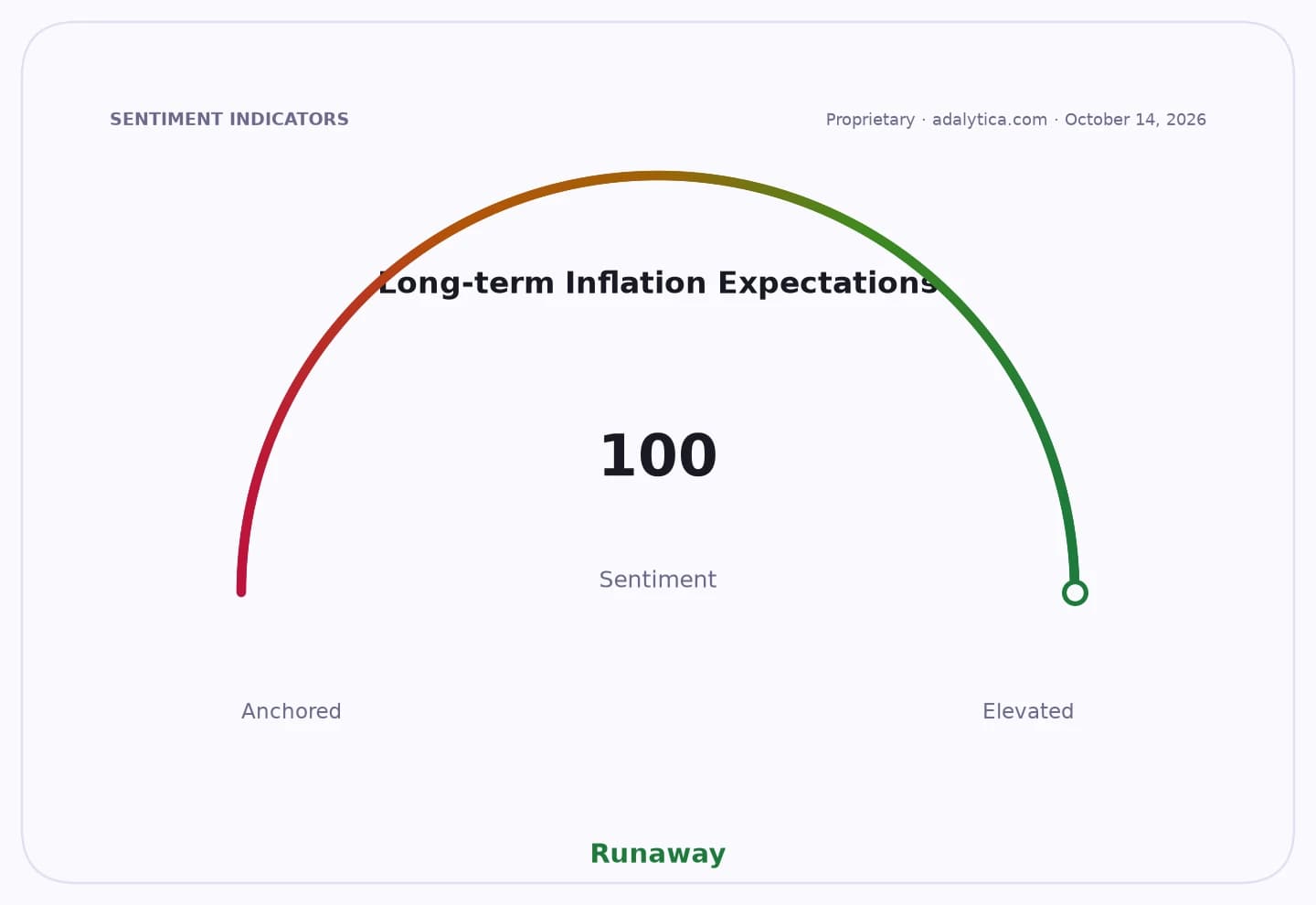
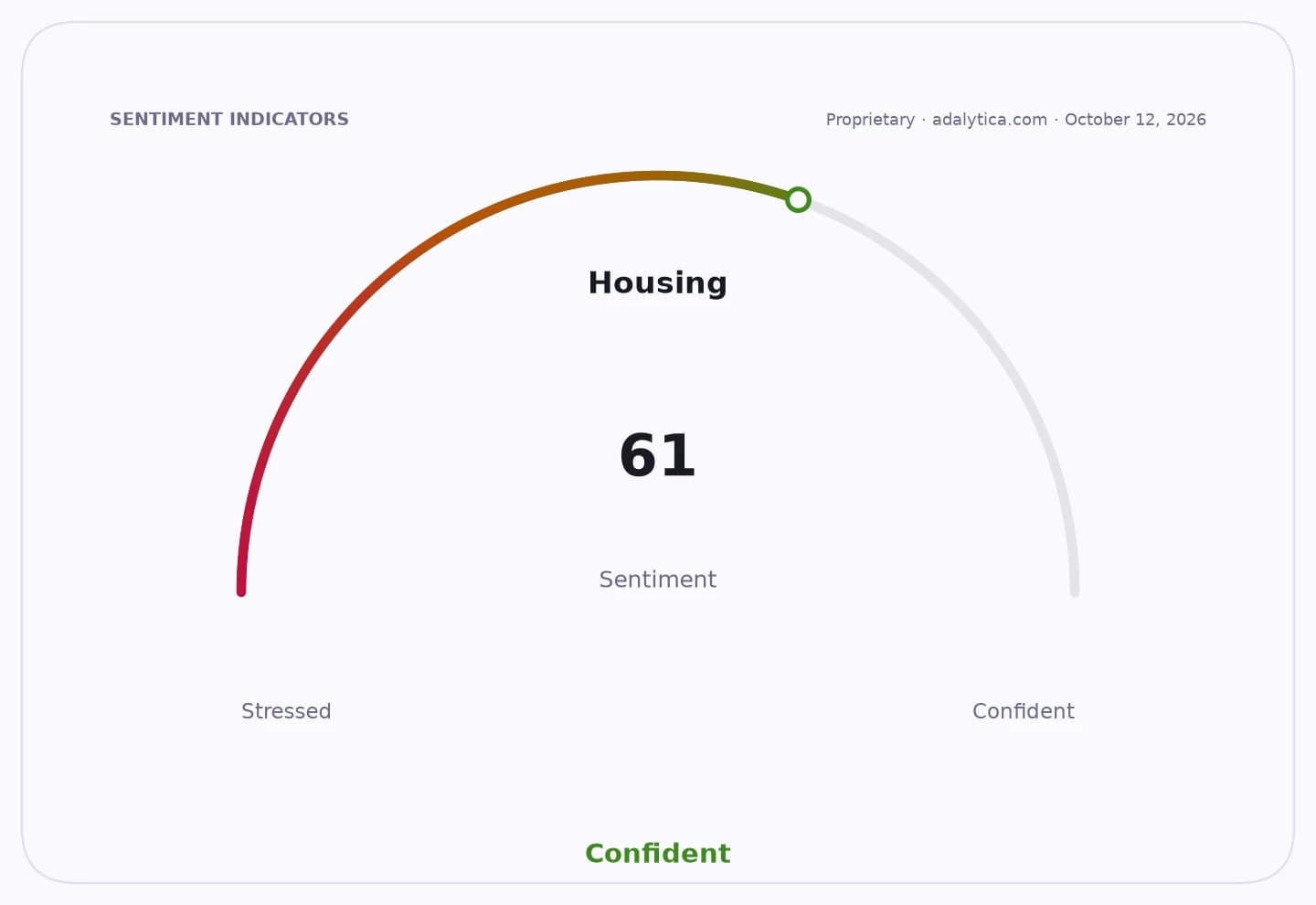
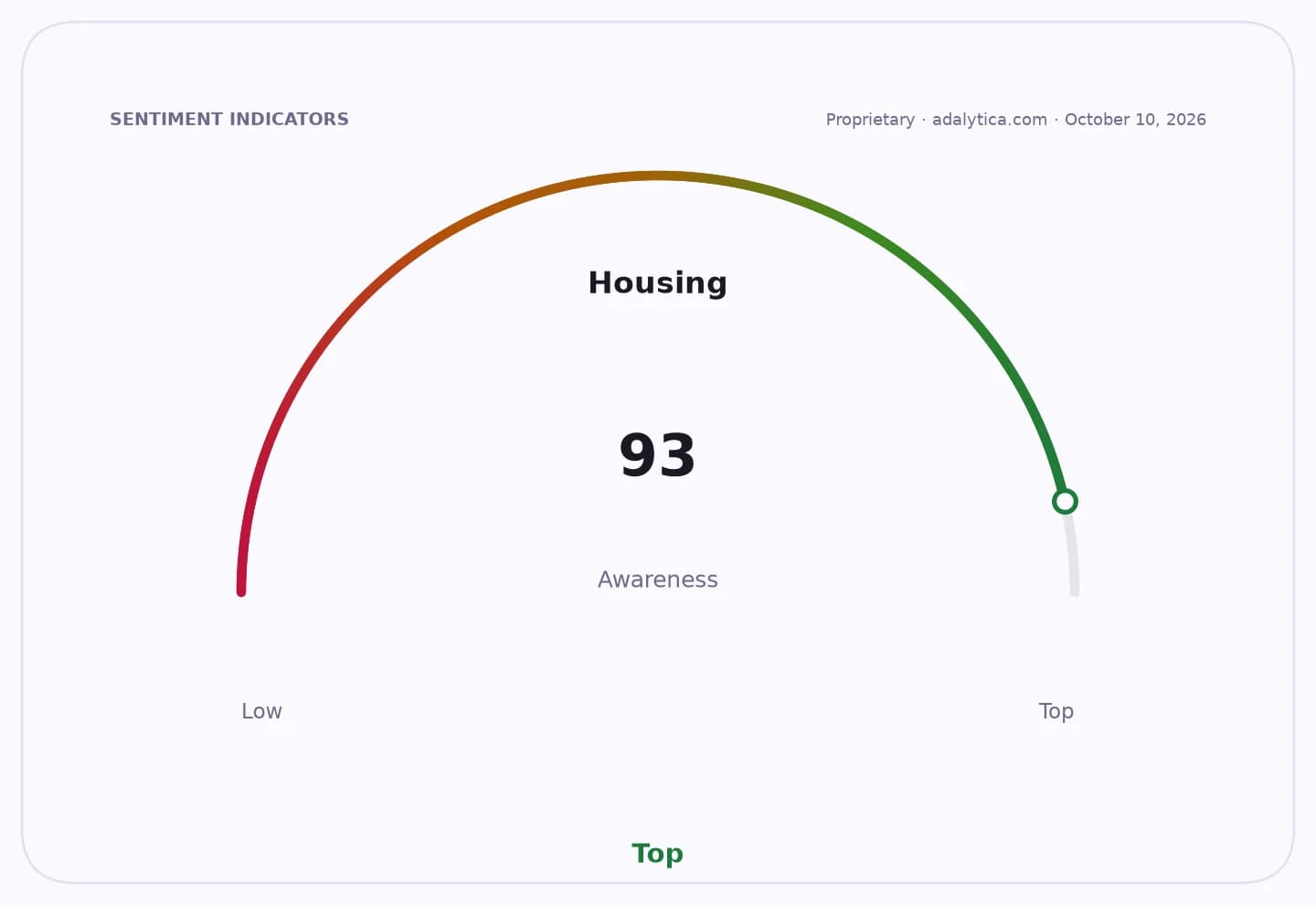
Sentiment IndicatorsⓘProprietary · adalytica.com · October 10, 2026
This is a snapshot — live sentiment, awareness and momentum for 130+ markets update continuously in the dashboard.Open AlphaPulse
The latest data point to a market that has moved beyond cyclical volatility and into a higher-cost regime. Brisbane’s rental market has been among the strongest in the country as population growth, limited vacancy and constrained new supply collide. That combination has left tenants absorbing the bulk of the adjustment, while wage gains have struggled to keep pace with housing costs.
The wider inflation backdrop reinforces why the move matters. Australian consumer prices remain well above pre-pandemic levels, and housing costs are one of the most stubborn components of the inflation basket. Persistent rent gains make it harder for the Reserve Bank to justify an early easing cycle because they keep core inflation sticky even when goods prices soften. That also raises the odds that mortgage holders, renters and first-home buyers remain under pressure simultaneously.
From an investor perspective, the reading is supportive for residential landlords with exposure to the Brisbane and broader southeast Queensland market, including listed rental property owners and housing developers positioned to benefit from chronically undersupplied accommodation. American Homes 4 Rent, while a US-based landlord, has its own gauge of rental-market strength reflected in conventional technical indicators: its share price has been trading below the 50-day moving average and near the lower end of its recent range, suggesting investors are balancing rent-growth resilience against interest-rate and valuation concerns.
The bull case for landlords is straightforward: scarcity keeps occupancy high and allows rent increases to outpace inflation, sustaining revenue growth. The bear case is that affordability is now stretching tenants to the limit, which can eventually cap further increases, lift turnover and intensify political pressure for intervention. If wages do not catch up and new supply does not improve, the rental crisis risks becoming a drag on consumption and housing mobility, not just a cost-of-living issue.
For now, the message from Brisbane is clear: tight supply is still setting the price, and that makes rents one of the most important variables to watch for both inflation and housing-market risk over the next year.
| Entity | Gains | Losses |
|---|---|---|
| Brisbane landlords | ▲Higher rental income | ▼Tenant pushback |
| Renters | ▲None | ▼Higher living costs |
| Policymakers | ▲Pressure to act | ▼Affordability backlash |
| Housing developers | ▲Stronger demand for supply | ▼Execution and cost risks |