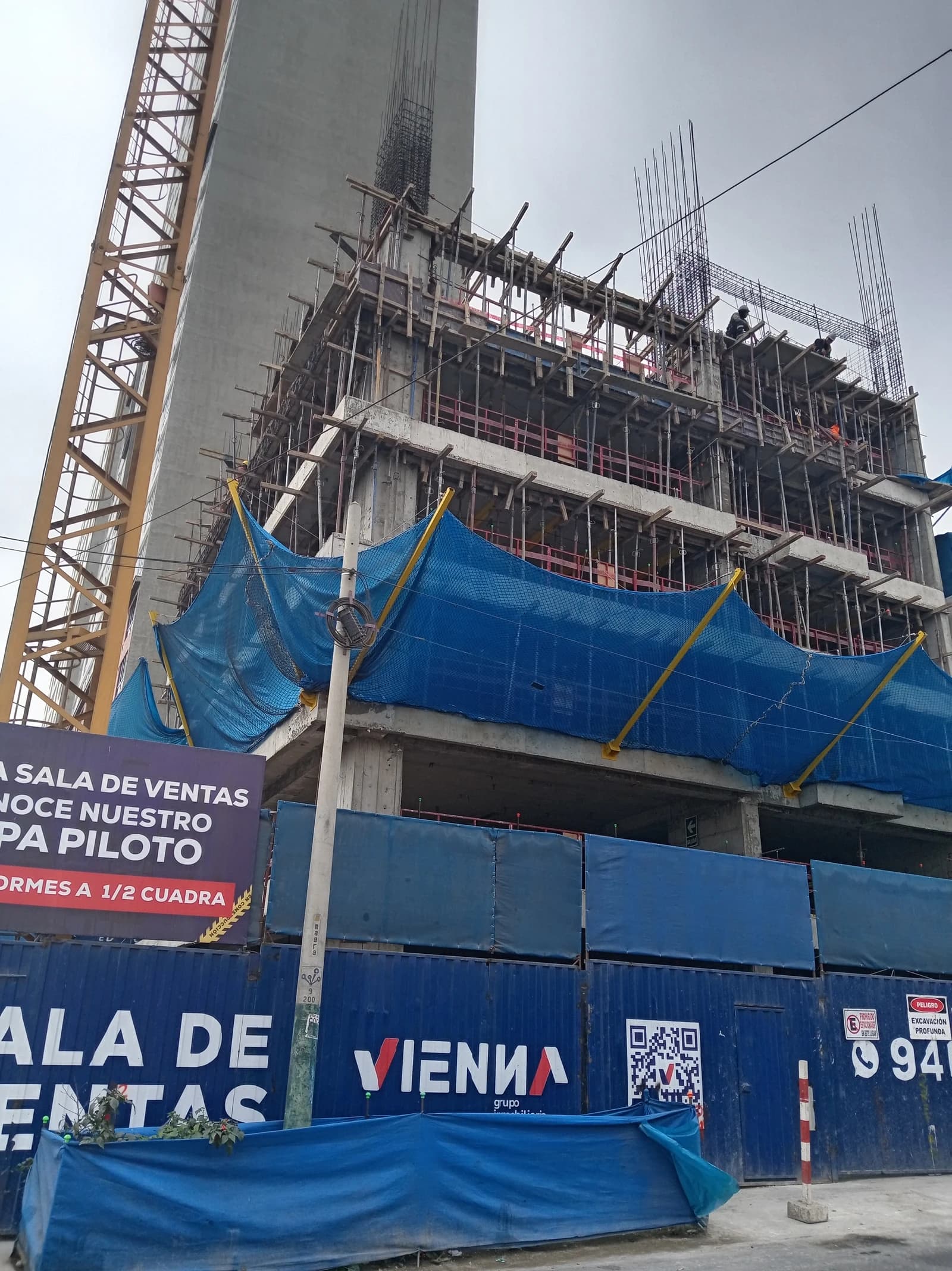
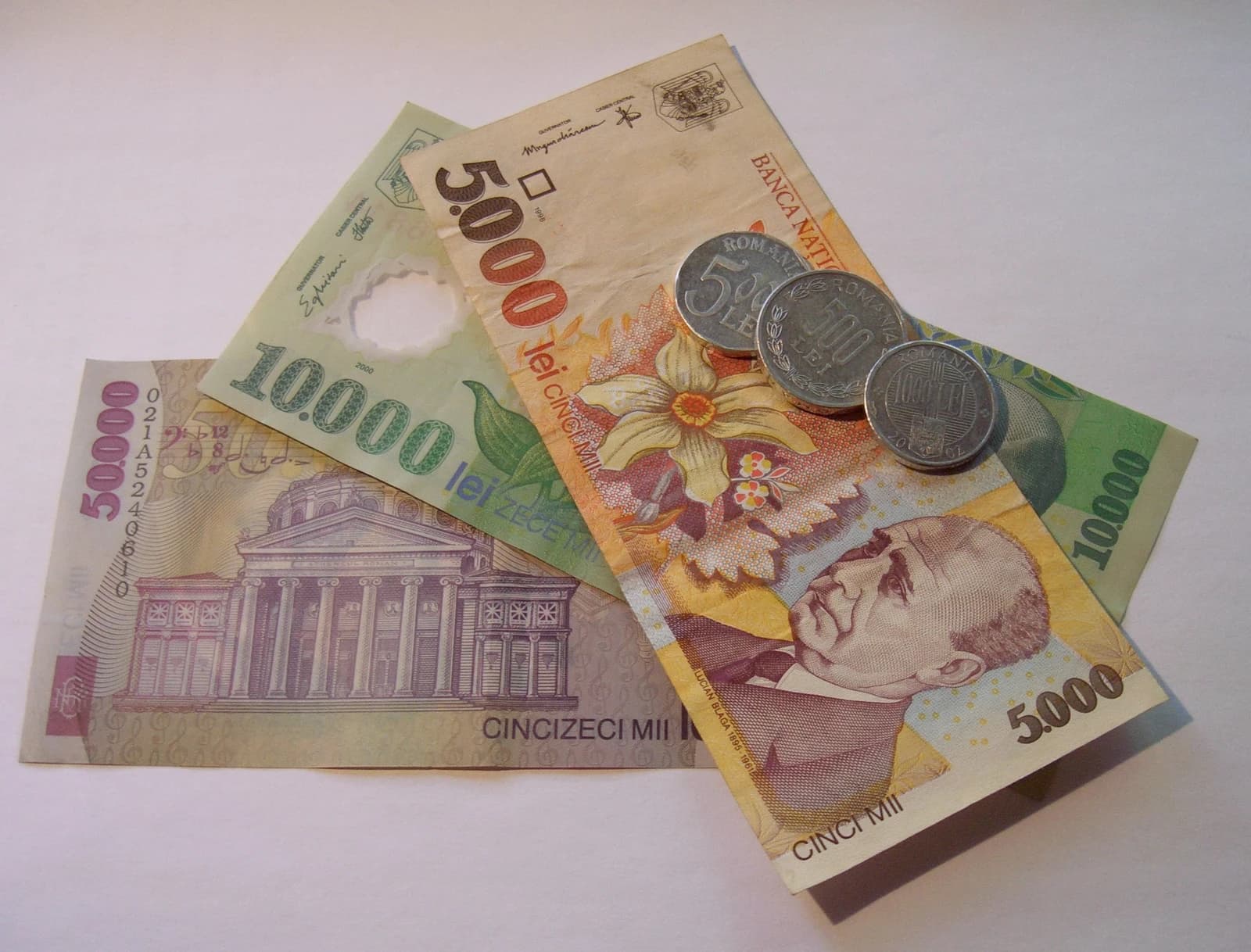
Bucharest’s housing market is taking longer to clear, with the average time to sell a home rising to about 50 days from roughly 40 days as buyers turn more cautious even while demand remains solid.
Bucharest housing sales take longer as buyers turn cautious
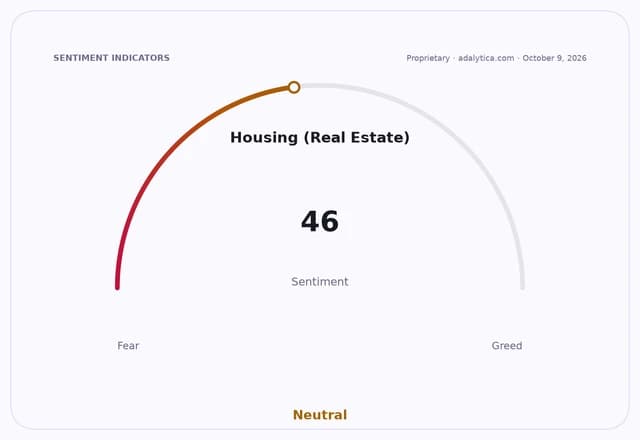
That slowdown matters because it points to a market that is still supported by income growth, but no longer able to absorb price increases as easily as before. Imobiliare.ro CEO Dan Puică said demand for homes in Bucharest remains strong, but financing costs, inflation and geopolitical uncertainty are stretching the sales cycle and making buyers more selective.
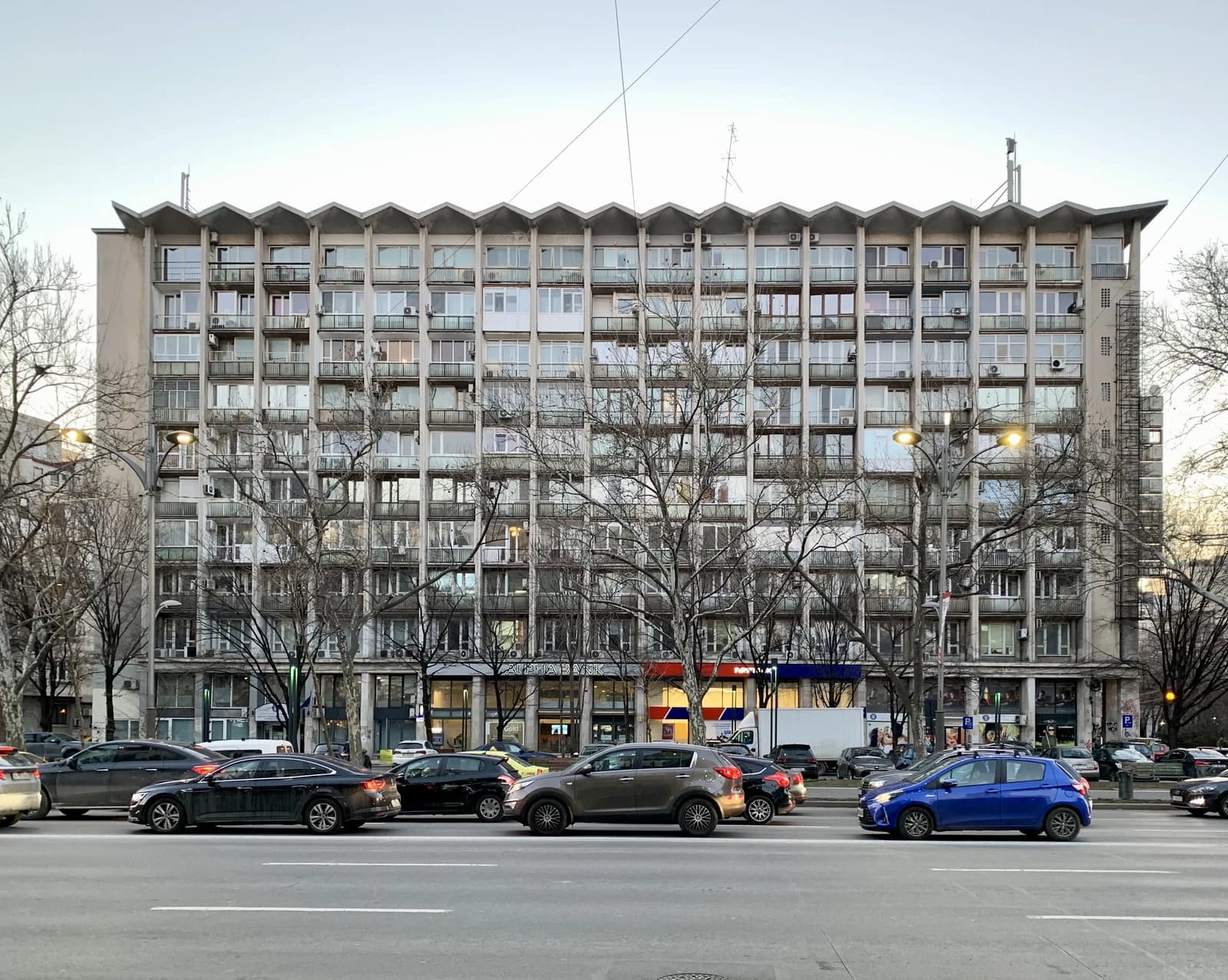
The shift comes as Romanian wages and home prices have both recovered sharply, narrowing the gap with Western Europe, but without a matching improvement in housing quality and urban amenities. Puică said the mismatch is increasingly visible in Bucharest, where many buyers can technically afford to purchase, but are less willing to pay materially more for apartments and neighborhoods that do not yet offer the same living standards seen in other European capitals.
For investors, that combination is important. It suggests the market may be moving away from the rapid price gains of the recent cycle and toward a phase where affordability, build quality and infrastructure matter more than simple scarcity. Developers trying to push prices higher may need to justify them with better projects, better locations or stronger amenities, while sellers face longer marketing times and more negotiation.
The message is also broader than Bucharest. Across Romania’s major cities, tighter credit conditions and still-elevated inflation are slowing transactions even as underlying demand holds up. Puică said the market should eventually return to shorter selling cycles, but only if macro conditions stabilize and the supply of better-quality housing catches up with what buyers now expect.
| Entity | Gains | Losses |
|---|---|---|
| Homebuyers | ▲More leverage in negotiations | ▼Slower choice and financing pressure |
| Sellers | ▲Support from still-strong demand | ▼Longer time on market |
| Developers | ▲Incentive to upgrade projects | ▼Harder to push higher prices |
| Bucharest housing market | ▲Potential for healthier pricing discipline | ▼Slower transaction velocity |