BYD’s rapid advance in Europe is turning EV subsidies into an industrial policy tool that is reshaping the global auto market, even as the largest EV market shows signs of cooling and Tesla’s shares weaken sharply.
BYD Europe gains as Tesla falls to $328.58

The most important story here is not simply that governments are subsidizing electric cars. It is that subsidies are accelerating a transfer of market share toward the most cost-competitive manufacturers, and BYD is emerging as one of the clearest beneficiaries. In Germany and other European markets, Chinese EV makers have used incentives to gain traction quickly, while established automakers and premium EV names struggle to defend pricing, margin and volume.
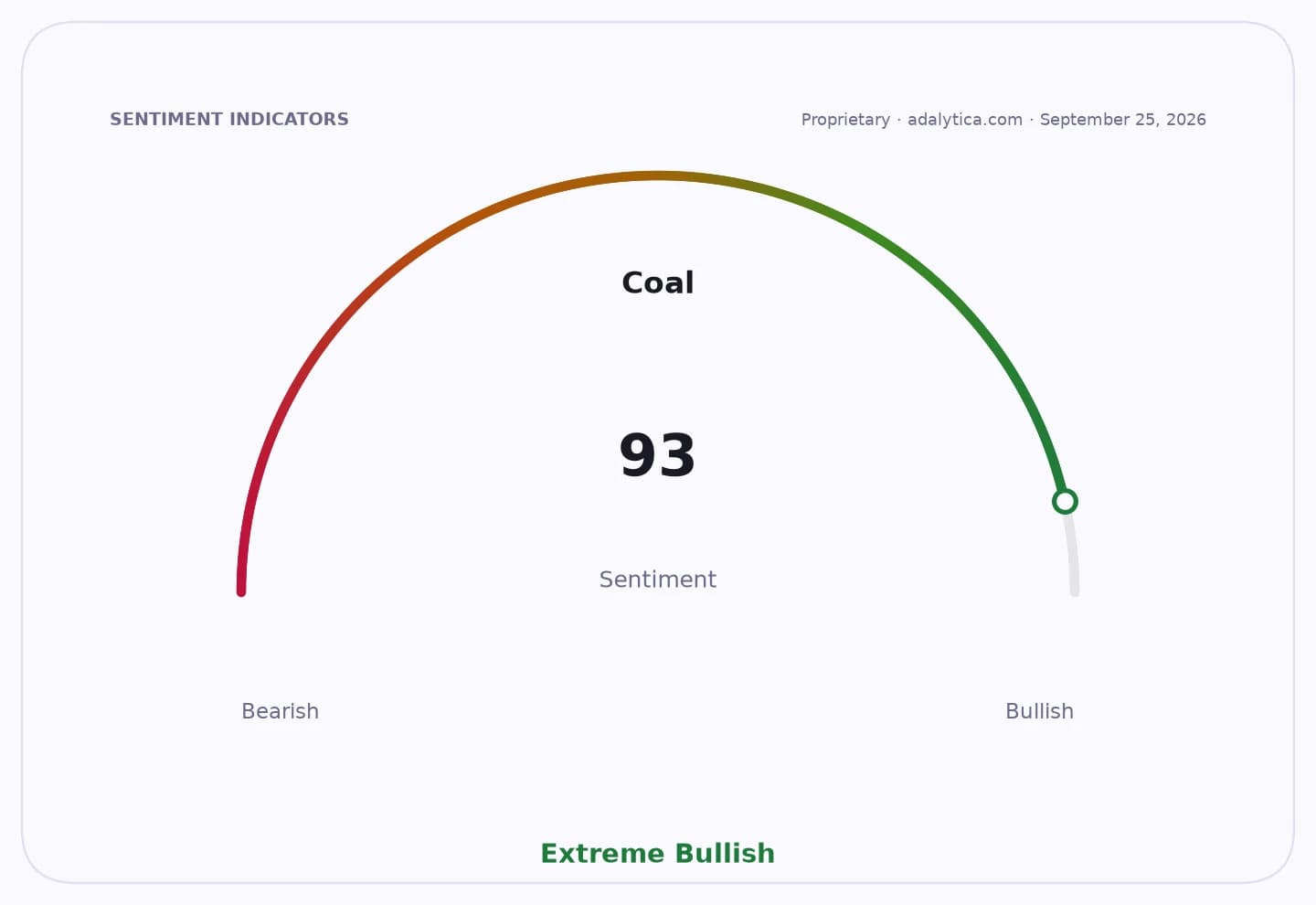
Sentiment IndicatorsⓘProprietary · adalytica.com · August 9, 2026
This is a snapshot — live sentiment, awareness and momentum for 130+ markets update continuously in the dashboard.Open AlphaPulse
That matters economically because EV support is no longer just about stimulating consumer adoption. It is also about industrial positioning, supply-chain development and the battle over who captures the profits from battery technology, software and vehicle assembly. With fuel costs still elevated and policymakers still willing to lean on incentives, the sector continues to grow — but the growth is increasingly uneven, favoring companies with scale, price discipline and global manufacturing ambition.
For investors, the message is straightforward: the EV trade is splitting into winners and losers. BYD is playing offense, and the market is still underestimating how much share it can win outside China. Tesla, by contrast, has been hit hard, with the stock down to about $328.58 from a recent peak above $489.88, while its 50-day moving average has rolled over and its RSI reading has fallen to 34.9, a sign of fading momentum. BYD’s U.S.-listed shares are also volatile, but the broader setup still looks more constructive: the stock has recovered from a low near $10.56 to around $11.53, and the 50-day moving average at $11.00 is now close to the market price.
That divergence is the real investment thesis. Subsidies are not creating a level playing field; they are amplifying competitive advantages. Companies with lower costs, stronger supply chains and the ability to scale across regions will keep taking share as EV adoption matures. The market underestimates how quickly that can happen once policy support, consumer demand and pricing power line up.
The next catalyst is likely to come from Europe, where incentive programs, fleet demand and broader electrification targets should continue to reward the lowest-cost, highest-volume players. For investors, the opportunity is to own the picks-and-shovels winners and the scale leaders, while avoiding names that still depend on premium pricing or government support to sustain growth.
| Entity | Gains | Losses |
|---|---|---|
| BYD | ▲Share gains in Europe | ▼Incumbents’ pricing power |
| Tesla | ▲— | ▼Momentum and EV dominance narrative |
| European EV buyers | ▲Subsidized pricing | ▼Fewer premium discounts |
| Legacy automakers | ▲Policy support tailwind | ▼Margin pressure from Chinese rivals |