Péter Szijjártó’s move from Hungary’s foreign ministry to a senior role at BYD has become a political and security issue in Budapest, underscoring the strategic sensitivity of Chinese investment in Europe’s auto industry.
BYD Hungary hire draws national security review
The parliamentary national security committee is now examining whether the former foreign minister’s new job at the Chinese electric-vehicle maker creates a conflict of interest or exposes state secrets, after he spent 12 years running Hungarian diplomacy and was closely involved in bringing BYD’s first European factory to Szeged. The hearing, held behind closed doors, reflects how a corporate hire can quickly turn into a national-security question when it involves a former cabinet member with deep access to strategic policy.
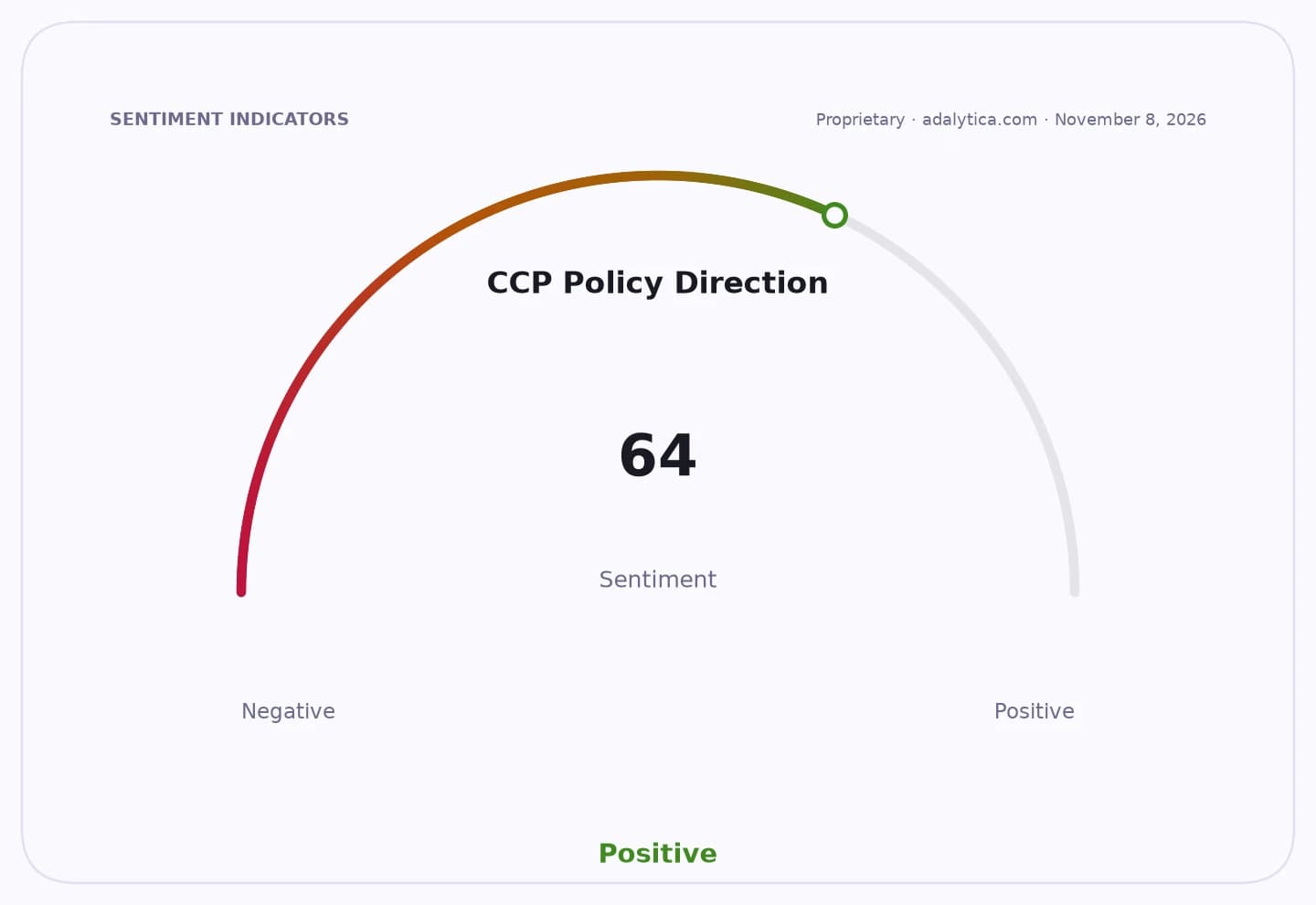
Sentiment Indicators
For Hungary, the issue goes beyond one appointment. Szijjártó was not just a senior politician; he was one of the country’s main interlocutors with Beijing and a central figure in securing state support for BYD’s Hungarian expansion. Opposition lawmakers have alleged that government-backed infrastructure spending — roads, rail and utilities — was effectively directed to benefit the company. That makes the debate about whether public policy was shaped to favor a future employer, and whether sensitive information on industrial strategy, subsidies and permitting may have followed him out of office.
For BYD, the controversy arrives at a delicate moment in Europe. The company has been accelerating its footprint across the continent as it looks to localize production and blunt tariff and political risk tied to Chinese EV imports. Hungary has emerged as one of its key gateways because of government backing and a relatively China-friendly stance within the European Union. A senior local ally with ministerial experience can be an asset in navigating regulators, labor issues and supply chains — but it also heightens scrutiny from lawmakers and rivals who see Chinese automakers as benefiting from political proximity as much as industrial competitiveness.
The market impact is indirect but real. BYD’s U.S.-listed shares have been under pressure, with BYDDF falling to $9.46 on Monday from $12.05 at the end of December and trading below both its 50-day and 200-day moving averages. The stock’s weakening technical picture suggests investors are already discounting some combination of margin pressure, policy risk and slower momentum in the broader China EV sector. BYDDY has followed a similar path, sliding to $9.46 from $12.70 over the same stretch. The latest political scrutiny in Hungary is unlikely by itself to move the shares, but it adds another layer of governance and reputational risk to a company trying to frame itself as a global manufacturer rather than a Chinese state-adjacent champion.
The bull case is that Hungary’s willingness to host BYD’s European manufacturing base still gives the company a competitive advantage in localization, logistics and access to the EU market. The bear case is that every new political controversy makes BYD’s European push more vulnerable to parliamentary inquiries, tougher subsidy reviews and deeper suspicion from Brussels and national capitals already wary of Chinese industrial policy.
The key question now is whether Szijjártó’s appointment is treated as an isolated ethical dispute or as a broader test of how far Chinese capital can penetrate European industrial policymaking without triggering a backlash. If lawmakers conclude that state resources and strategic access were too closely intertwined, the fallout could extend beyond one former minister to future Chinese deals in Hungary and elsewhere in the region.
| Entity | Gains | Losses |
|---|---|---|
| BYD | ▲Local political access | ▼Scrutiny over influence |
| Hungarian government | ▲Investment and jobs | ▼Credibility on security |
| Szijjártó | ▲Senior corporate post | ▼Reputation, oversight |
| EU competitors | ▲Stronger China skepticism | ▼Less focus on expansion |