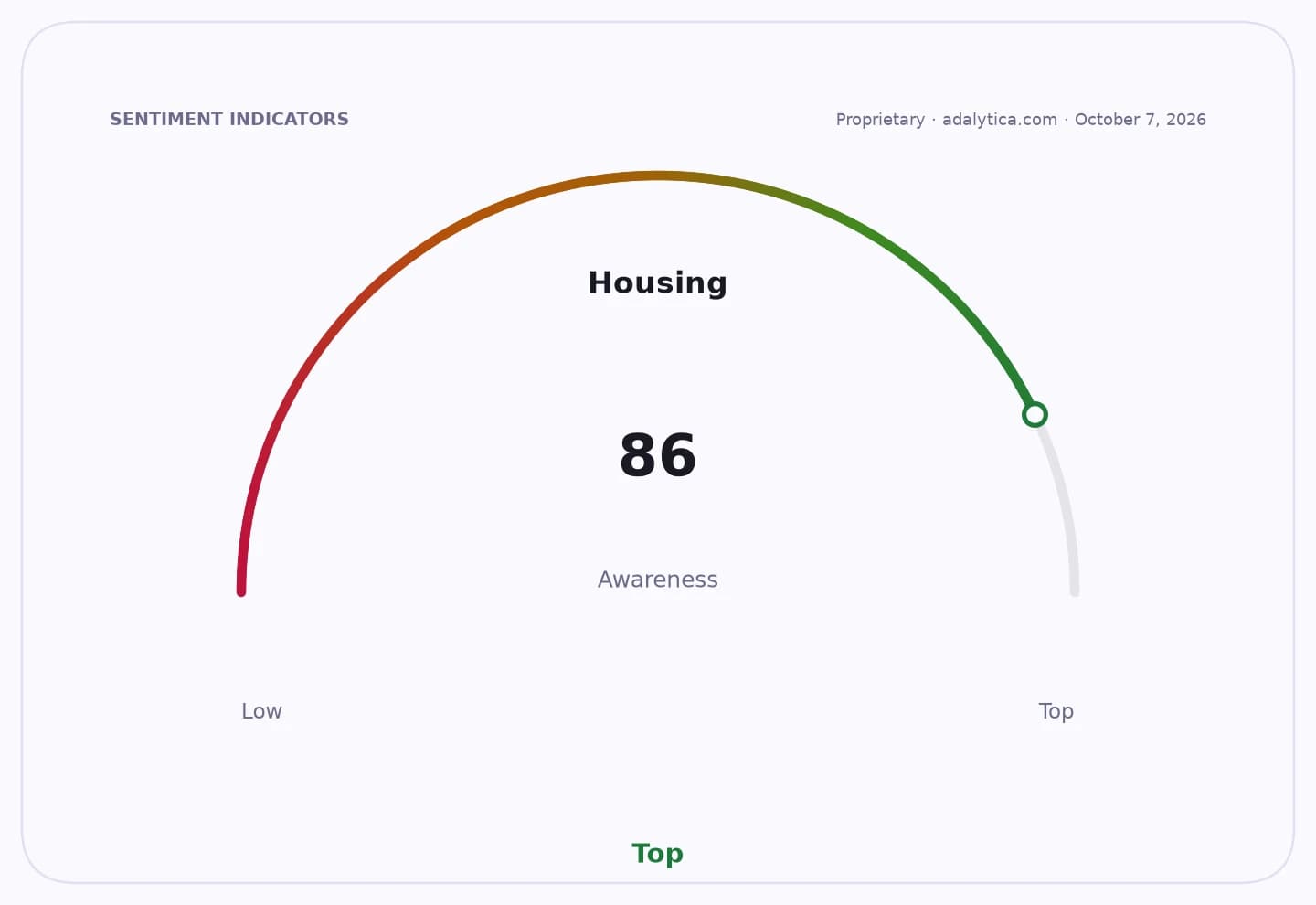
California voters are being asked to back a $25 billion state-run financing program that could lower the upfront cost of buying a newly built home and shift more demand toward the state’s beleaguered housing market.
California Proposition 37 and $25B home loan plan
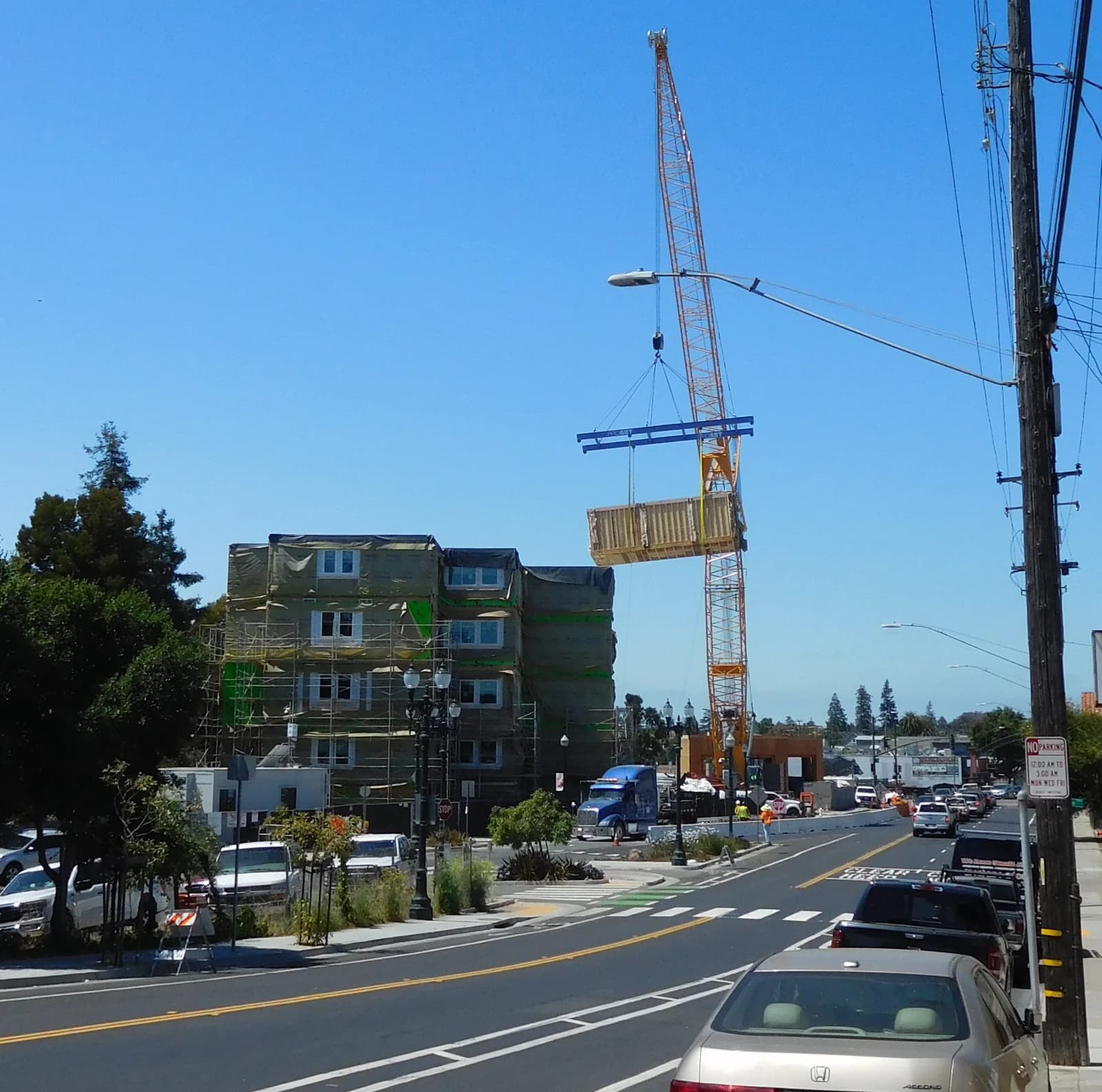
Proposition 37 would let the California Housing Finance Agency borrow up to $25 billion to offer fixed-rate loans covering as much as 17% of a purchase price on qualifying new homes and condos, leaving buyers with a 3% down payment if combined with a conventional mortgage. Supporters say the plan could make homeownership reachable for middle-income households shut out by California’s high prices; opponents are likely to focus on whether it would inflate demand without fixing the state’s deeper supply shortage.
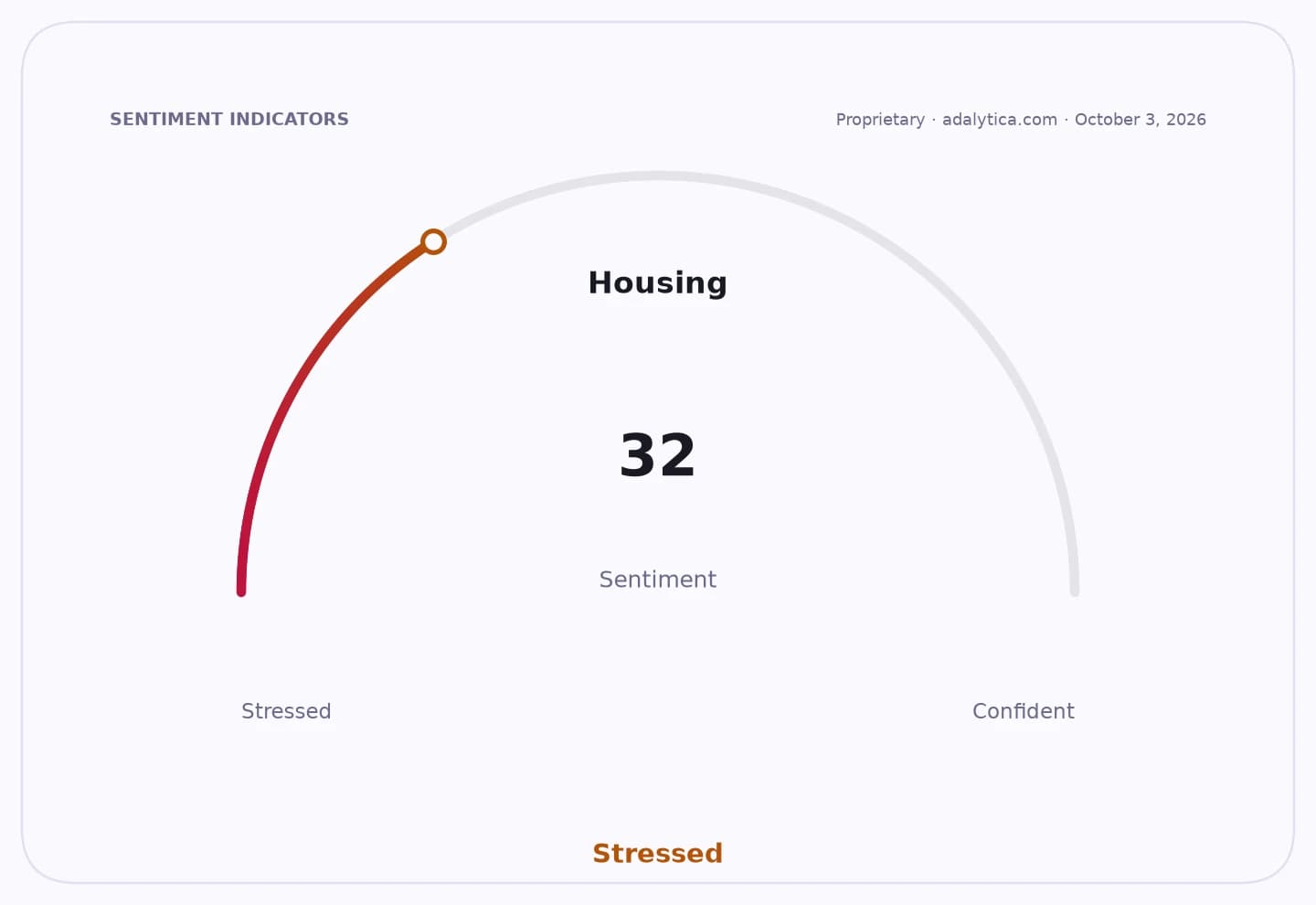
Sentiment IndicatorsⓘProprietary · adalytica.com · October 3, 2026
This is a snapshot — live sentiment, awareness and momentum for 130+ markets update continuously in the dashboard.Open AlphaPulse
The economics are straightforward: California’s home-price index remains near record highs, with the national housing benchmark at 337.3 in July and California costs still far above pre-pandemic levels, while mortgage rates above 5% keep monthly payments elevated. In that environment, down-payment assistance is not a broad solution to affordability, but it can materially change who can close a deal. On an $800,000 home, the program could reduce the cash needed upfront to roughly $24,000, a meaningful difference for households earning up to twice local median income.
That makes the initiative important for both the housing market and lenders. New-home builders would likely gain the most immediate benefit because the program is limited to newly constructed homes and condos priced below about $1.5 million. That is a direct subsidy to demand in a sector that has been leaning heavily on incentives to keep sales moving. Publicly traded builders have already been offering mortgage rate buydowns and other concessions to preserve affordability, and a state-backed financing channel could reinforce that trend by widening the pool of qualified buyers.
Mortgage and brokerage firms could also benefit if the program increases transaction volume, even if the loans are ultimately held or serviced through private lenders. Rocket Companies and Zillow have both built businesses around origination and home-shopping traffic, and any policy that lowers the barrier to purchase could increase lead flow and loan demand. The bear case is that a bigger purchasing subsidy in a supply-constrained state will be absorbed largely by prices, not affordability, while leaving buyers exposed if home values soften or if the program encourages stretching into already expensive neighborhoods.
The financing structure is designed to limit political risk to the state. The ballot language says the bonds would be repaid through mortgage payments rather than taxpayer funds, with private lenders on the hook in the event of borrower default. That could make the measure easier to sell to voters who want relief from California’s housing crunch without seeing it as another open-ended public subsidy.
But the larger story is that California is reaching for financial engineering because construction and land costs have made conventional affordability policy inadequate. If Proposition 37 passes, it would not solve the state’s housing shortage, but it would be a powerful signal that policymakers are willing to use the balance sheet to keep middle-income buyers in the market. If it fails, the pressure shifts back to builders, lenders and lawmakers to deliver affordability through supply rather than subsidized credit.
| Entity | Gains | Losses |
|---|---|---|
| California homebuyers | ▲Lower upfront cash need | ▼Greater debt exposure |
| Homebuilders | ▲More qualified buyers | ▼Limited help if supply stays tight |
| Mortgage lenders | ▲Higher origination volume | ▼More repayment/default risk |
| California taxpayers | ▲No direct cost | ▼None if program is off-balance-sheet |