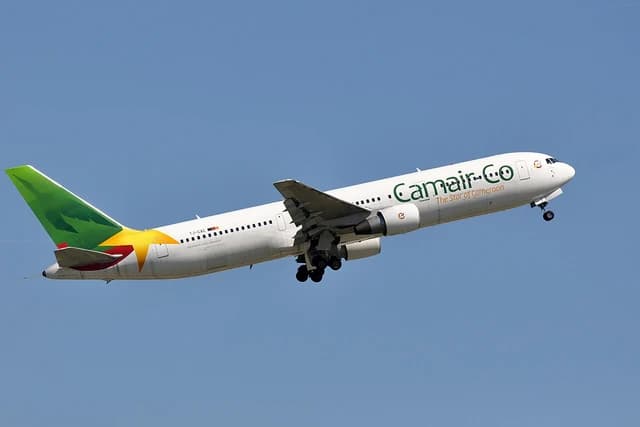
Camair-Co’s debt burden has climbed above $218 million with no sign of improvement, underscoring how a chronically undercapitalized flag carrier can become a persistent drag on a country’s aviation network, public finances and investor confidence.
Camair-Co debt tops $218 million

The number matters because debt in an airline is not just a balance-sheet line item: it is a signal that operating cash flow is not keeping pace with fuel, maintenance, leasing and financing costs. When liabilities keep rising and the outlook does not improve, the business becomes increasingly dependent on either state support, creditor patience or restructuring. For Cameroon, that raises the risk that a loss-making national carrier keeps absorbing scarce fiscal capacity that could otherwise go to infrastructure, ports or debt service.
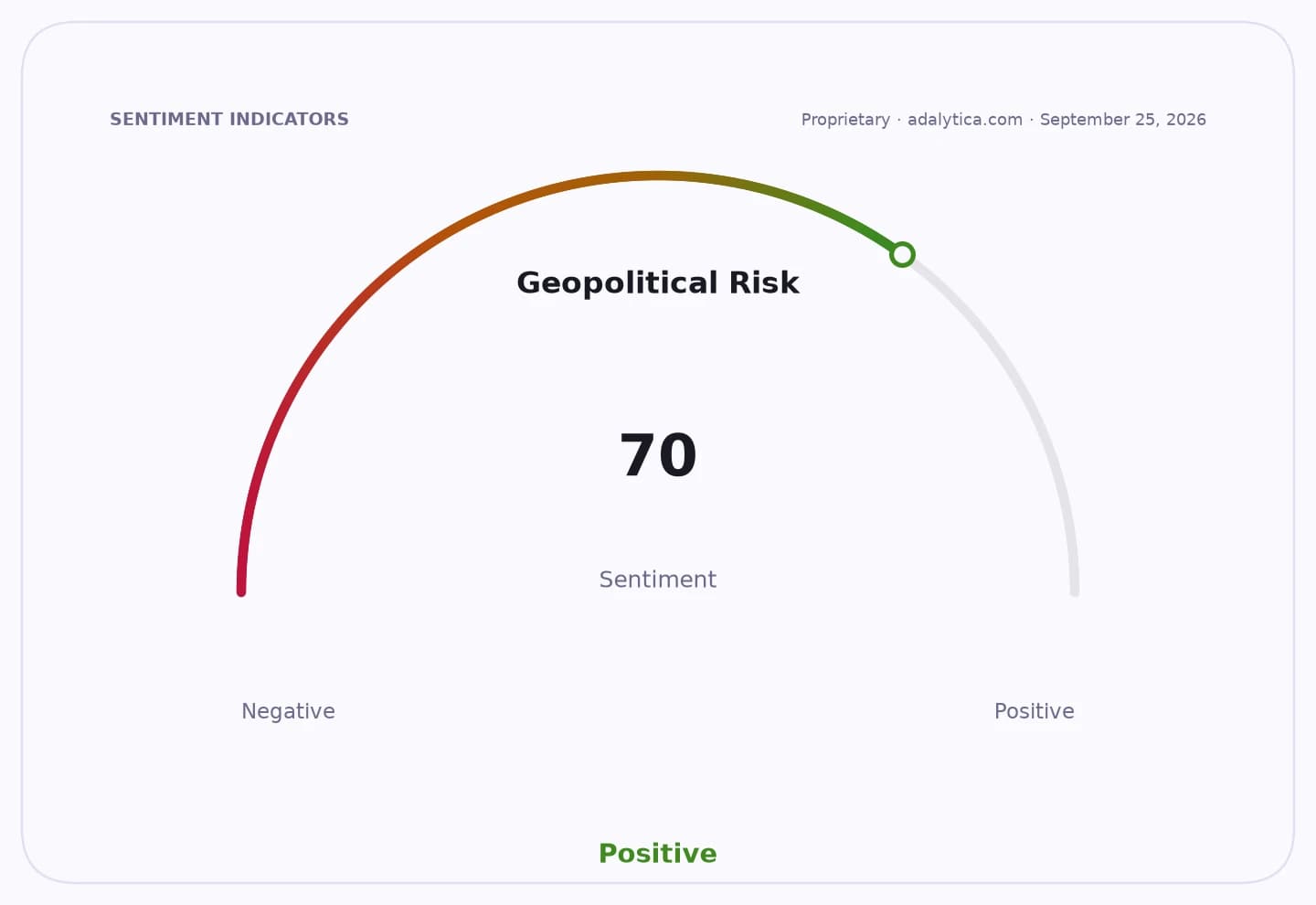
Sentiment IndicatorsⓘProprietary · adalytica.com · August 5, 2026
This is a snapshot — live sentiment, awareness and momentum for 130+ markets update continuously in the dashboard.Open AlphaPulse
For investors, the story is less about one airline and more about sovereign and sector risk. A mounting debt load at a state-linked carrier can weigh on perceptions of governance, contingent liabilities and the willingness of authorities to impose hard budget constraints. That can matter for anyone exposed to Cameroon’s credit, to aviation suppliers waiting on payments, or to lenders assessing whether the country’s transport assets are being run for economic return or political utility. In airline markets, the premium usually goes to operators and jurisdictions that can fund fleets, maintain schedules and refinance cleanly; chronic distress does the opposite.
The broader narrative is familiar across emerging-market aviation: national carriers often struggle because they are asked to serve as both commercial businesses and symbols of sovereignty. That model tends to produce weaker pricing discipline, higher leverage and repeated recapitalization cycles. Camair-Co now looks locked in that trap, with debt rising even as conditions fail to improve.

Unless the government imposes a turnaround plan, brings in strategic capital or restructures obligations, the airline risks remaining a liability rather than an asset. For investors, the takeaway is clear: avoid assuming that state backing alone makes a carrier investable. In this case, the balance sheet says the opposite.
| Entity | Gains | Losses |
|---|---|---|
| Camair-Co creditors | ▲higher claims | ▼repayment risk |
| Cameroon government | ▲political control | ▼fiscal flexibility |
| Private competitors | ▲market discipline | ▼nothing |
| Aviation suppliers | ▲short-term sales | ▼payment delays |