Taiwan has warned Canada that deepening trade ties with China could expose Prime Minister Mark Carney to the same kind of economic coercion Ottawa says it wants to avoid, underscoring the strategic risk in Canada’s bid to diversify away from the United States while its trade fight with Washington escalates.
Canada-China trade ties draw Taiwan warning
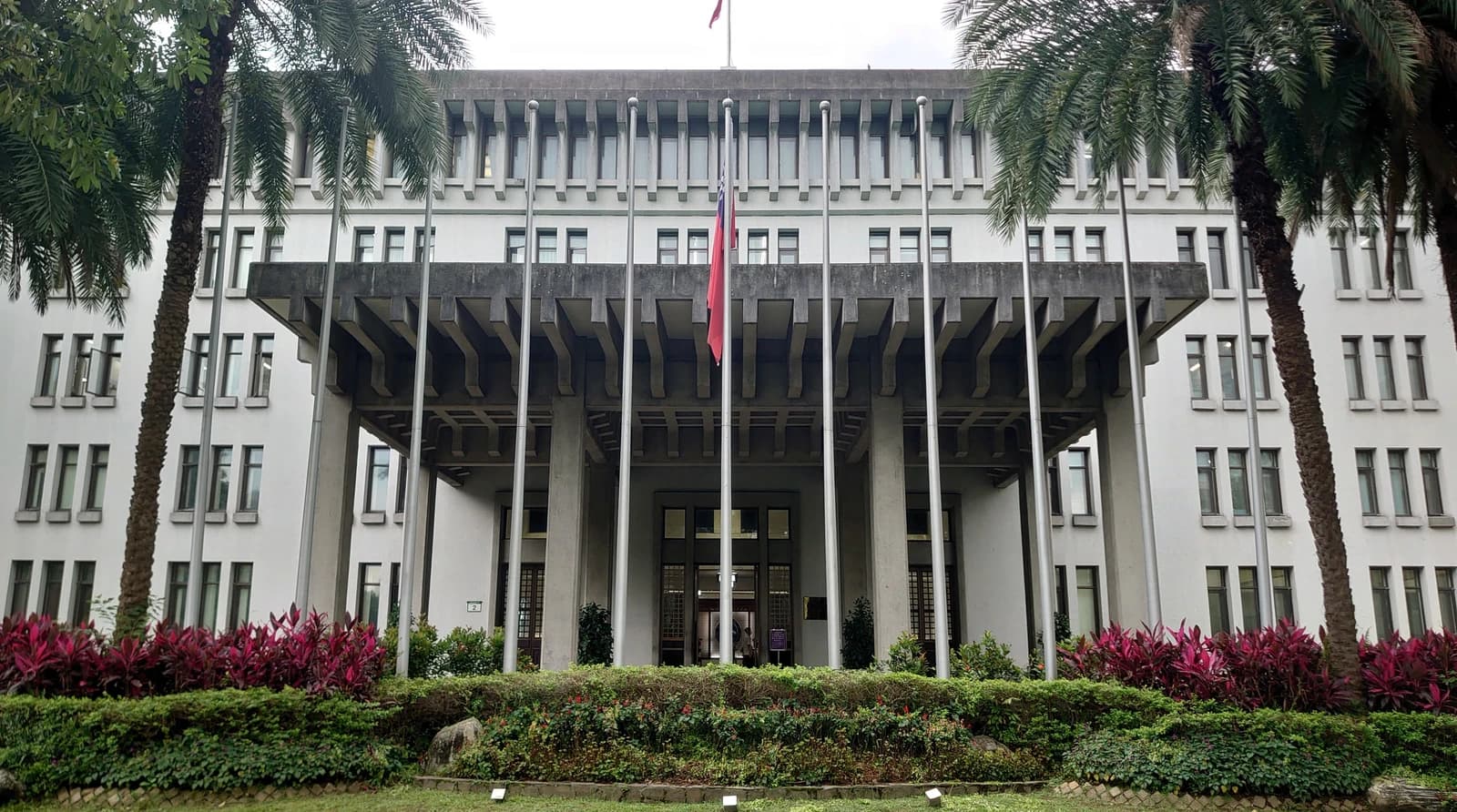
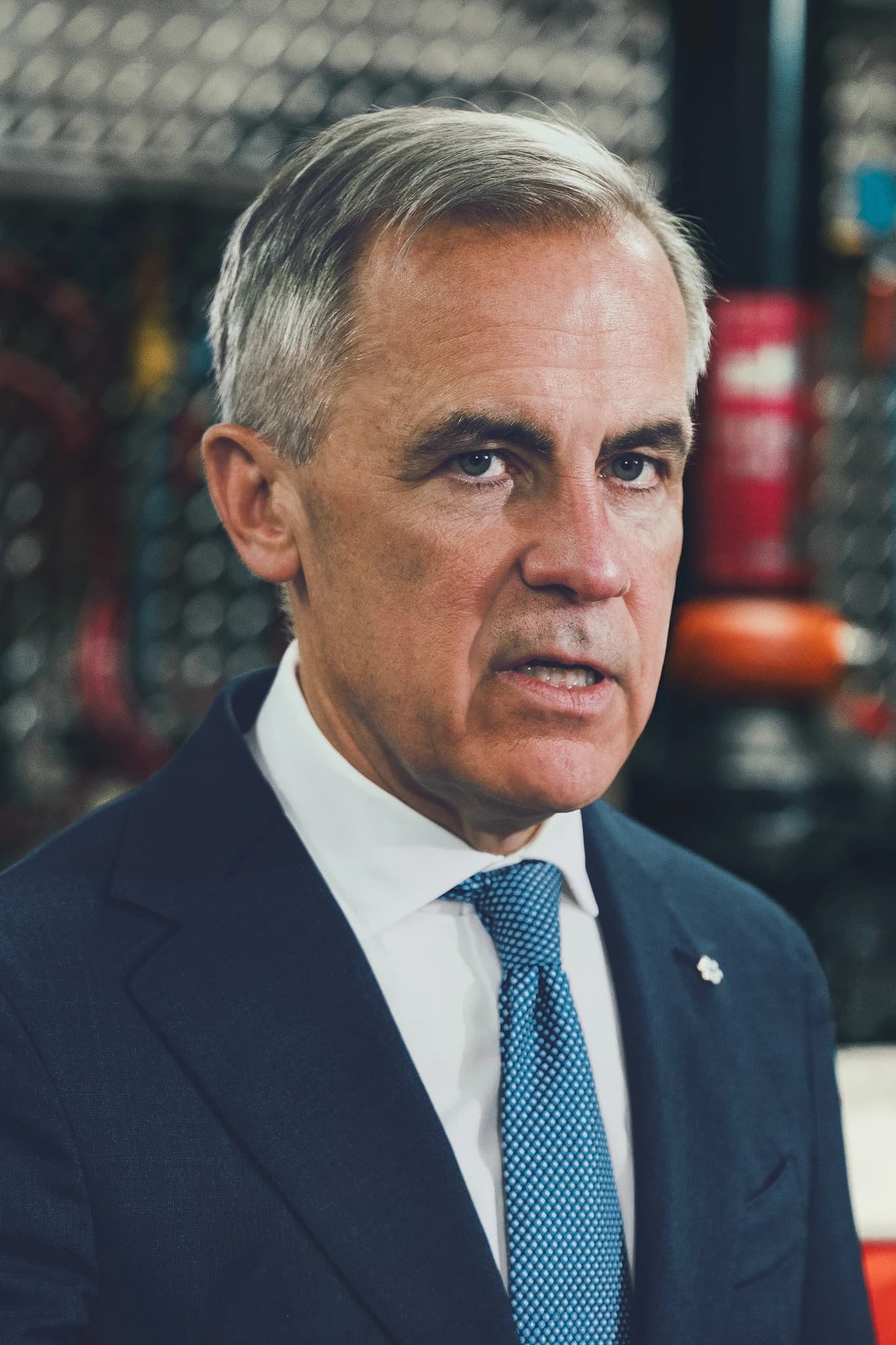
The warning matters because it lands at a moment when Canada is weighing how far to go in rebuilding commercial ties with Beijing as a hedge against Donald Trump’s tariff threats. Carney met President Xi Jinping in Shenzhen this week and the two sides agreed to further tariff cuts, even as the Canadian government looks for new export markets and tries to shield its auto sector from a proposed 50% US levy on vehicles and parts from Jan. 1.
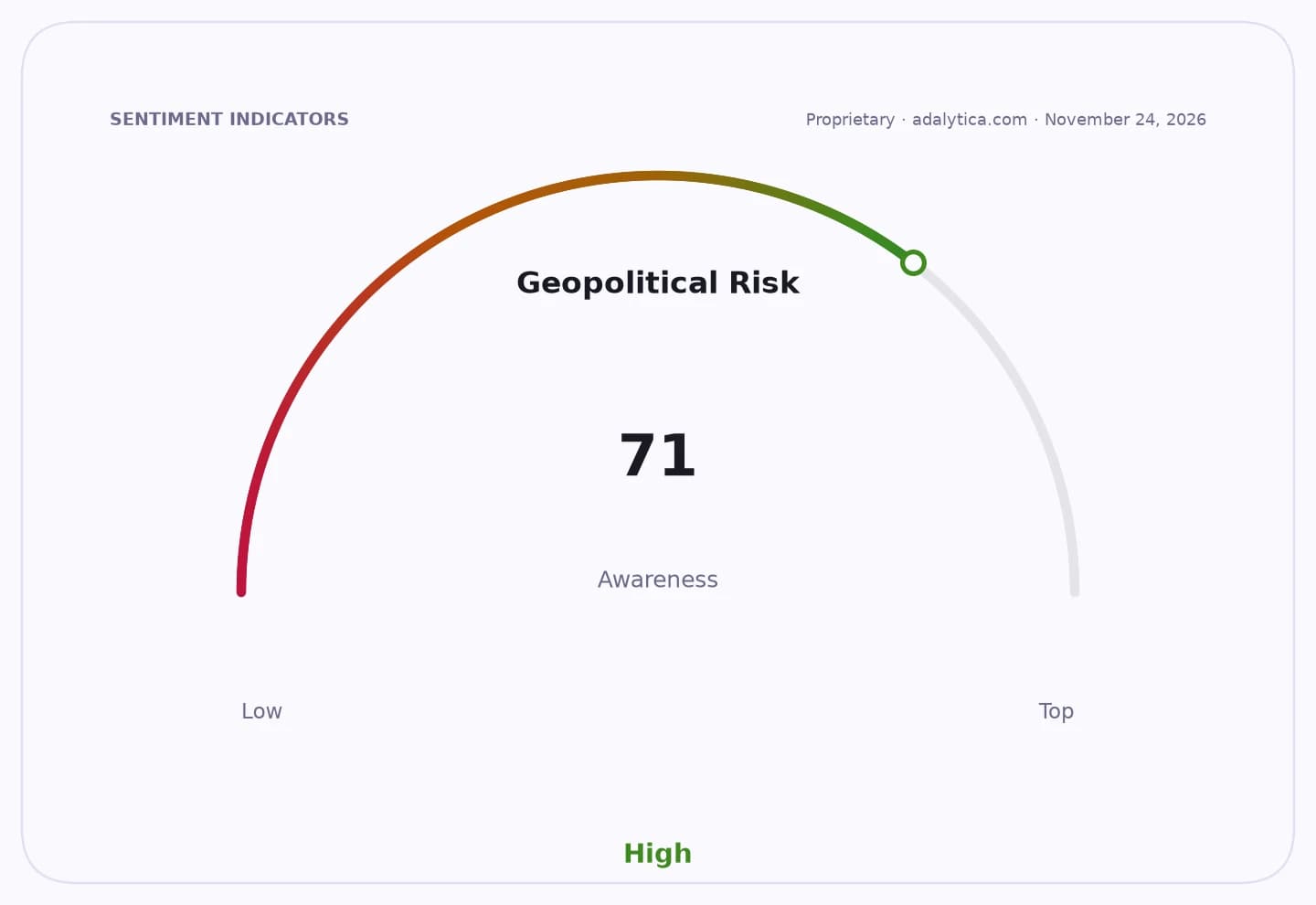
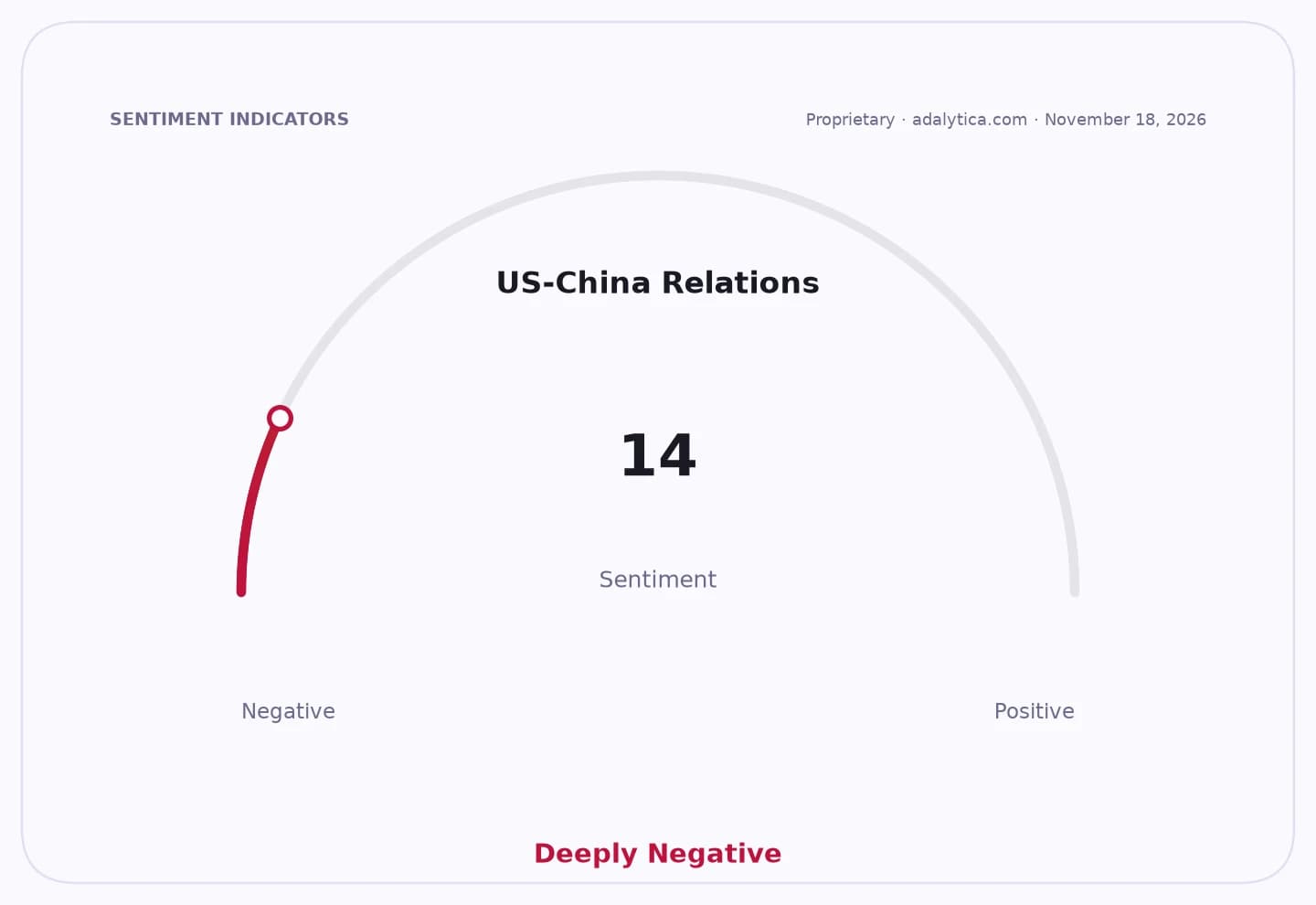
Sentiment Indicators
Geopolitical Risk
For investors, the message is that Canada’s attempt to balance the US and China may create as much policy risk as relief. A deeper opening to China could help Canadian farmers, energy exporters and commodity producers diversify demand. But it also raises the prospect of political blowback from Washington, regulatory uncertainty for manufacturers and renewed scrutiny over supply-chain exposure to Chinese firms, especially in sensitive sectors such as electric vehicles and connected-car technology.
Taiwan’s intervention is especially pointed because it comes from a government that has spent years reducing its own dependence on China after experiencing Beijing’s use of trade restrictions as a political tool. Chen Ming-chi, Taiwan’s deputy foreign minister, said Taiwan had learned that reliance on Beijing comes with a price and pointed to what he described as the dangers of “transforming interdependence into a weapon.”
That argument resonates in Ottawa because Carney has built his economic case around the same premise: that major powers are increasingly weaponizing trade. He has said the US and China are both using market access and industrial policy as leverage, and has urged middle powers to diversify commercial relationships to protect themselves. The difference, in his telling, is that Canada mainly sells China agricultural goods, energy and raw materials rather than advanced technology such as semiconductors.
The political sensitivity is not abstract. Chen reminded Canada of the detention of Michael Kovrig and Michael Spavor after the arrest of Huawei executive Meng Wanzhou, a case that cemented Canadian suspicion of Beijing’s willingness to use economic and diplomatic pressure for strategic aims. That history makes any closer engagement with China a harder sell domestically, even if it offers short-term trade gains.
Chen also argued that Chinese electric vehicles could put Canadian producers at a disadvantage and flagged connected-car systems as a surveillance risk, an issue likely to keep technology-security concerns at the center of any future Canada-China thaw. Carney, for his part, has suggested Canada could turn to Chinese automakers if talks with Washington fail to preserve a viable domestic auto industry, a sign that the pressure from US tariffs may force Ottawa into choices that satisfy neither ally nor adversary.
The market backdrop reflects that fragility. TSM, the Taiwan-listed chipmaker, has fallen to 325.98 from 476.29 in late June, while the China-focused FXI ETF has slid to 30.49 from above 40 earlier in the year, showing how quickly sentiment can sour when geopolitical risk rises. Canadian equities tracked by FXC have held near the high 60s, but the policy crosscurrents leave little room for complacency.
The broader narrative is that Canada is trying to reduce dependence on one superpower without becoming vulnerable to another. Taiwan’s warning suggests that the search for leverage in global trade may instead deepen exposure to coercion on multiple fronts, leaving Carney with a narrower and more volatile set of options than his diversification rhetoric implies. For investors, the key catalyst is whether Ottawa can secure relief from Washington without trading one strategic vulnerability for another.
| Entity | Gains | Losses |
|---|---|---|
| Canada exporters | ▲New market access | ▼Higher geopolitical risk |
| Canadian automakers | ▲Possible China supply option | ▼Pressure from US tariffs |
| Taiwan | ▲Reinforces anti-coercion message | ▼Less room for China outreach |
| China | ▲Improved Canada ties | ▼More scrutiny over leverage |