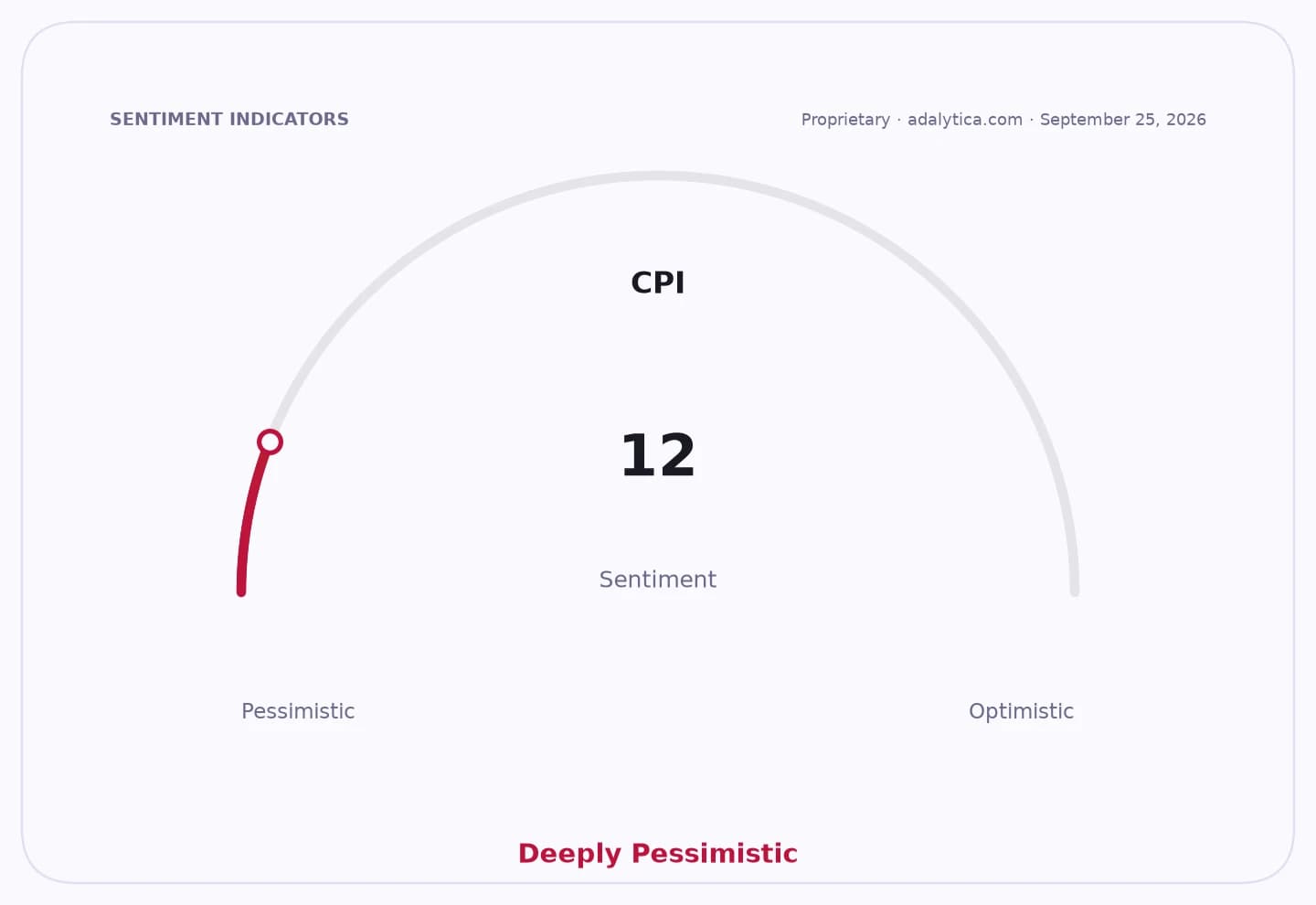
Canada’s effort to fix its grocery competition problem is putting fresh pressure on incumbent chains just as investors are already confronting a sharp reset in grocery stocks and a tougher consumer backdrop. The policy debate around local food hubs, more direct sourcing and regional supply chains matters because food retail is one of the most concentrated and politically sensitive parts of the consumer economy, with pricing power, margins and household affordability all in play.
Canada Grocery Policy Pressures Big Chains
The stakes are economic as much as political. Groceries are a core cost for households, and when competition is thin, small changes in pricing, transportation and wholesale markups feed quickly into inflation and disposable income. That is why proposals for local food hubs are getting attention: they aim to reduce reliance on a handful of dominant distributors, shorten supply chains and give smaller producers and buyers more leverage on price.
For investors, the issue cuts across the North American grocery complex. Kroger, Albertsons and Walmart all compete in a market where scale, logistics and private-label strength have long protected margins, but that model is vulnerable when regulators and governments push for more local competition. Kroger shares were last around $56.87, far below their 50-day moving average of $61.18 and 200-day average of $64.95, while Albertsons closed at $11.03, well under its 50-day average of $14.72 and 200-day average of $16.39, signaling how quickly sentiment has turned against traditional grocers.
Walmart looks more resilient, with shares at $109.47, above its 200-day average of $117.41 only after a strong run earlier this year, but even the retail giant is not immune to a more fragmented and price-sensitive grocery landscape. Its sales power and scale remain an advantage, yet any policy that channels more food spending through local hubs, co-ops or government-backed distribution models could gradually erode share in categories where Walmart and the big grocers depend on volume.
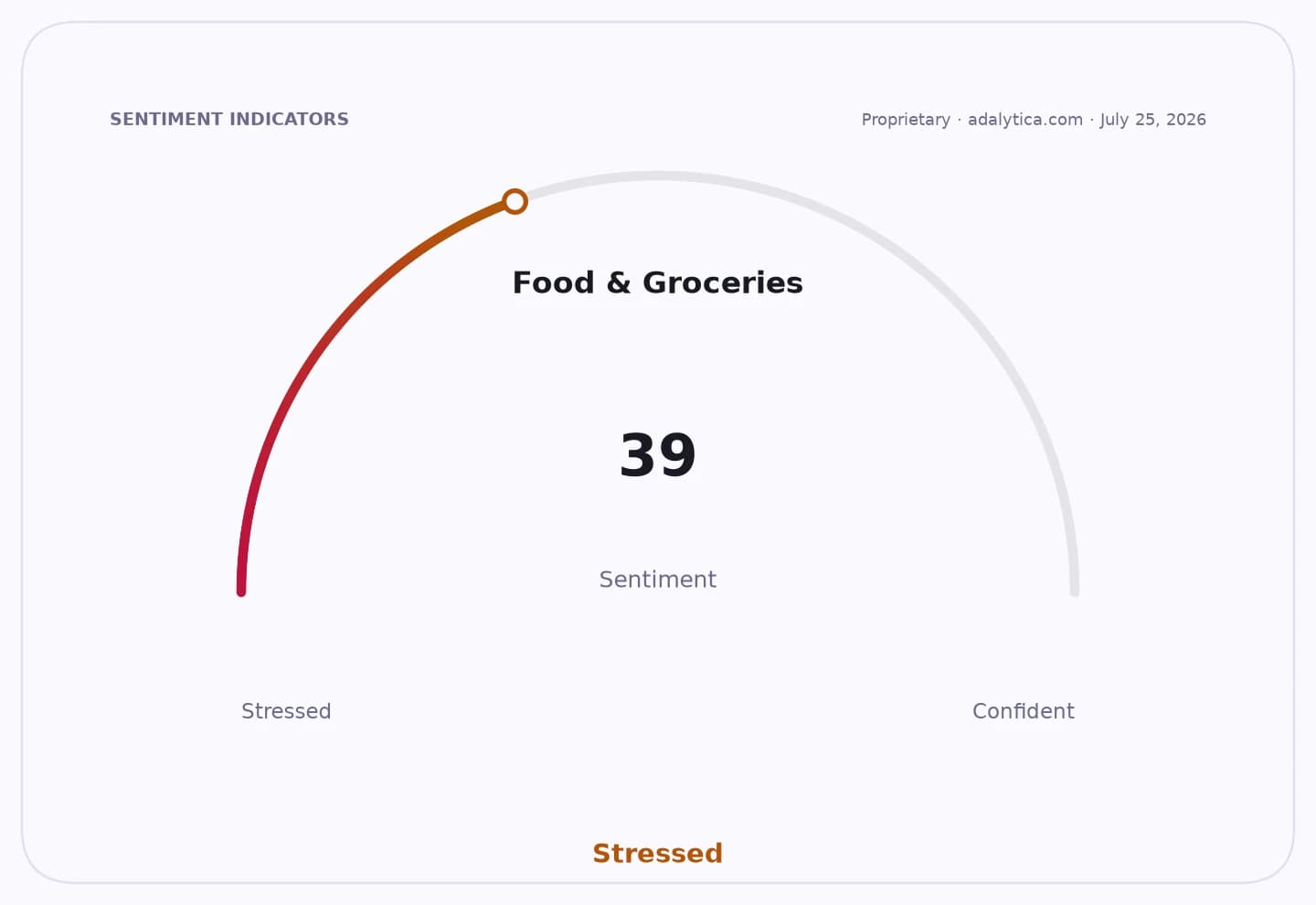
The broader backdrop is a consumer still under strain. Adalytica’s Food and Grocery Spending Sentiment index shows neutral sentiment at 39, down 61 points over the past 30 days, suggesting shoppers are still highly sensitive to prices even as awareness remains elevated. In that environment, programs that lower food bills — whether through local hubs, medically tailored groceries or food-pantry expansion — can shape demand patterns and political pressure on retailers faster than conventional advertising or promotion.
That leaves the grocery sector facing a mix of policy risk and competitive churn. If Canada’s local food hub push gains traction, it could favor regional suppliers, public-health initiatives and smaller retailers while forcing national chains to defend share with lower prices and heavier investment. The next catalyst is likely to come from the policy process itself, alongside any further moves in grocery inflation, tariffs or retailer commentary on pricing and promotions.
| Entity | Gains | Losses |
|---|---|---|
| Local food hubs | ▲Policy support, traffic, relevance | ▼Slow rollout risk |
| Smaller grocers and producers | ▲Better access, lower distribution costs | ▼Weaker buying power |
| Kroger and Albertsons | ▲None materially | ▼Margin pressure, share loss risk |
| Walmart | ▲Defensive scale advantage | ▼More fragmented grocery demand |