Canada’s inflation slowdown to 2.8% in June strengthens the case for the Bank of Canada to keep rates unchanged and gives households, retailers and lenders a clearer line of sight after months of policy strain.
Canada Inflation Cooldown Supports BoC Hold
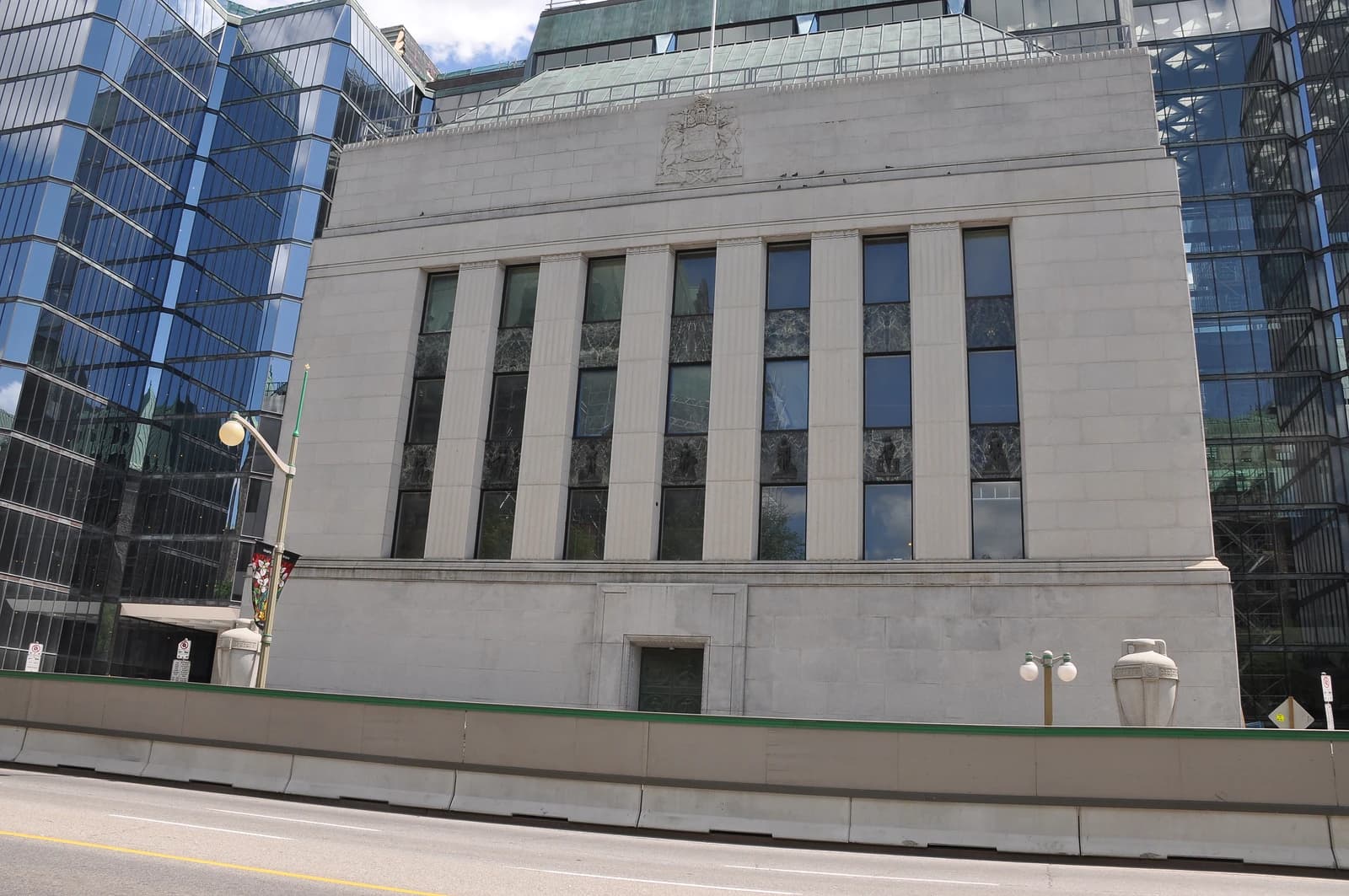
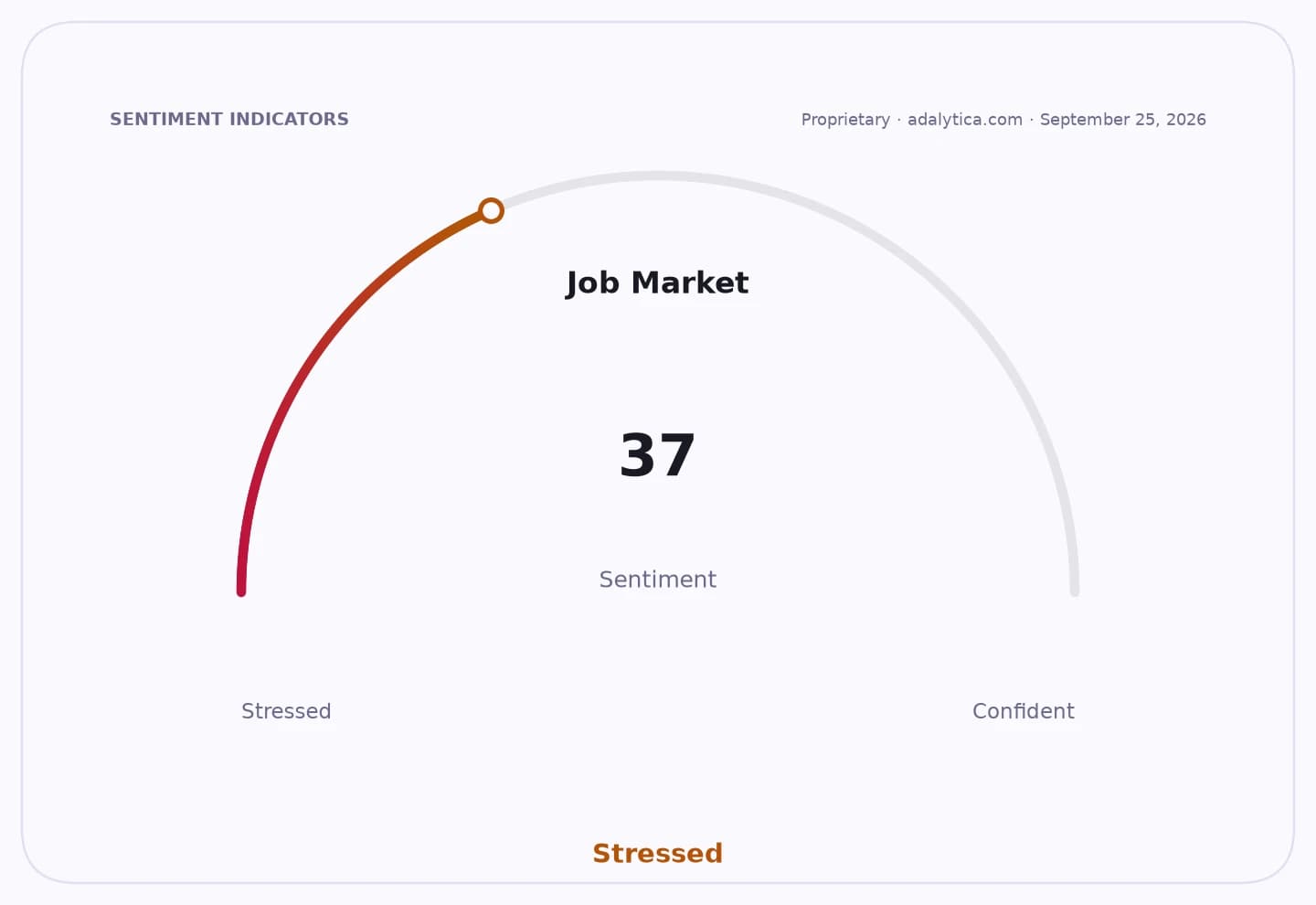
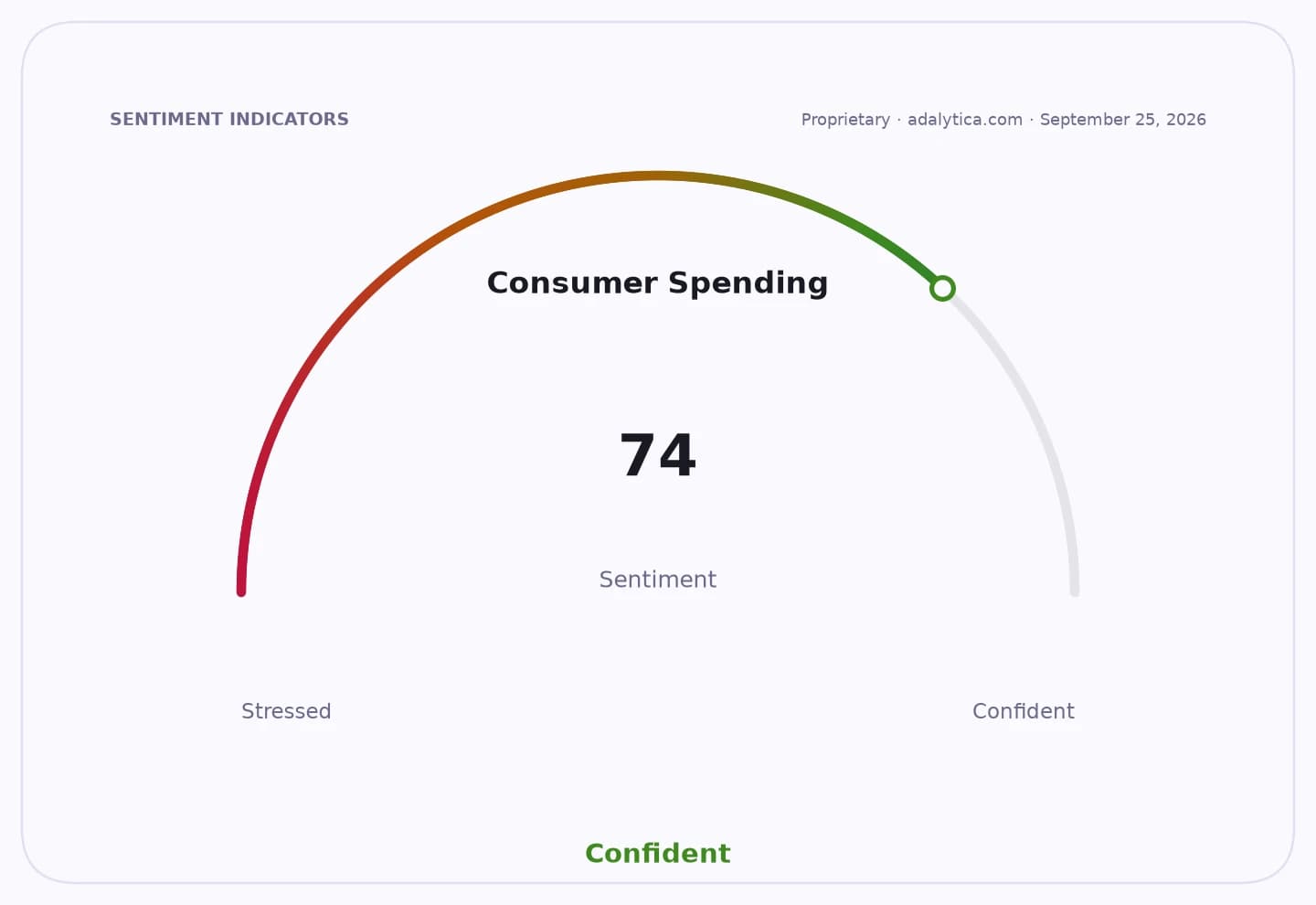
The easing in consumer prices, led by lower gasoline costs, matters because it supports the central bank’s decision to keep its benchmark rate at 2.25% for a sixth straight meeting. With inflation cooling and the economy still expanding, policymakers have room to stay patient rather than risk tightening into a slowing labor market and an uncertain global backdrop. For investors, that combination points to less pressure on borrowing costs, steadier credit conditions and a better chance that consumer spending does not weaken further.
Sentiment IndicatorsⓘProprietary · adalytica.com · July 20, 2026
This is a snapshot — live sentiment, awareness and momentum for 130+ markets update continuously in the dashboard.Open AlphaPulse
The policy backdrop is particularly important for Canadian financials and consumer-facing companies. Royal Bank of Canada, one of the country’s bellwether lenders, has benefited from the prospect of a more stable rate environment even as loan growth and margins face natural limits later in the cycle. Lower inflation also eases some pressure on households, which can help spending on discretionary items and restaurant traffic. That is relevant for Restaurant Brands International, whose Canadian operations are tied to consumer confidence as much as to nominal income growth.
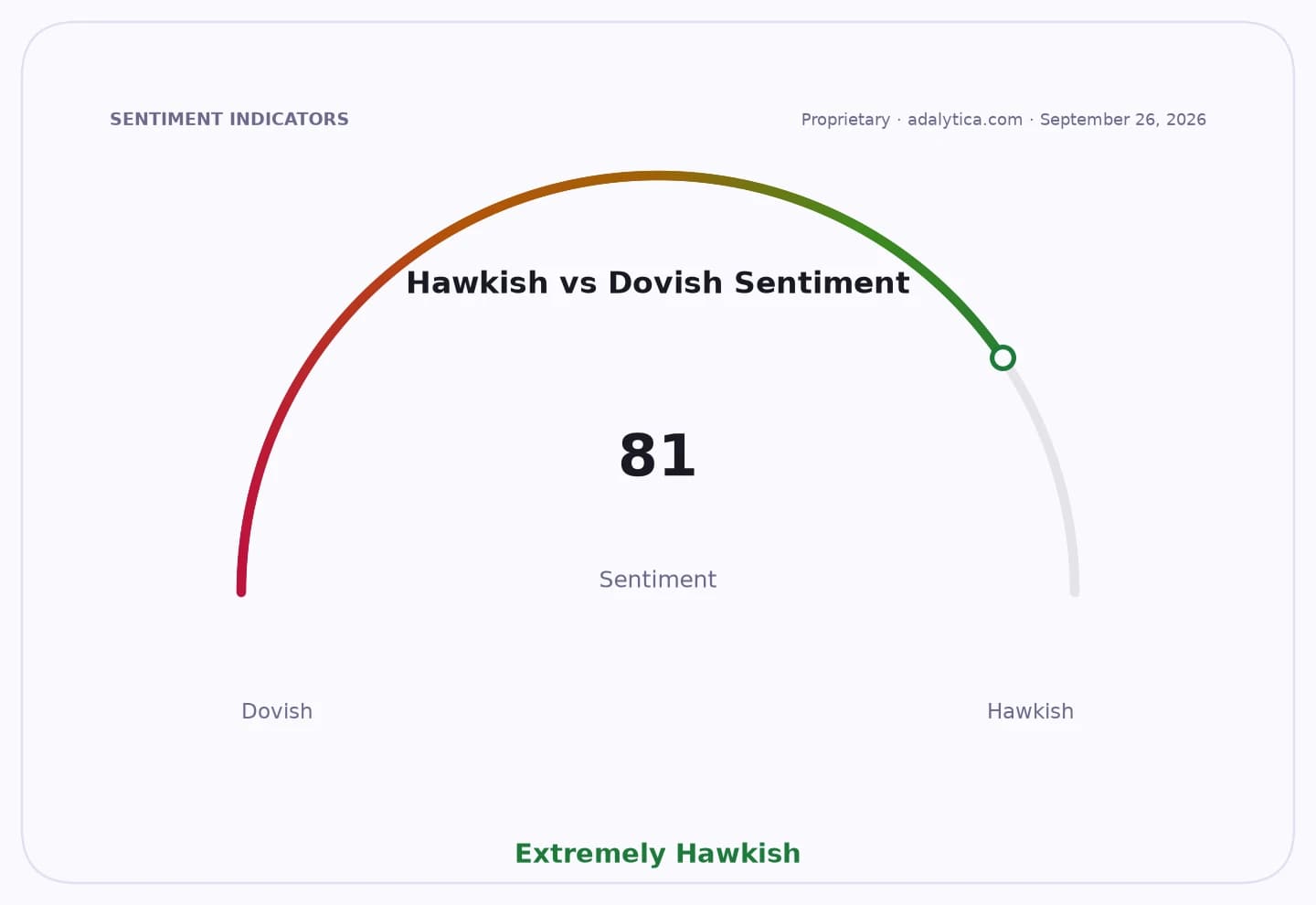
Still, the relief is incomplete. The labor market remains soft enough to keep the Bank of Canada cautious, and officials are still weighing the risk that geopolitical shocks and trade disruptions could reignite price pressures. Adalytica’s inflation-expectations gauges show longer-term expectations have rebuilt quickly, underscoring why policymakers are unlikely to declare victory after one cooler reading. For markets, that means the near-term narrative is not about imminent easing but about the Bank of Canada avoiding a mistake on either side of its mandate.
That leaves investors focused on whether June’s softer print marks the start of a durable disinflation trend or just a pause in a still-fragile balance. If inflation keeps drifting lower, rate-sensitive Canadian equities and consumer names could gain another leg of support. If energy or wage pressure returns, the central bank’s hold will look less like a dovish pivot and more like a prolonged wait.
| Entity | Gains | Losses |
|---|---|---|
| Bank of Canada | ▲Policy flexibility | ▼Pressure to cut soon |
| Canadian consumers | ▲Lower price pressure | ▼Little relief from weak jobs |
| RBC and lenders | ▲Stable rate backdrop | ▼Faster easing hopes |
| QSR and retailers | ▲Better spending outlook | ▼Margin squeeze from costs |