The Canadian dollar is firming even as Canada’s benchmark government bond yield pushes higher, a combination that tells investors the market is repricing the outlook for interest rates, inflation, and growth at the same time.
Canadian Dollar Firms as Bond Yields Rise
That matters because currencies and bond yields usually move together when investors are betting on a stronger economy or a more persistent inflation backdrop. For long-term investors, the real question is not whether the move lasts a day or a week, but whether it marks a durable shift in Canada’s rate environment that could affect borrowing costs, bank earnings, and portfolio returns.
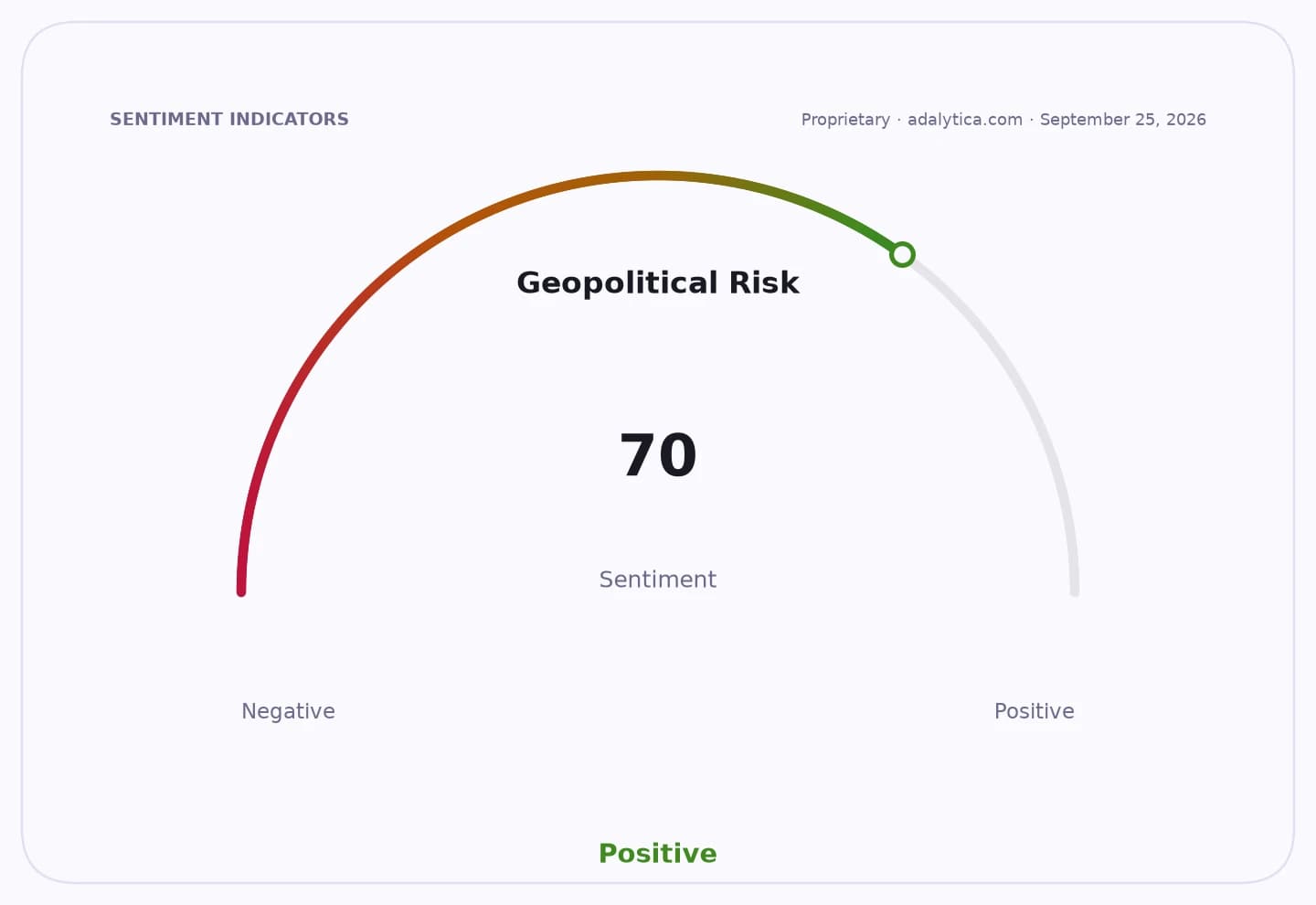
Sentiment IndicatorsⓘProprietary · adalytica.com · August 17, 2026
This is a snapshot — live sentiment, awareness and momentum for 130+ markets update continuously in the dashboard.Open AlphaPulse
The benchmark 10-year yield in the US is shown in the data climbing to 4.652% on the latest forecast, after touching 4.70% earlier in the week and easing only slightly to 4.63% most recently. That is a high level by the standards of the past decade, and it underscores how sticky yields remain even as markets continue to debate the next move from central banks.
At the same time, the US dollar is under heavy pressure in Adalytica’s trade-signal snapshot, which shows “Extreme Fear” for the greenback. That backdrop helps explain why the Canadian dollar can strengthen even when local yields are rising: a weaker US currency can lift peers across the board, while investors rotate toward economies where policy still looks relatively restrictive.
For investors, the more important takeaway is that higher yields are not automatically bad news. They can signal confidence in growth, but they also raise the cost of capital for households and companies. That is why the move deserves attention from holders of Canadian banks, rate-sensitive sectors, and dividend stocks that compete with bonds for income-seeking capital.
Bank of Montreal, one of Canada’s big lenders, has already reflected the market’s appetite for financials, with the shares climbing sharply over the past year and recently trading near 123.74. Canadian dollar strength can be a tailwind for firms with domestic pricing power, while higher yields tend to support bank net interest margins over time, even if they also cool loan demand.
Royal Bank of Canada proxy FXC, meanwhile, has held above its 50-day moving average and is trading near 70.38, suggesting the currency market is also digesting the rate story as a technical break rather than a panic move. The chart action is less important than the bigger message: capital is still chasing yield, and Canada is part of that global reallocation.
The risk for investors is that this turns into a slower-growth, higher-rate world, which would eventually weigh on consumer spending and credit quality. But for patient investors, periods like this can create opportunity, especially in diversified portfolios built to own strong banks, cash-generating businesses, and assets that can compound through different rate cycles.
If the Canadian dollar can hold its strength while yields stay elevated, it would reinforce the view that Canada remains a relatively attractive market for income and financial-sector exposure. That is worth watching, and for long-term investors, worth keeping on the watchlist.
| Entity | Gains | Losses |
|---|---|---|
| Canadian dollar | ▲Better relative yield support | ▼Exporters with thin margins |
| Canadian bondholders | ▲None | ▼Mark-to-market pressure |
| Canadian banks | ▲Higher net interest income | ▼Slower loan growth |
| Borrowers | ▲None | ▼Higher financing costs |