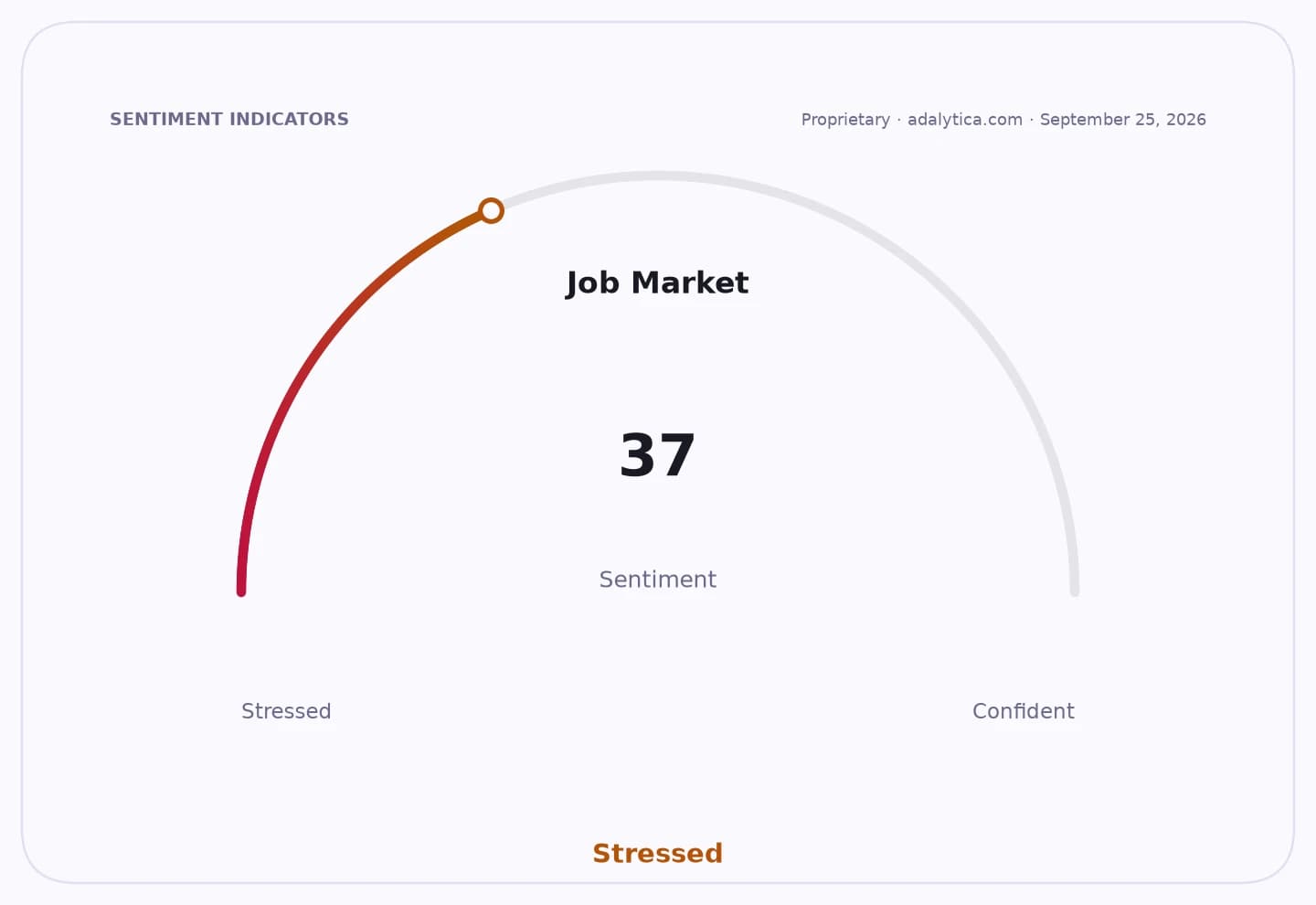
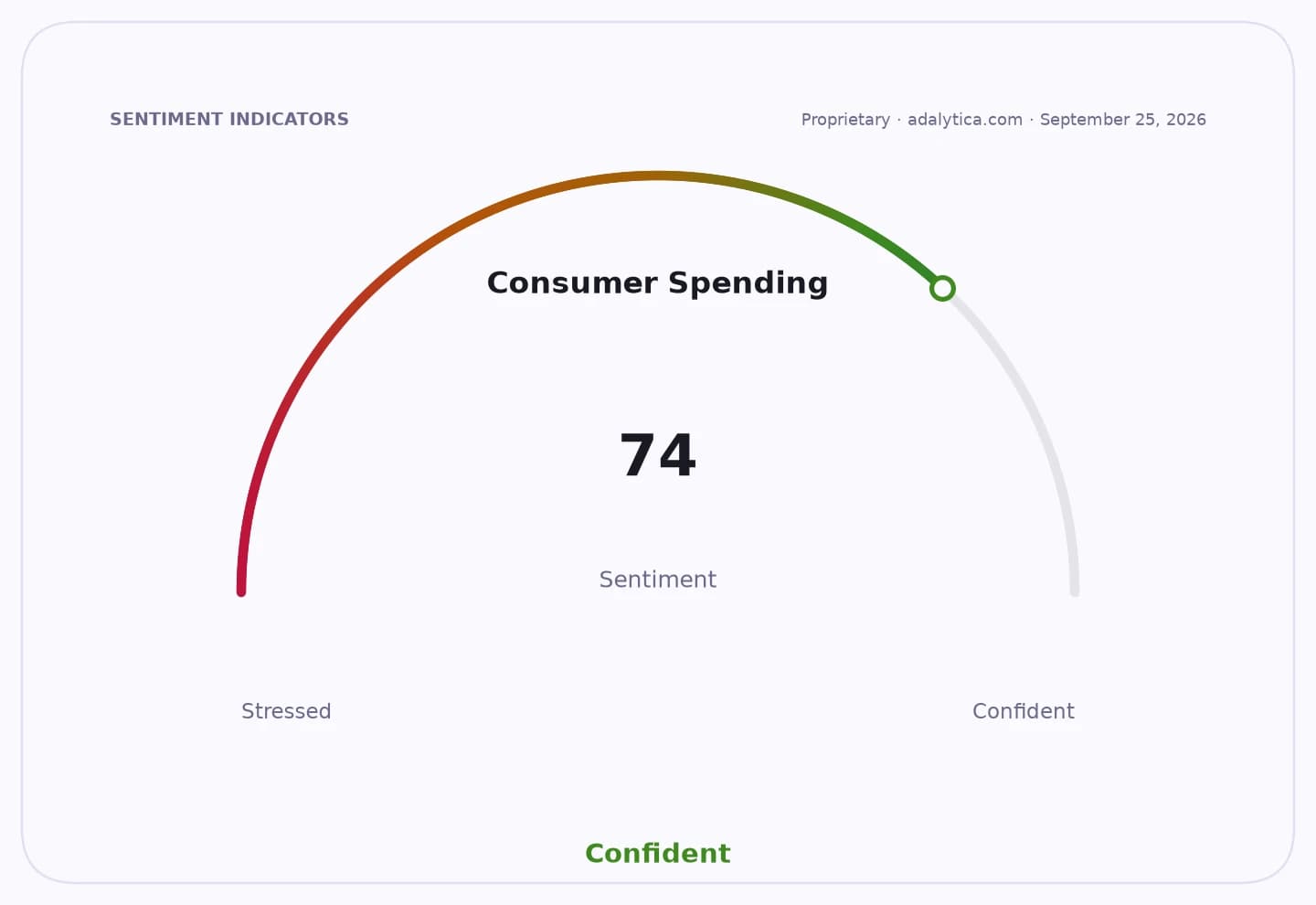
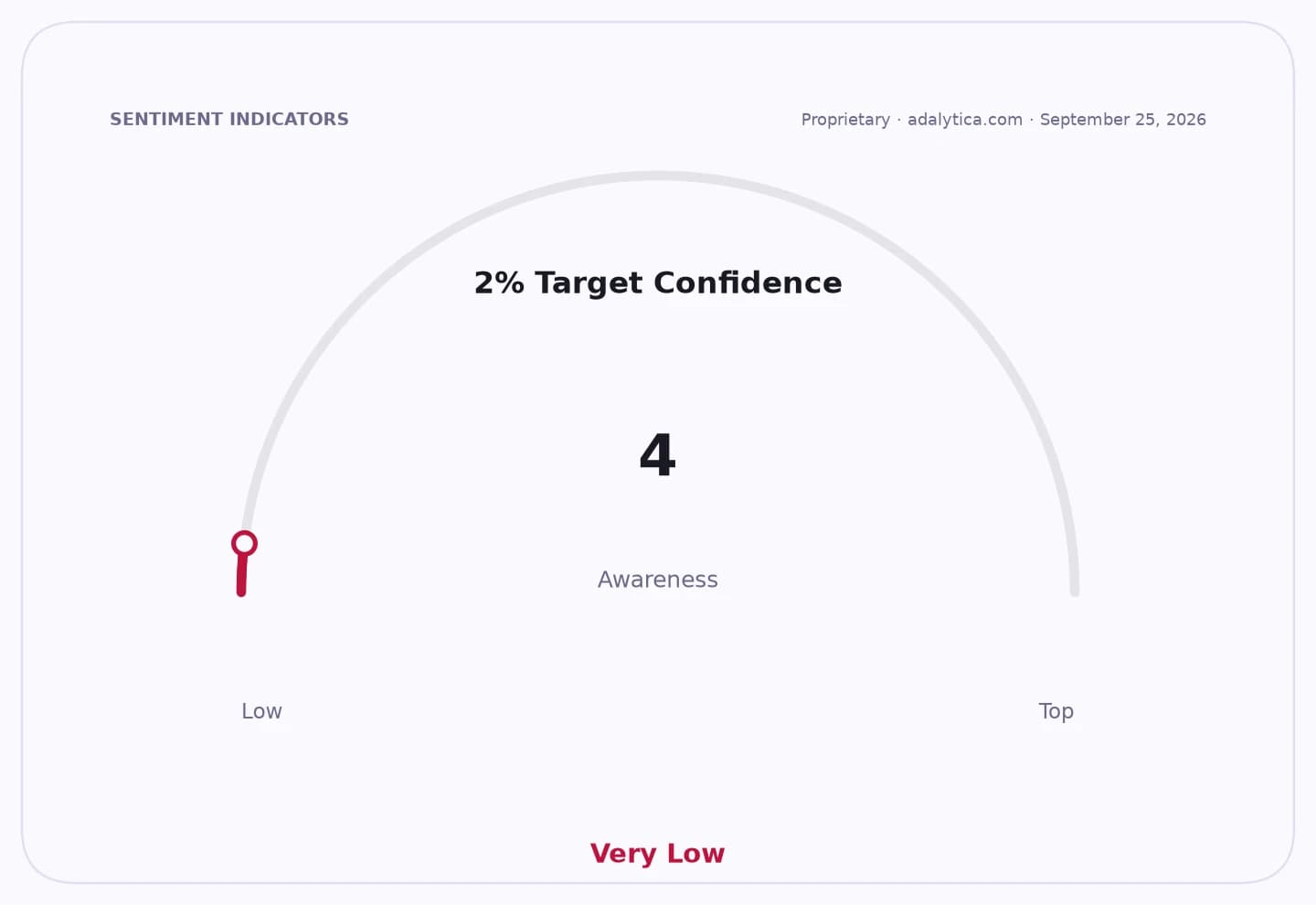
Canadian retail sales appear to be doing more than just riding an energy-price bump, and that matters because it suggests households are still spending enough to keep the economy growing even with inflation and borrowing costs in the background.
Canadian Retail Strength Signals Resilient Consumers

That is the key message investors should take from the latest read on Canadian retail activity: the strength is not being driven solely by gasoline, but by underlying demand broad enough to keep the consumer economy resilient. In a period when shoppers are normally expected to pull back as the cost of living stays elevated, that kind of spending power helps cushion growth, supports corporate revenues and reduces the odds of a sharper slowdown.
Sentiment IndicatorsⓘProprietary · adalytica.com · July 25, 2026
This is a snapshot — live sentiment, awareness and momentum for 130+ markets update continuously in the dashboard.Open AlphaPulse

The broader macro backdrop is not exactly friendly. U.S. Treasury yields have been hovering around the mid-4% range, a reminder that global borrowing costs remain restrictive, while inflation pressures are still present enough to keep central banks cautious. Yet the Canadian retail data point to consumers who have not fully cracked under the pressure. The implied monthly trend through June suggests sales are continuing to edge higher, with the forecast for July pointing to another gain. That is not the profile of an economy in distress.
For investors, the distinction matters. If retail strength were only a fuel-price story, it would be much less durable and much less useful as a signal for long-term positions. But when spending holds up across the broader consumer base, it supports a more constructive case for Canadian consumer-linked names, retailers, logistics firms and lenders exposed to household activity. It also suggests the Bank of Canada may have a little more room to stay patient on policy, rather than rush toward easier settings.
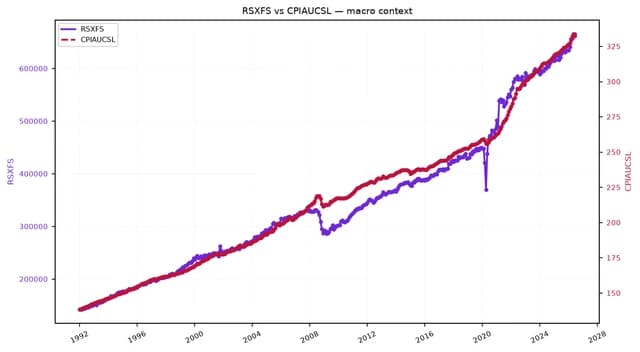
That said, the market is right to be selective. Consumer confidence signals are still fragile, and sentiment readings in the broader spending backdrop remain subdued even as actual retail data improve. That gap tells you shoppers may be feeling pressured even if they are still opening their wallets. In other words, the consumer is resilient, but not invincible.
For long-term investors, the takeaway is simple: watch whether this strength broadens beyond energy-linked categories and into discretionary spending. If it does, Canada’s consumer economy could prove more durable than many expected, and that would be a tailwind for patient investors who own high-quality businesses with pricing power, balance-sheet strength and recurring demand. That kind of resilience is worth watching, and in a volatile market, it can be an opportunity.
| Entity | Gains | Losses |
|---|---|---|
| Canadian retailers | ▲Stronger sales volumes | ▼Less of a demand slowdown |
| Consumers with stable incomes | ▲More buying power | ▼Less protection from inflation |
| Bank of Canada | ▲More time to assess growth | ▼Pressure to cut too quickly |
| Cautious investors | ▲Better case for select stocks | ▼Harder case for recession bets |