Car rentals in the most expensive U.S. cities are becoming less of a travel convenience and more of a pricing power story, and that matters because the industry is now pulling revenue from a tighter supply backdrop even as broader travel demand stays resilient.
Car rentals show pricing power in travel hubs
The key message for investors is not just that some cities cost more to rent a car in — it is that the rental industry keeps proving it can reprice a scarce asset upward when travelers have few alternatives. That is the kind of economics that supports margins, cash flow and equity rerating for the best-positioned operators, even if headline demand is uneven.
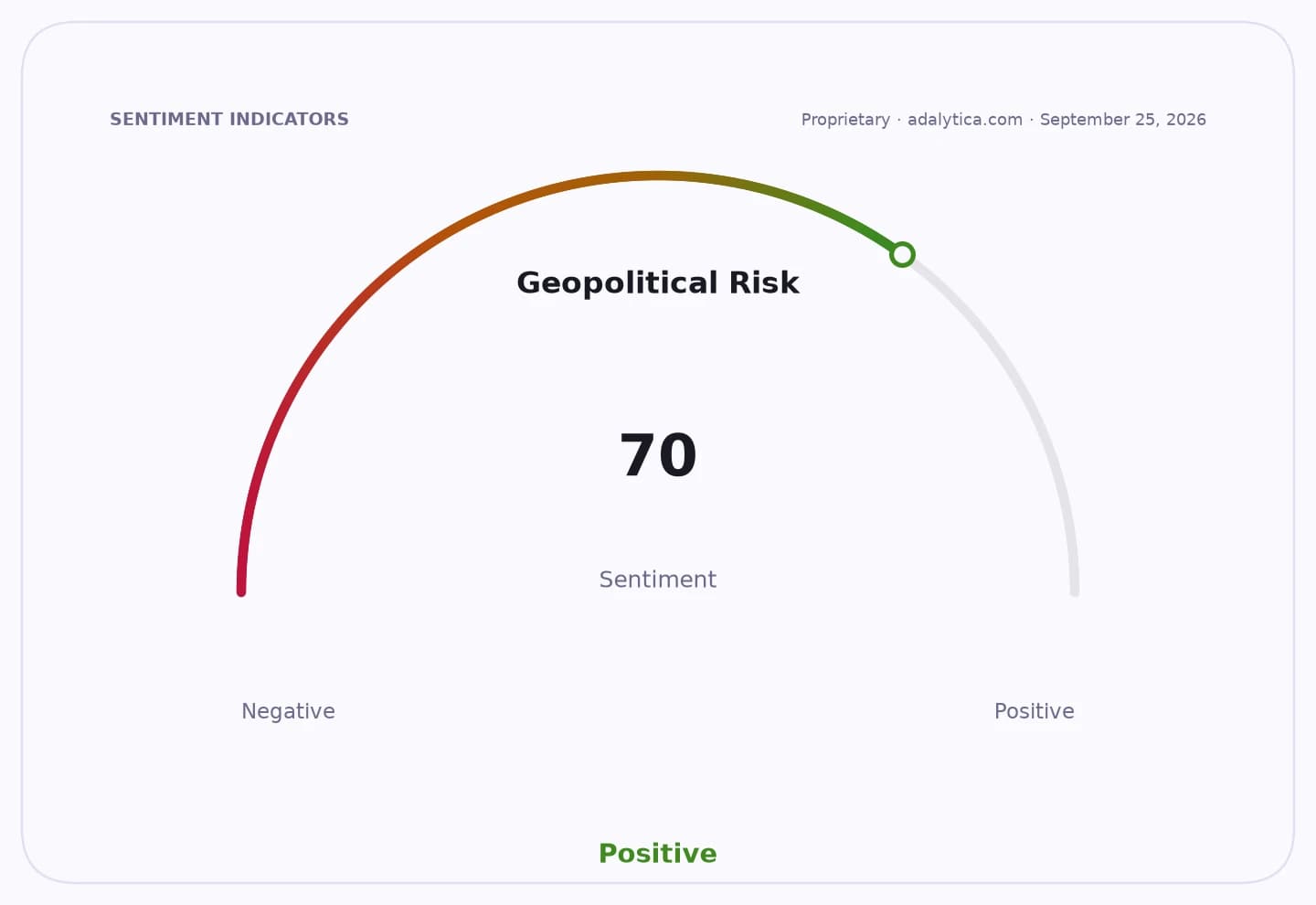
Sentiment IndicatorsⓘProprietary · adalytica.com · July 18, 2026
This is a snapshot — live sentiment, awareness and momentum for 130+ markets update continuously in the dashboard.Open AlphaPulse
The macro backdrop helps explain why. Consumer prices are still elevated versus pre-pandemic levels, with the CPI running far above where it sat in prior cycles, while the travel economy continues to absorb those higher costs. At the same time, U.S. housing starts remain soft relative to recent peaks, a reminder that capital-intensive sectors are still operating in a supply-constrained environment. In car rental, that scarcity shows up in fleet discipline, airport fees, insurance add-ons and local market bottlenecks — all of which feed higher quoted prices in the biggest travel hubs.
That is where the stock market narrative gets interesting. Hertz and Avis have both been volatile, but the divergence in their technical setups reflects a market that is still trying to decide whether rental pricing is a durable earnings engine or just a post-pandemic spike. Avis Budget Group has held up far better than Hertz, with its share price still well above its longer-term moving average, while Hertz has collapsed back toward penny-stock territory. In plain English: investors are rewarding the operator they think can convert tight supply into sustained returns, and punishing the one they believe is losing control of its balance sheet and fleet economics.
There is also a broader travel thesis here that the market may be underestimating. When car rental gets expensive in the most visited U.S. cities, travelers do not simply stop moving — they change behavior. They book farther ahead, shift to ride-hailing, shorten trips, or lean into bundled travel products. That reshapes who captures the wallet share. Airports, hotel chains, online travel agencies and fleet operators with stronger pricing discipline all stand to benefit, while smaller or more levered players get squeezed.
The equity signal reinforces that divide. Avis Budget Group’s share price has recovered sharply from its spring lows, while its 200-day moving average remains a more constructive anchor than Hertz’s. Hertz, by contrast, is trading with deeply oversold readings in conventional technical indicators such as RSI, alongside a weak trend profile that suggests the market is still pricing in operational stress, not a clean turnaround.
For investors, the actionable takeaway is simple: the expensive-rental-city story is really a pricing-power story, and pricing power is where the best returns live in travel. I believe the smarter trade is to own the operators and infrastructure beneficiaries that can monetize scarcity — and avoid the names that only survive when cars are cheap and abundant. In a travel market where convenience is increasingly being taxed, the winners are the ones with the strongest fleets, the best airport access and the most disciplined capital allocation.
| Entity | Gains | Losses |
|---|---|---|
| Avis Budget Group (CAR) | ▲Pricing power | ▼Price-sensitive travelers |
| Hertz (HTZ) | ▲Volatility traders | ▼Equity holders |
| Airports and travel hubs | ▲Ancillary revenue | ▼Budget renters |
| Travelers in major U.S. cities | ▲Convenience and mobility | ▼Higher trip costs |