Paying only the minimum on a credit card can make the balance fall far more slowly than borrowers expect because most of that monthly payment goes to interest, not principal, and the cost of carrying the debt is still anchored to relatively high market rates.
High Card APRs Keep Consumer Credit Stress Elevated
That matters because household debt service is a drag on consumption, savings and credit quality at the same time. With the two-year Treasury yield around 4.28% and the 10-year near 4.64%, policy and borrowing costs remain elevated by post-pandemic standards, while the federal funds rate is still around 3.63%. Even if benchmark rates have eased from the peaks of the last tightening cycle, card balances typically reset far above those levels, which keeps financing charges stubbornly expensive for consumers revolving debt.
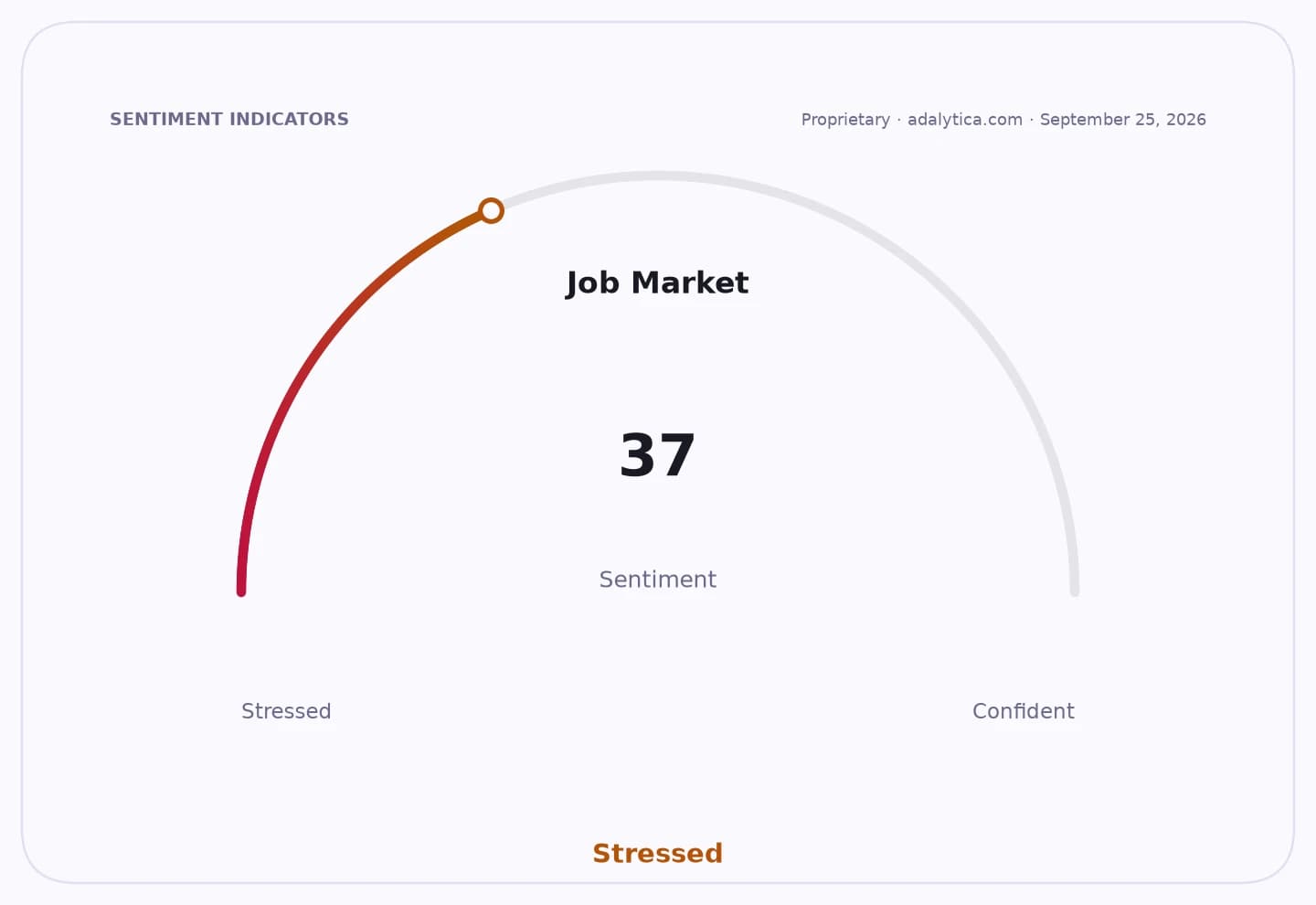
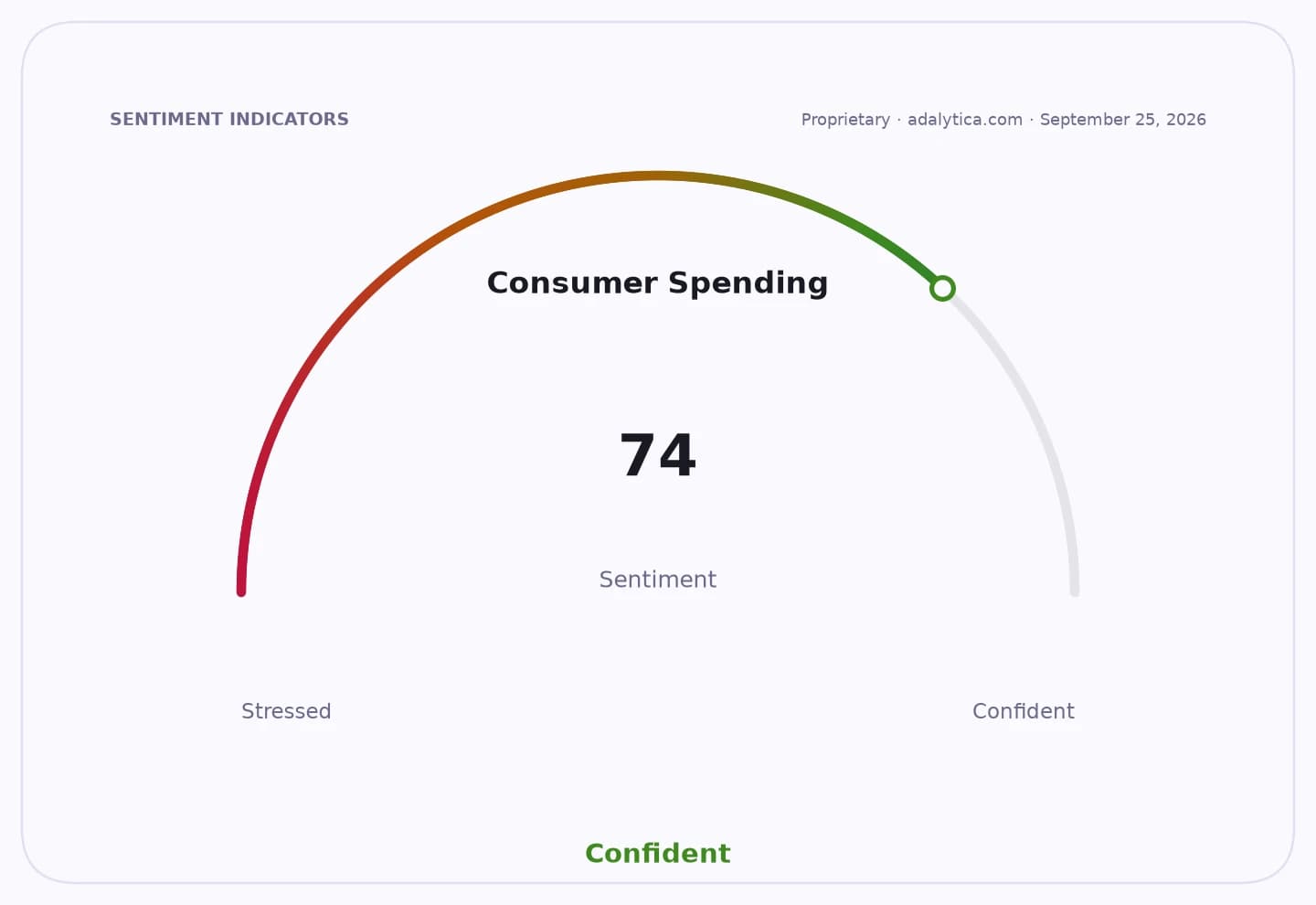
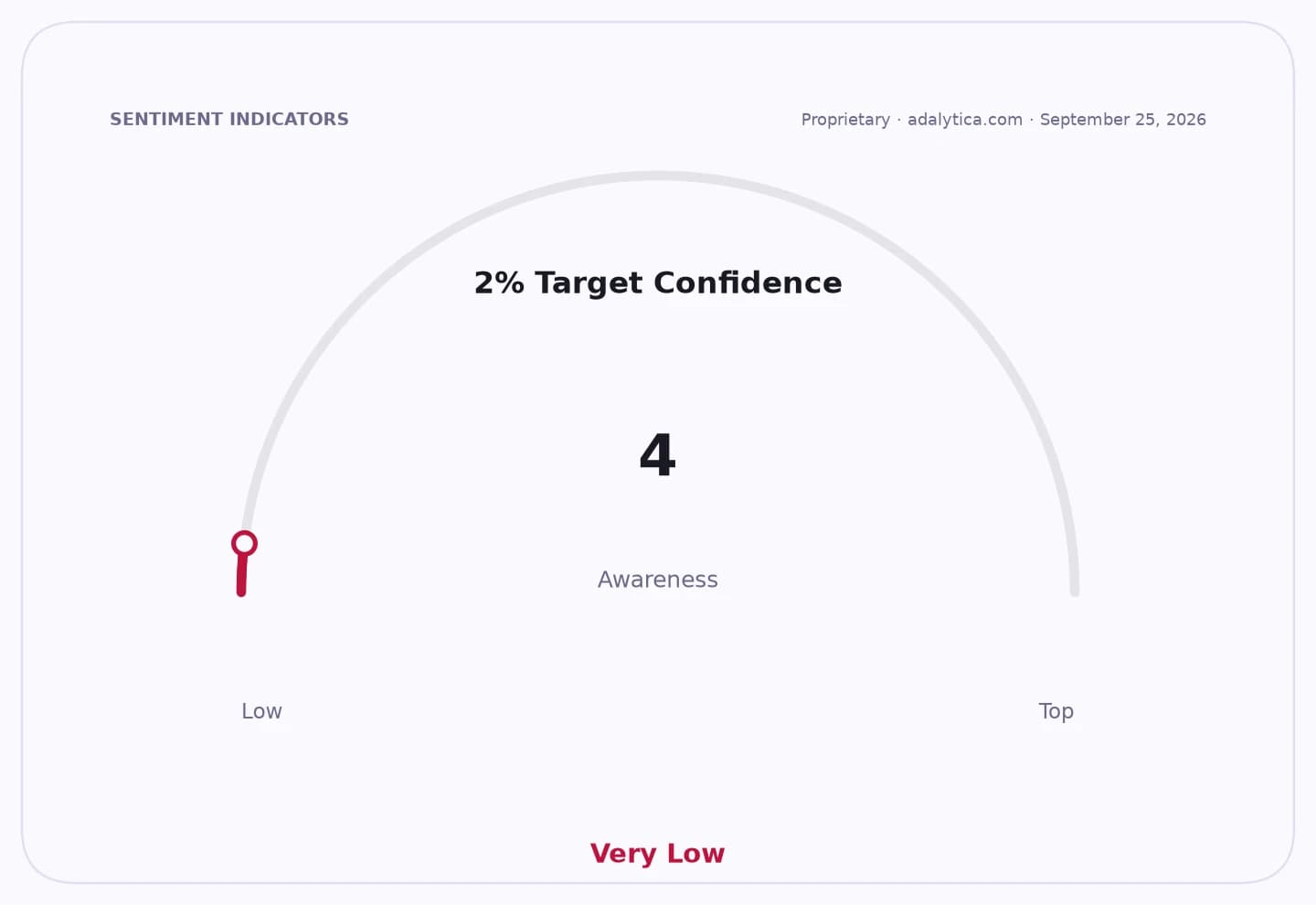
Sentiment IndicatorsⓘProprietary · adalytica.com · July 23, 2026
This is a snapshot — live sentiment, awareness and momentum for 130+ markets update continuously in the dashboard.Open AlphaPulse
For cardholders, the arithmetic is unforgiving. Minimum payments are usually calculated as a small percentage of the balance, often with a floor amount, so a borrower can remain current while barely reducing principal. On a balance charging high annual interest, the first several payments mostly cover finance charges and fees. That means the payoff timeline stretches dramatically, and the total cost of the purchase can far exceed the original price. For households already dealing with inflation pressure, that can create a slow-motion squeeze: less cash available for essentials, more reliance on credit, and a higher risk of slipping into delinquency if an income shock hits.
The investor implication is that the credit cycle does not improve as quickly as headline rate cuts might suggest. Capital One and Synchrony Financial, two major consumer lenders, both showed share-price weakness after recent swings, even as their longer-term technicals remain mixed, a reminder that markets are still balancing profitable lending against signs of consumer stress. Capital One’s stock closed at $201.36 on July 22, below its 200-day moving average of $206.29, while Synchrony ended at $72.81, also just under its 200-day average of $73.84. Those levels do not by themselves signal a fundamental break, but they do reflect caution around consumer credit performance and net charge-offs.
The broader backdrop is also not uniformly supportive. Adalytica’s S&P 500 trade-signal snapshot shows neutral sentiment, while Treasury-bond signals point to extreme fear in bonds even as awareness has risen, suggesting investors are still wrestling with the path of rates rather than assuming a clean easing cycle. That combination keeps refinancing relief from becoming broad-based. In practice, borrowers who carry revolving balances are more likely to benefit from direct repayment strategies than from waiting for macro rates to do the work.
The most effective ways to cut the interest burden are straightforward: pay more than the minimum, pay before the statement closing date if possible, and target the highest-rate balance first. Balance transfers can help if the borrower qualifies for a promotional rate and avoids new spending on the old card. Debt consolidation loans may work for borrowers with decent credit, but only if the new rate is meaningfully lower and the repayment term is not stretched so far that total interest rises again. For some households, an emergency budget reset matters more than any product shift: pausing card use, automating extra principal payments and funneling windfalls such as tax refunds or bonuses into the balance can shorten the payoff window materially.
The main takeaway for investors is that consumer credit quality will likely stay sensitive to wage growth, job stability and rate cuts that actually feed through to card APRs. Until then, minimum payments are less a solution than a postponement, preserving account performance in the near term while allowing interest to compound into a longer and more expensive debt burden.
| Entity | Gains | Losses |
|---|---|---|
| Credit card issuers | ▲Interest income | ▼Faster payoff |
| Revolving borrowers | ▲Short-term payment relief | ▼Principal reduction |
| Balance-transfer borrowers | ▲Lower promotional rates | ▼Transfer fees if undisciplined |
| Lenders and investors | ▲Current account performance | ▼Rising delinquency risk |