Carvana’s biggest near-term risk is no longer just used-car demand — it is the return of fuel inflation, which can hit the company on both sides of the ledger by weakening consumers and lifting logistics costs.
Carvana $68.06 Faces Higher Fuel Costs
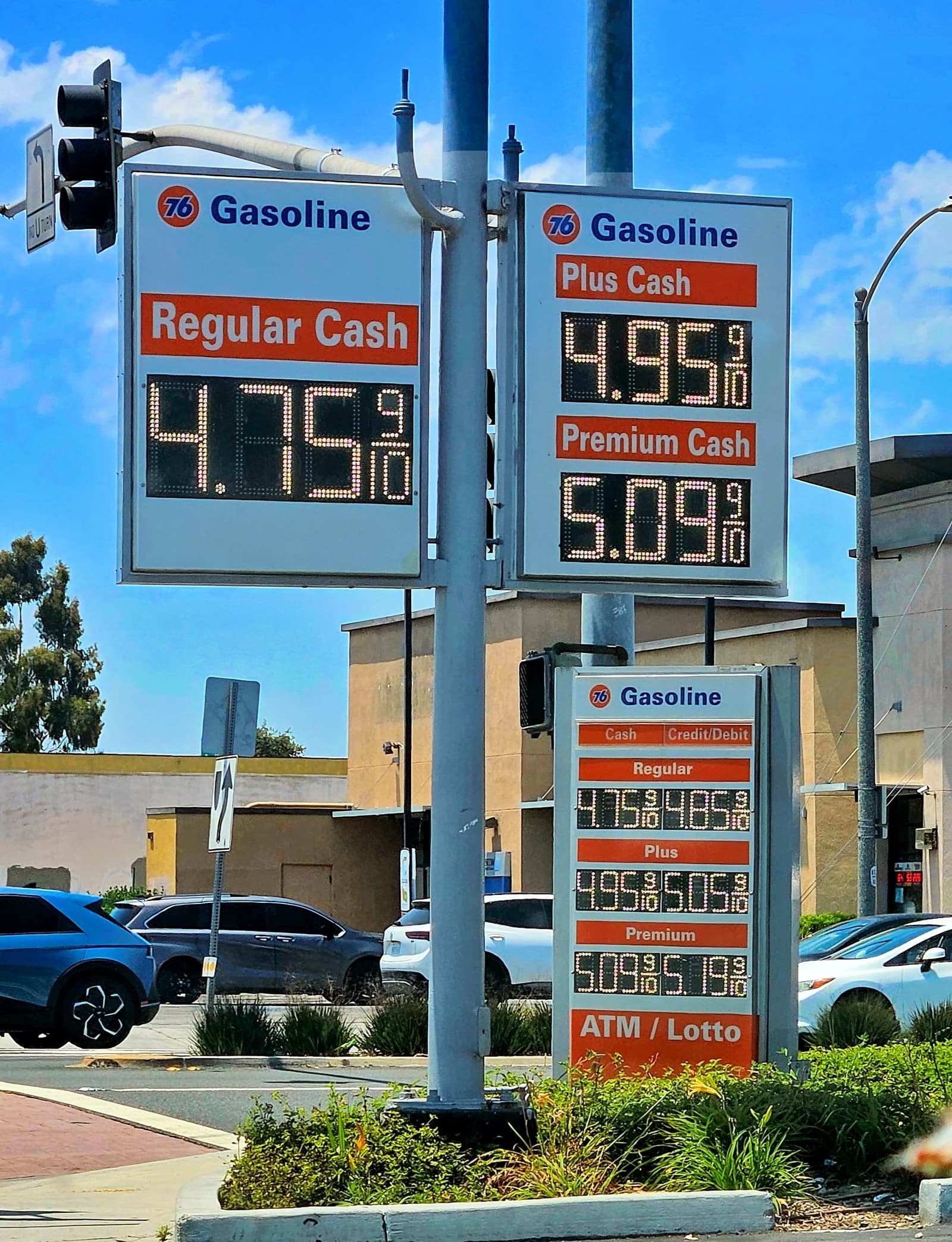
That matters because the used-car retailer has spent the past year convincing investors it can turn volume growth into durable profitability. Higher gasoline prices work against that narrative. In its latest filing, Carvana said sustained increases in gas prices, including those tied to conflict in Iran, pressure consumer disposable income and could reduce the ability to buy vehicles, while also raising transportation and logistics costs. With WTI crude recently at $84.25 a barrel and forecast to rebound to about $88.70, the fuel backdrop is moving in the wrong direction for auto retail margins.
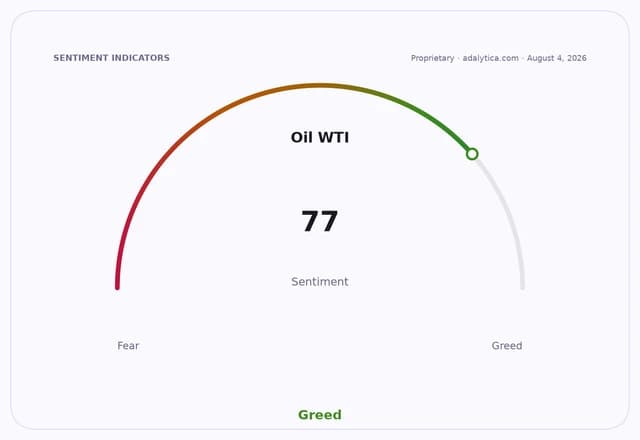
Sentiment IndicatorsⓘProprietary · adalytica.com · August 4, 2026
This is a snapshot — live sentiment, awareness and momentum for 130+ markets update continuously in the dashboard.Open AlphaPulse
The macro setup is getting worse, not better. Global oil and fuel benchmarks have firmed sharply, while Europe is facing a gas shock of its own as tighter energy supplies, heavier LNG dependence and roughly doubled gas costs threaten industrial activity. The broader message for consumers is the same: energy bills are rising at the exact moment households are still sensitive to financing costs and everyday living expenses. Carvana’s business is especially exposed because it depends on both discretionary spending and a costly physical network that moves cars across the country.
Investors should read that as a warning that the market may be underestimating how quickly operating leverage can reverse. Carvana shares have already been volatile, with the stock trading at $68.06 in the latest session after briefly pushing above its 50-day moving average, while still below the 200-day trend. The technical picture shows momentum has improved, but the fundamental risk is that rising fuel costs can slow conversion and compress gross profit per unit just as the company tries to defend its recovery story.
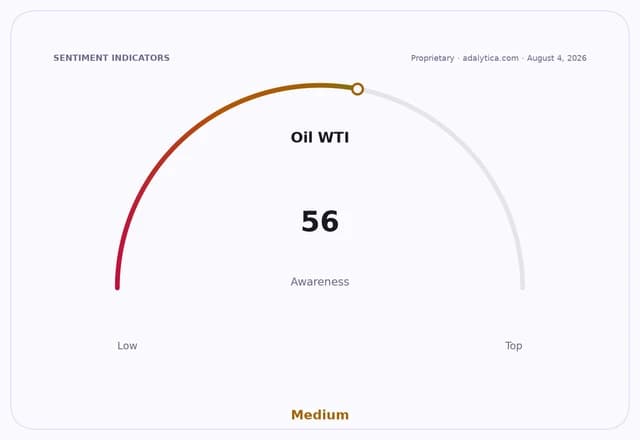
DCOILWTICO vs PPIACO — macro contextadalytica.com
Explore this data interactively — full history, time series and cross-market comparisons.Open AlphaPulse
The pressure is not limited to Carvana. CarMax, which is more mature and better diversified, is also likely to face a tougher demand environment if gasoline keeps climbing. By contrast, oil producers and energy-sensitive transport beneficiaries are positioned to gain from the same move that hurts auto retailers. That is the real trade here: energy inflation supports upstream commodities, but it can sap spending power in consumer durables and widen the gap between winners and losers across the retail auto complex.
For investors, the takeaway is simple. The market should treat Carvana less like a pure turnaround and more like a cyclical margin story with a fuel-price trapdoor underneath it. If oil keeps grinding higher, the next leg in this stock will depend less on enthusiasm for unit growth and more on whether management can preserve profitability in a harder macro environment. That makes energy exposure and margin discipline the key variables to watch now, not just sales momentum.
| Entity | Gains | Losses |
|---|---|---|
| Oil producers | ▲Higher realized prices | ▼— |
| Carvana | ▲— | ▼Lower margins, weaker demand |
| CarMax | ▲Relative scale advantage | ▼Same fuel-cost pressure |
| Consumers | ▲— | ▼Less disposable income, higher travel costs |




