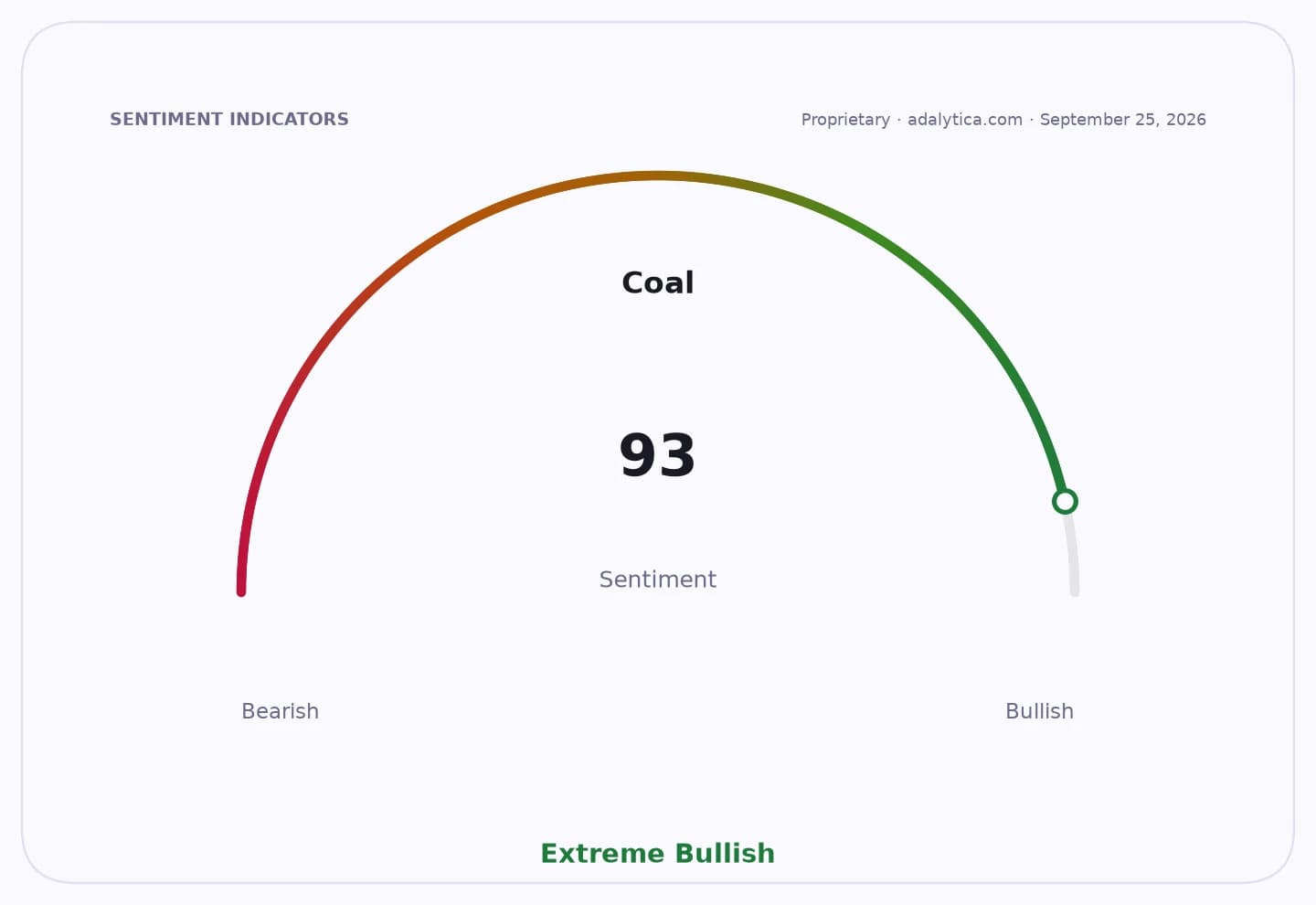
Natural gas prices are falling sharply as the market prices in a fragile American-Iranian ceasefire, and that matters because it is stripping out the geopolitical risk premium that had been supporting energy markets while reopening the debate over who benefits from lower fuel costs and who gets squeezed.
Ceasefire Eases Gas Risk Premium
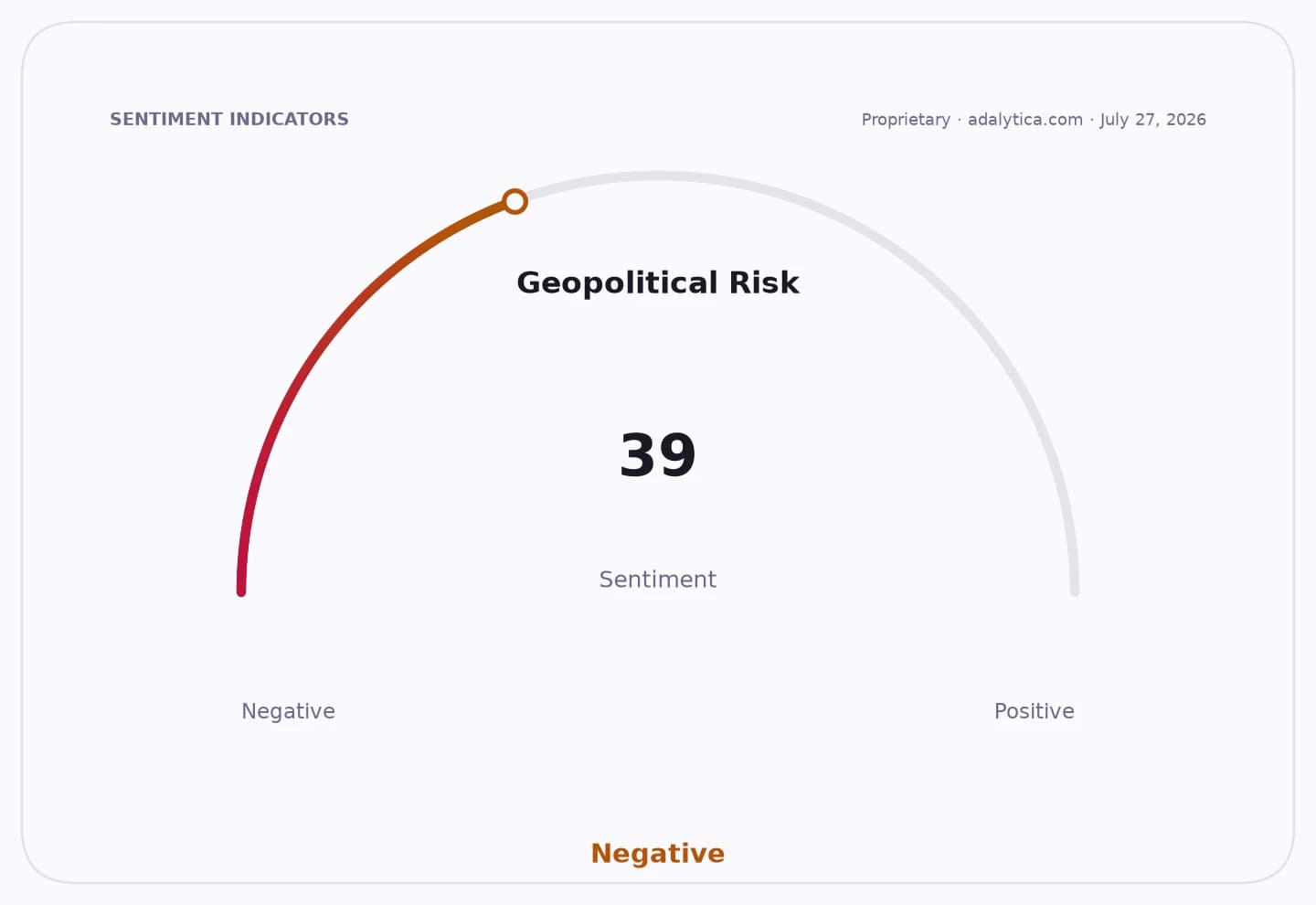
The move is a reminder that gas, like oil, is not just a supply-and-demand story; it is a geopolitical asset class. When traders believe the risk of broader Middle East disruption is easing, the first thing to come out of the price is fear. That can be a powerful force. Natural gas futures tracked by NG=F have dropped to 2.79 on July 27 from 3.34 on June 25, even after a brief spike to 7.46 in January. The UNG ETF, a widely watched proxy for gas prices, has slipped to 10.55 from 12.12 in early June, underscoring that the market is leaning toward calmer conditions rather than sustained supply shock.
That matters economically because energy is one of the fastest channels through which a ceasefire can feed into broader inflation expectations. Lower gas prices can ease utility costs, reduce feedstock pressure for industrial users and support households that have been battered by volatile fuel bills. The flip side is that any relief is highly contingent on diplomacy holding. The news backdrop still describes a ceasefire that is repeatedly violated, with mediators pushing for a 10-day pause even as strikes continue. In other words, the market is not pricing peace as much as it is pricing a temporary reduction in the odds of a regional escalation.
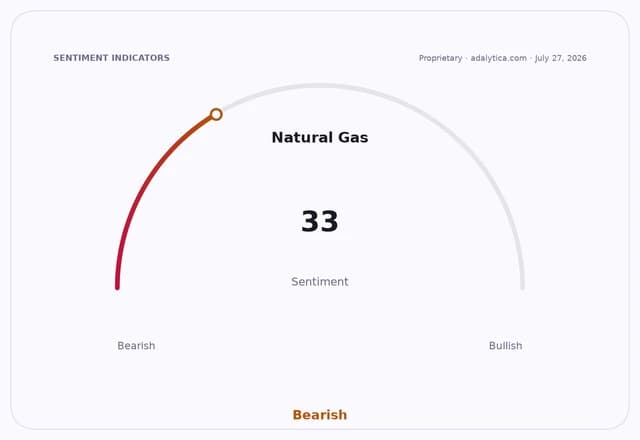
Investors should read this as a classic risk-on/risk-off pivot inside commodities. The market’s reaction says less about the current balance of supply and demand than about the probability of a tail event. Adalytica’s natural gas trade signals show sentiment at 33, neutral, while awareness remains elevated at 79, suggesting the theme is still drawing attention even as price momentum weakens. In conventional technical terms, NG=F is now trading below its 50-day moving average and its 200-day moving average, with RSI readings near 19, which points to a deeply oversold tape. That does not mean gas must bounce immediately, but it does argue the market may have overshot on the downside if the ceasefire narrative stabilizes.
The bigger investment question is who loses from a lower-risk Middle East and who gains. Producers and energy-linked equities such as Occidental Petroleum are more vulnerable if the geopolitical premium continues to unwind. OXY has held up better than gas, but the broader message is the same: lower commodity volatility can compress the upside for upstream names that benefited from fear-driven spikes. On the other side, gas consumers, industrial operators and transport-intensive businesses get a cleaner earnings backdrop if this move in fuel prices persists.
My thesis is that the market underestimates how quickly a ceasefire headline can re-rate the entire energy complex. If the truce holds even imperfectly, the next leg is likely not just lower natural gas, but lower volatility across energy, less pressure on inflation-linked assets and better multiples for sectors that consume fuel rather than produce it. But if the ceasefire breaks, the reversal could be just as violent. That asymmetry is exactly why investors should stay nimble: the opportunity is in owning the beneficiaries of lower energy costs while keeping a close watch on producers exposed to a renewed geopolitical premium.
| Entity | Gains | Losses |
|---|---|---|
| Gas consumers | ▲Lower fuel costs | ▼Less pricing fear |
| Industrial users | ▲Cheaper feedstock | ▼Less urgency to hedge |
| Energy producers | ▲Stable demand base | ▼Geopolitical premium fades |
| UNG / gas bulls | ▲Tactical bounce potential | ▼Downtrend and oversold risk deepen |