Coffee growers in Central America are facing a supply shock from El Niño-related drought, a weather-driven squeeze that is already pushing up prices and raising the risk of tighter beans availability for roasters, importers and consumers.
Central America coffee drought pushes arabica prices
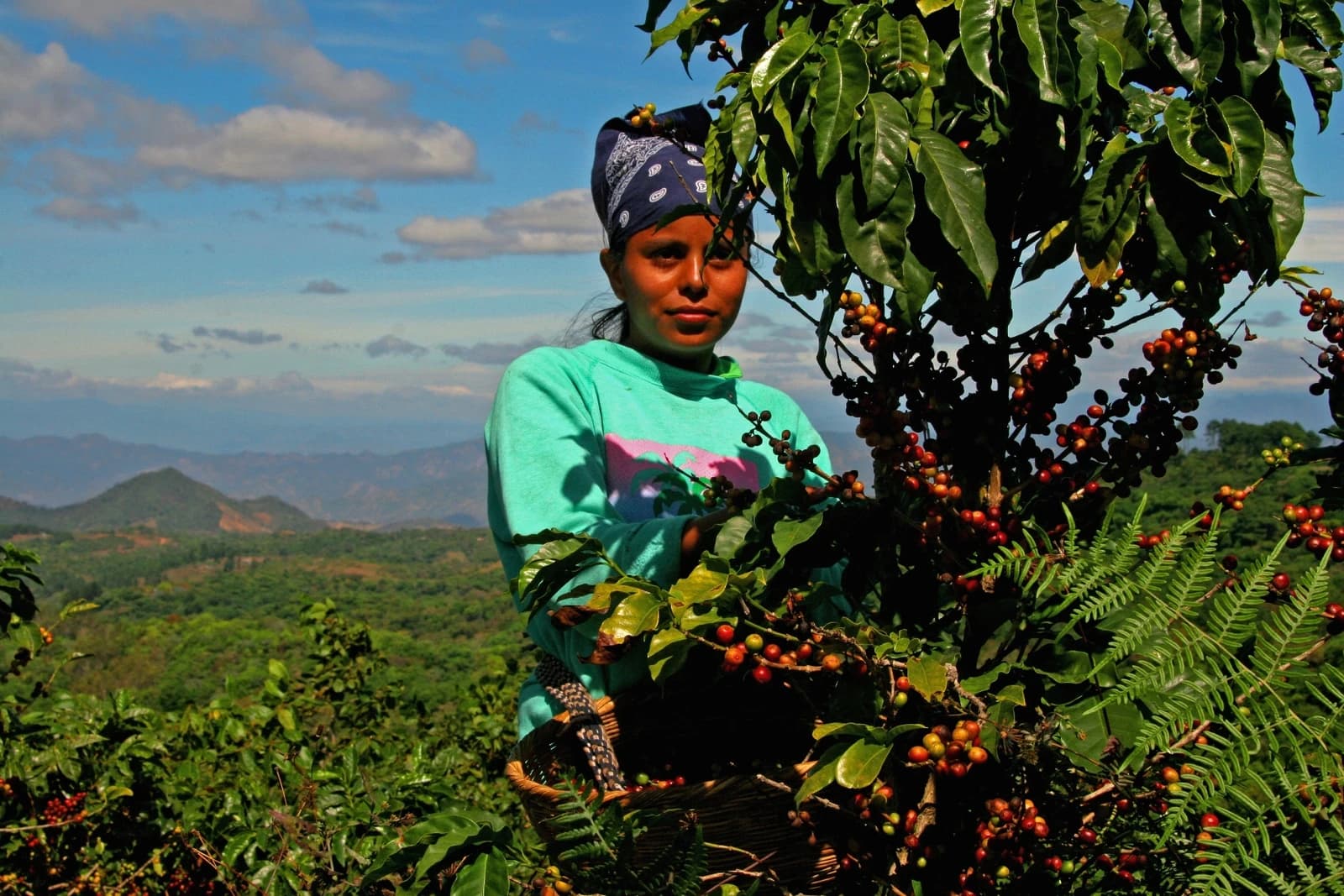
The threat matters because Central America is a key origin for arabica coffee, and drought at the wrong stage of the crop cycle can cut yields, reduce bean size and force exporters to slash shipments. That kind of shock tends to flow quickly through global supply chains, widening the gap between farmgate costs and retail prices and squeezing margins for companies that buy green coffee months before selling finished drinks.
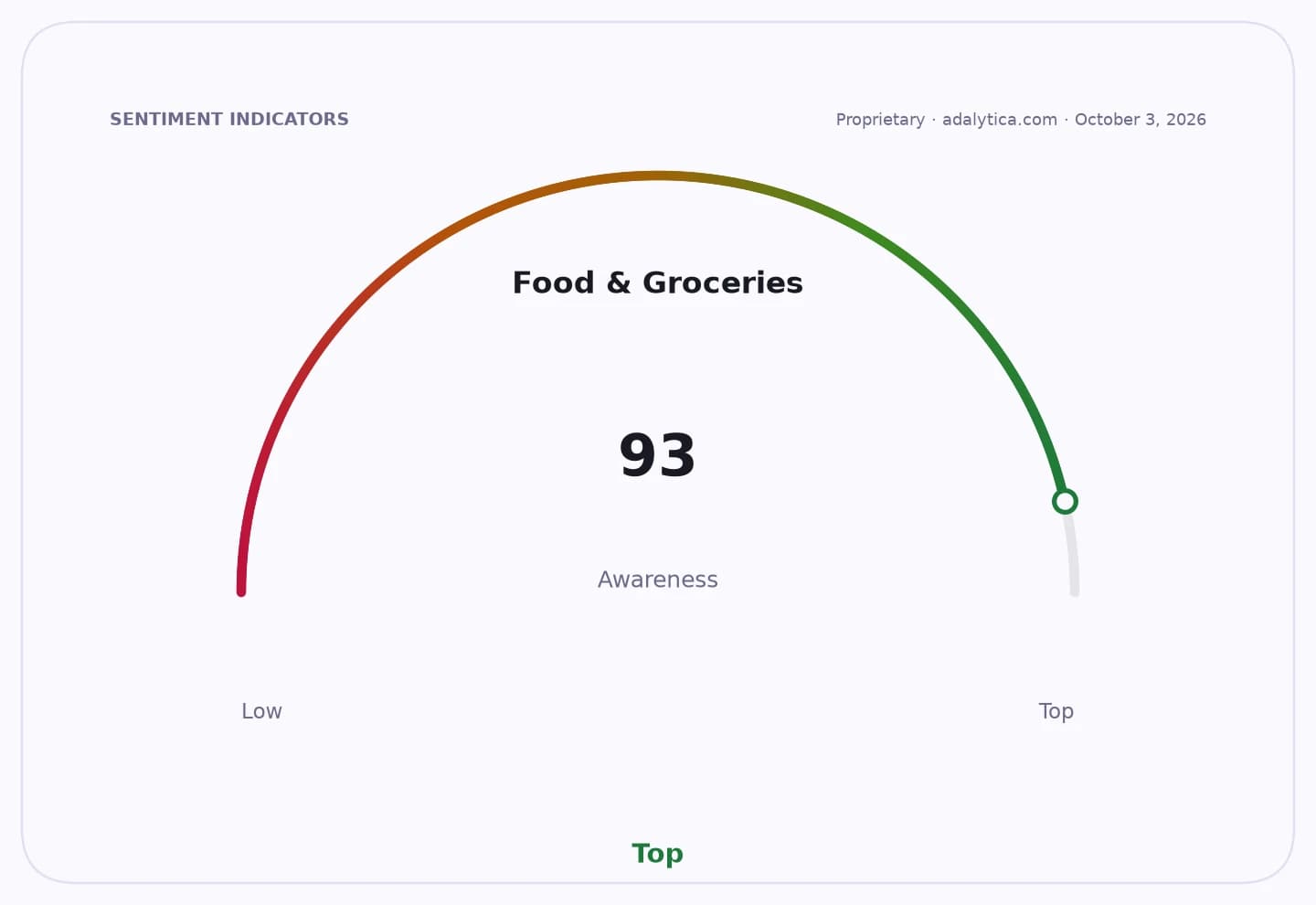
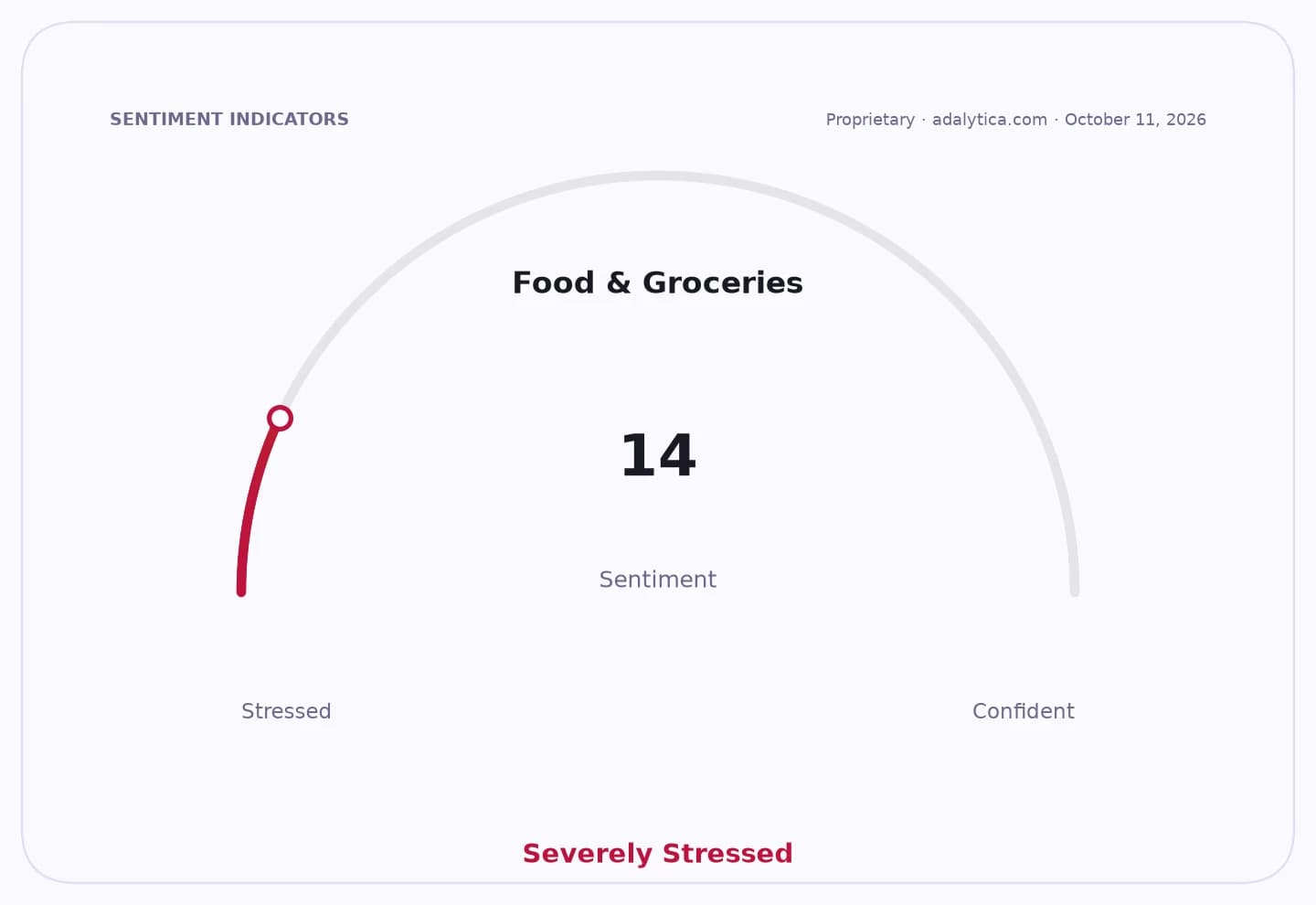
Sentiment IndicatorsⓘProprietary · adalytica.com · October 10, 2026
This is a snapshot — live sentiment, awareness and momentum for 130+ markets update continuously in the dashboard.Open AlphaPulse
Investors are watching the fallout across the coffee complex and related consumer names. Higher raw-material costs can pressure packaged coffee makers and cafe operators if they cannot pass prices through fast enough, while growers and trading houses in origin markets may benefit from stronger realized prices if harvest volumes hold up. The move also comes as broader input-cost pressures remain elevated, with producer and consumer price gauges still running well above pre-pandemic levels.
In the equity market, the message is more mixed. Starbucks and Keurig Dr Pepper sit on the wrong side of a coffee rally because both depend on a steady flow of arabica and roast-and-ground beans, even if hedging and pricing power soften the immediate blow. Starbucks shares were last around $90.75, down sharply from a recent high above $105, while KDP traded near $31.76, holding above its 200-day moving average but still vulnerable if bean costs keep climbing.
The weather story also matters because El Niño can extend beyond one season and disrupt planting, flowering and shipping schedules across the region. If drought persists, traders may start pricing in a longer period of tight supply, setting up more volatility in coffee futures and renewed pressure on beverage margins into the next harvest cycle.
| Entity | Gains | Losses |
|---|---|---|
| Central American growers | ▲Higher coffee prices | ▼Lower yields from drought |
| Coffee traders/exporters | ▲Wider pricing spreads | ▼Supply uncertainty |
| Starbucks | ▲Limited if pricing power holds | ▼Higher arabica costs |
| Keurig Dr Pepper | ▲Stronger retail pricing options | ▼Margin pressure from bean inflation |