The central bank’s plan to monitor misselling in cryptocurrency sales marks another step in the global tightening of crypto oversight, raising the cost of doing business for exchanges and brokers while aiming to reduce fraud and restore trust in a market still dogged by compliance failures.
Central bank plans crypto misselling monitoring

For investors, the significance is not just that regulators are getting tougher, but that they are moving deeper into the retail distribution side of crypto, where growth has often depended on aggressive marketing and limited disclosure. That matters economically because stricter misselling scrutiny can slow account growth, raise compliance spending and reduce the conversion of new customers at a time when crypto platforms are trying to turn trading volumes into more stable revenue.
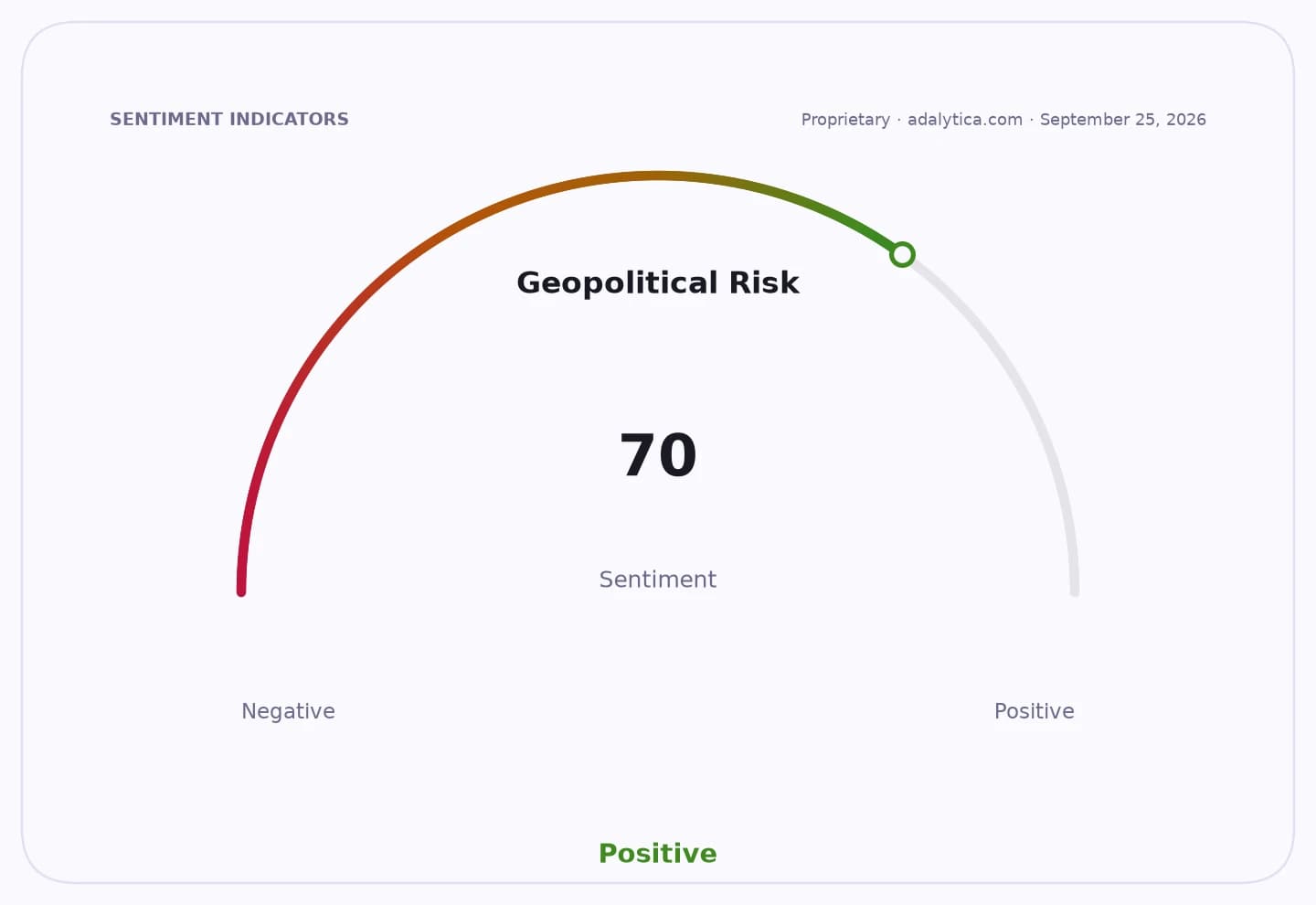
Sentiment IndicatorsⓘProprietary · adalytica.com · August 13, 2026
This is a snapshot — live sentiment, awareness and momentum for 130+ markets update continuously in the dashboard.Open AlphaPulse
The development fits a broader pattern of regulatory intervention after a series of fraud and laundering cases has sharpened political pressure to protect consumers. Authorities globally have been stepping up controls on transfers, wallet security and broker conduct, reflecting the view that the next phase of crypto regulation will focus less on whether digital assets should exist and more on how they are sold.
That shift has direct implications for listed crypto platforms such as Coinbase, as well as retail-facing brokers including Robinhood and bitcoin-heavy vehicles such as MicroStrategy. Their latest filings already flag regulatory uncertainty, operational risk and the possibility that governmental intervention could affect crypto business lines. Any move toward tougher misselling rules would reinforce those warnings by increasing disclosure obligations and potentially limiting product design, promotions and suitability standards.
The market backdrop suggests investors are already sensitive to those risks. Coinbase has fallen to about $153.90 from more than $375 in early October, while MicroStrategy has dropped to about $97.10 from roughly $300 late last year and Robinhood trades near $99.37, well below its recent highs. Technical readings on all three show the shares still below their 200-day moving averages, underscoring how quickly sentiment has reversed in crypto-linked equities as regulatory and market pressures build.
The bull case is that tighter oversight could strengthen the industry’s credibility over time by reducing fraud and drawing in more cautious capital. The bear case is that the first-order effect will be lower friction for regulators and higher friction for growth, especially for firms whose business models depend on fast onboarding and heavy trading activity.
What matters next is whether this monitoring stays at the level of supervision or turns into explicit rules on disclosures, suitability checks and sales practices. If it does, the winners are likely to be better-capitalized platforms with stronger compliance systems; the losers could be smaller exchanges, aggressive marketers and investors who have relied on a lightly policed market to do the selling for them.
| Entity | Gains | Losses |
|---|---|---|
| Central bank | ▲Consumer protection credibility | ▼Political blowback if enforcement is weak |
| Large exchanges | ▲Stronger trust over time | ▼Higher compliance costs |
| Retail brokers | ▲Clearer rules, lower fraud risk | ▼Slower crypto customer growth |
| Crypto speculators | ▲Safer market access | ▼Easier product sales, leverage and promotion |