Treasurer Jim Chalmers is framing artificial intelligence as more than a tech theme: he is treating it as a macroeconomic lever that could lift Australia’s sluggish productivity and, over time, ease pressure on interest rates.
Chalmers Frames AI as Productivity Path to Lower Rates

That matters because the Reserve Bank’s policy path ultimately depends on whether the economy can grow faster without reigniting inflation. If AI raises output per worker, businesses can expand capacity without matching wage and cost growth, which would help keep price pressures contained and give the central bank more room to cut. In a high-rate environment, that is a politically and economically potent argument: stronger productivity is one of the few ways to improve living standards without relying on demand destruction.
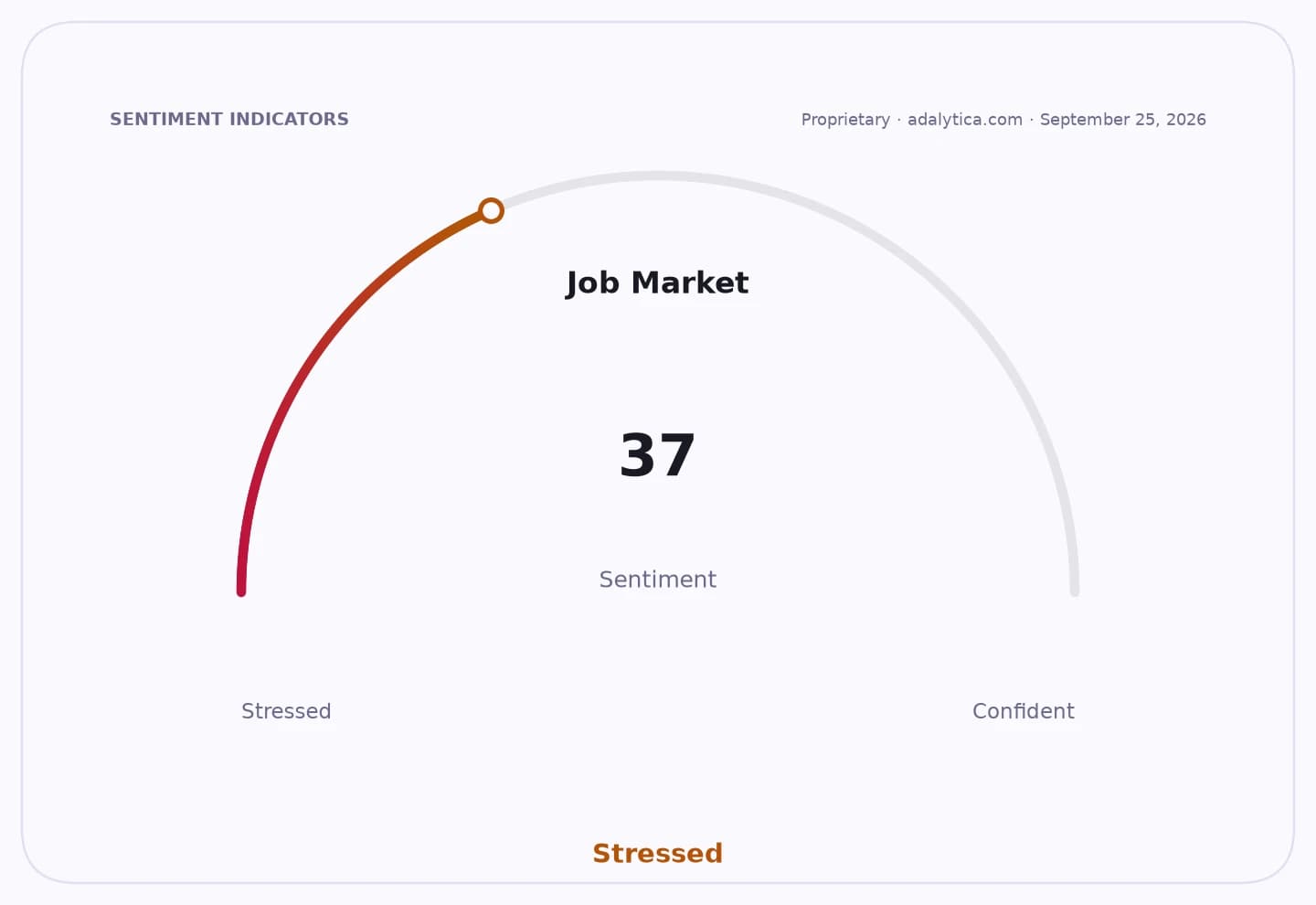
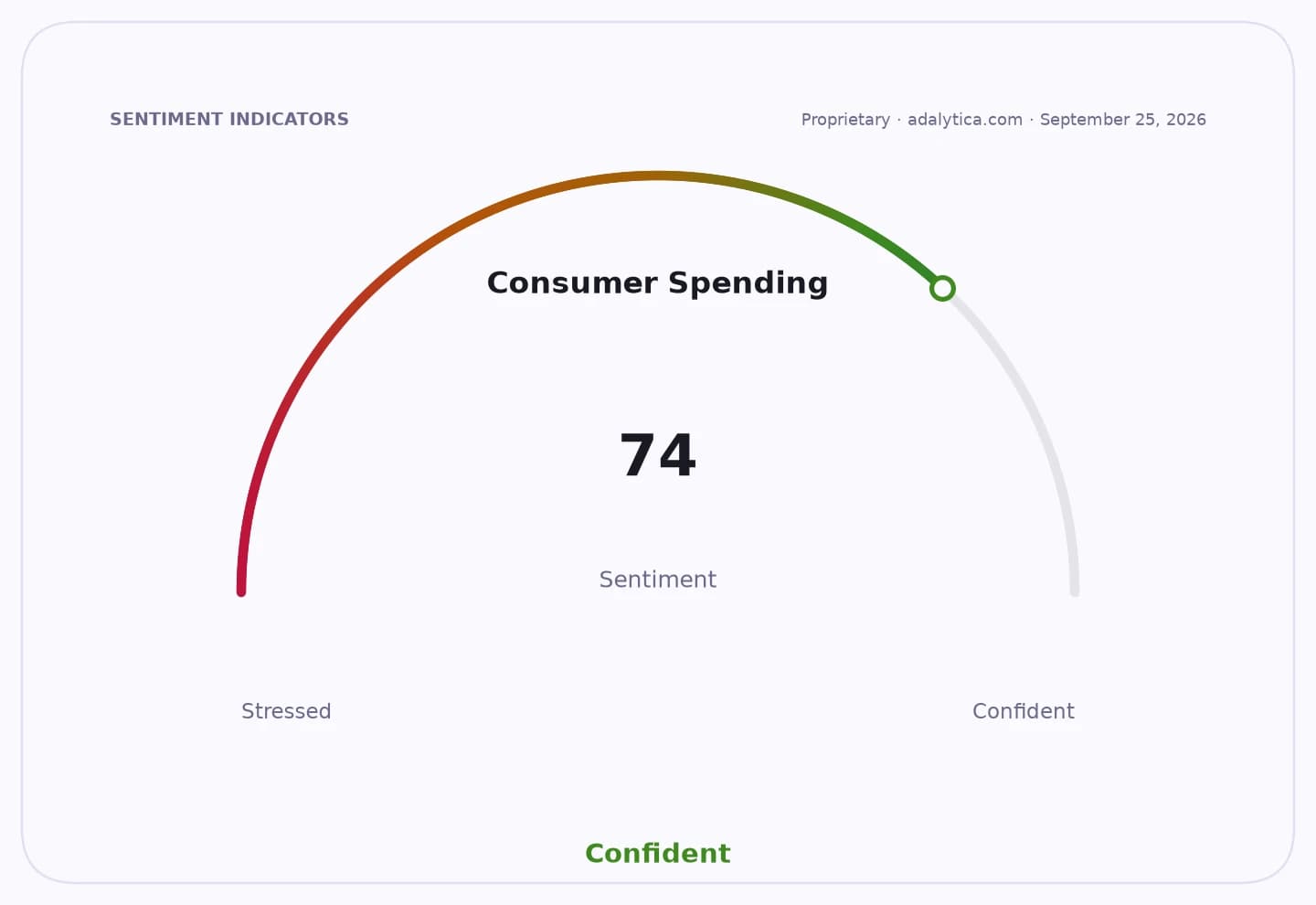
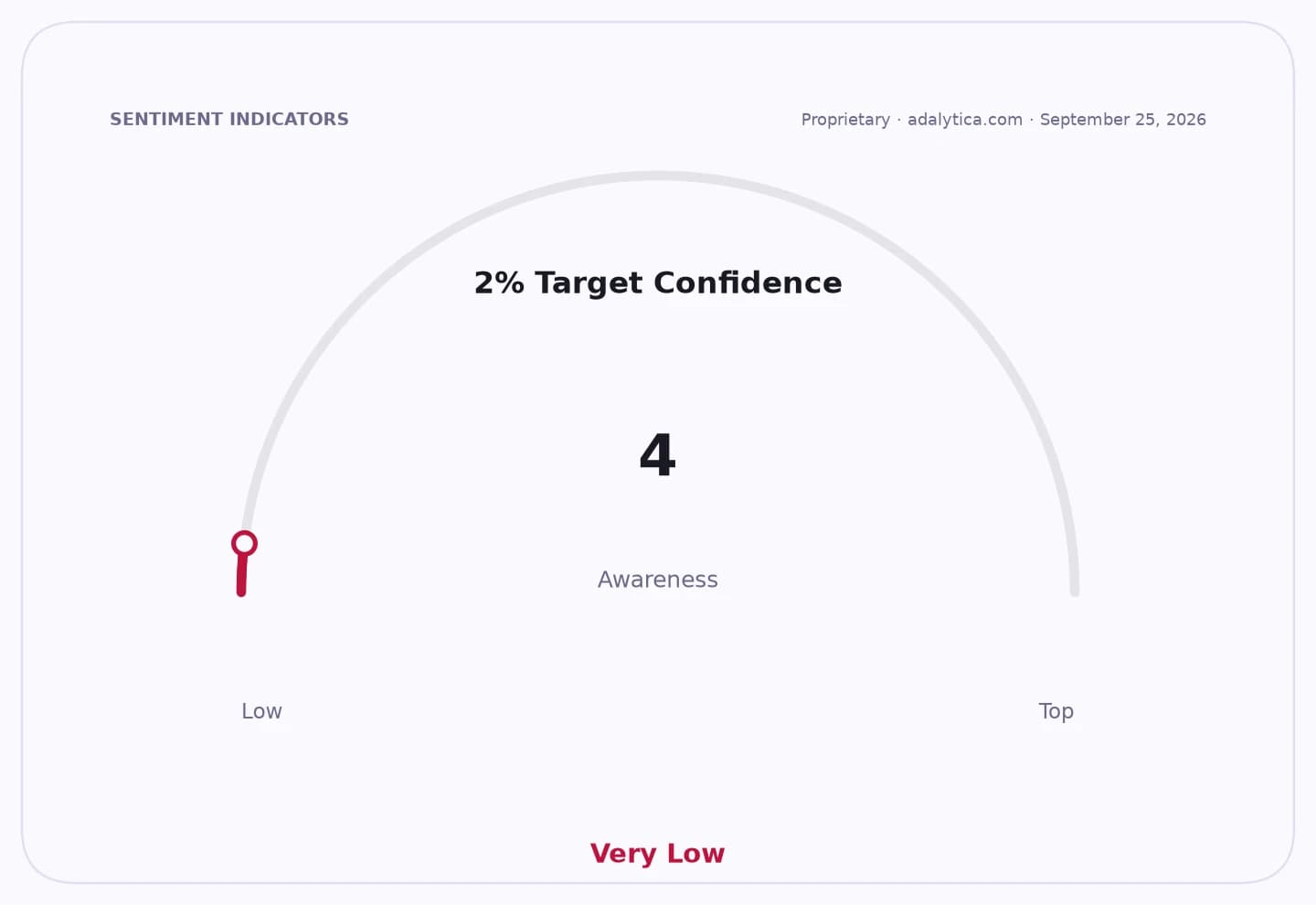
Sentiment IndicatorsⓘProprietary · adalytica.com · July 17, 2026
This is a snapshot — live sentiment, awareness and momentum for 130+ markets update continuously in the dashboard.Open AlphaPulse

The story is also bigger than domestic policy rhetoric. Across advanced economies, governments are increasingly presenting AI as an industrial-policy tool rather than a narrow technology upgrade. South Korea, for example, has raised its 2026 growth outlook on the back of AI-driven semiconductor demand, while investing in AI and chip projects to boost potential growth. The common thread is that AI is being sold not just as a source of capital spending, but as a way to break through years of weak productivity growth that have kept real wages and monetary policy constrained.
For Australia, the implication is that Chalmers is trying to shift the national conversation from interest rates as a purely central-bank problem to productivity as a whole-economy problem. That reframing matters to investors because it touches the entire rates curve, corporate profit margins and the valuation of growth sectors. A credible productivity lift would support the case for lower cash rates, cheaper funding costs and a more durable earnings backdrop for rate-sensitive parts of the market.
Markets are already discounting a world in which AI remains a dominant investment theme. U.S. technology leaders have been pouring capital into AI infrastructure, even as earnings filings show the costs of that build-out are heavy in the near term. Microsoft’s latest results pointed to higher spending on AI infrastructure, while Nvidia and Alphabet continue to sit at the center of the AI supply chain and platform stack. That reinforces the scale of the bet Chalmers is implicitly endorsing: if AI works as advertised, the payoff is not just for chipmakers and cloud vendors, but for the wider economy through higher efficiency.
The bullish case is straightforward: AI adoption could help Australian firms automate routine tasks, improve capital allocation and narrow the gap between wage growth and unit labor costs. That would support disinflation, strengthen real incomes and eventually justify lower borrowing costs. The bearish case is that productivity gains arrive slowly, unevenly and only after heavy upfront investment, while the near-term effect is more spending on software, data centers and training rather than immediate economic relief.
Investors should watch whether AI policy in Australia moves from speeches to incentives, infrastructure and workforce measures. If it does, the market implications could spread beyond tech to banks, retailers, industrials and the broader rates-sensitive sectors that would benefit most from a less inflationary growth profile. For now, Chalmers is making a clear bet: AI is not just part of the growth story, it may be one of the few credible paths to lower rates.
| Entity | Gains | Losses |
|---|---|---|
| Australian borrowers | ▲Lower funding costs | ▼Less relief if productivity stalls |
| AI adopters | ▲Higher efficiency | ▼Upfront investment burden |
| Reserve Bank of Australia | ▲More room to ease | ▼Less policy flexibility if inflation persists |
| Rate-sensitive equities | ▲Valuation support | ▼Depend on growth translating into cuts |