Diesel is getting 65 öre cheaper right now, and that matters because every reduction in pump prices feeds quickly into transport costs, freight margins and the broader cost of moving goods across the Nordic region.
Cheaper Diesel Lifts Hauliers, Keeps Oil Volatility in Focus
For truckers, the immediate benefit is obvious: Sweden’s diesel is still cheap enough to pull traffic in from neighboring markets, keeping the country a refueling stop for cross-border hauliers even after a recent run-up in prices. For the economy, the cut eases pressure on a sector that sits at the center of distribution, food logistics and industrial supply chains. Lower diesel can filter through to freight rates and, eventually, to goods prices.
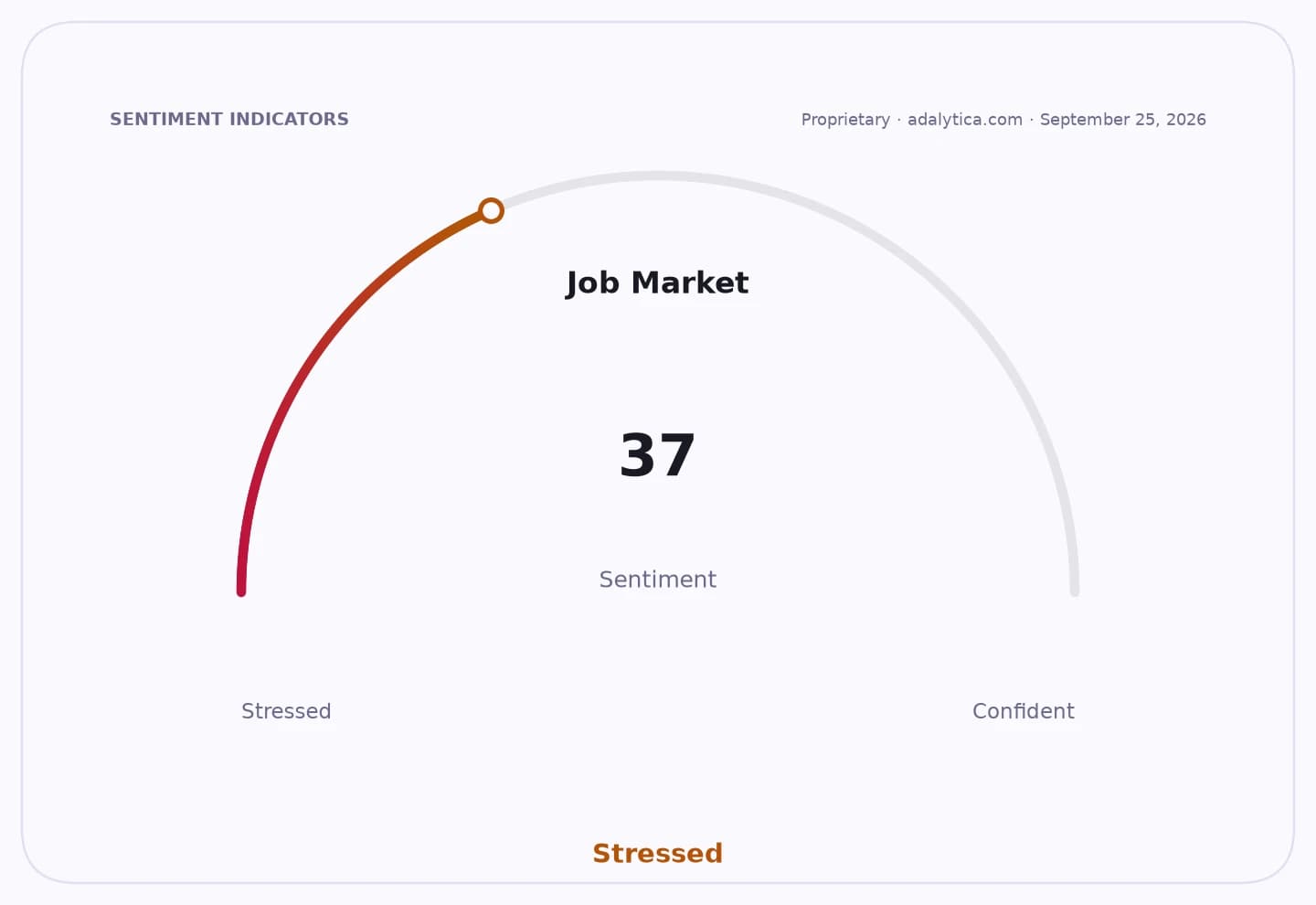
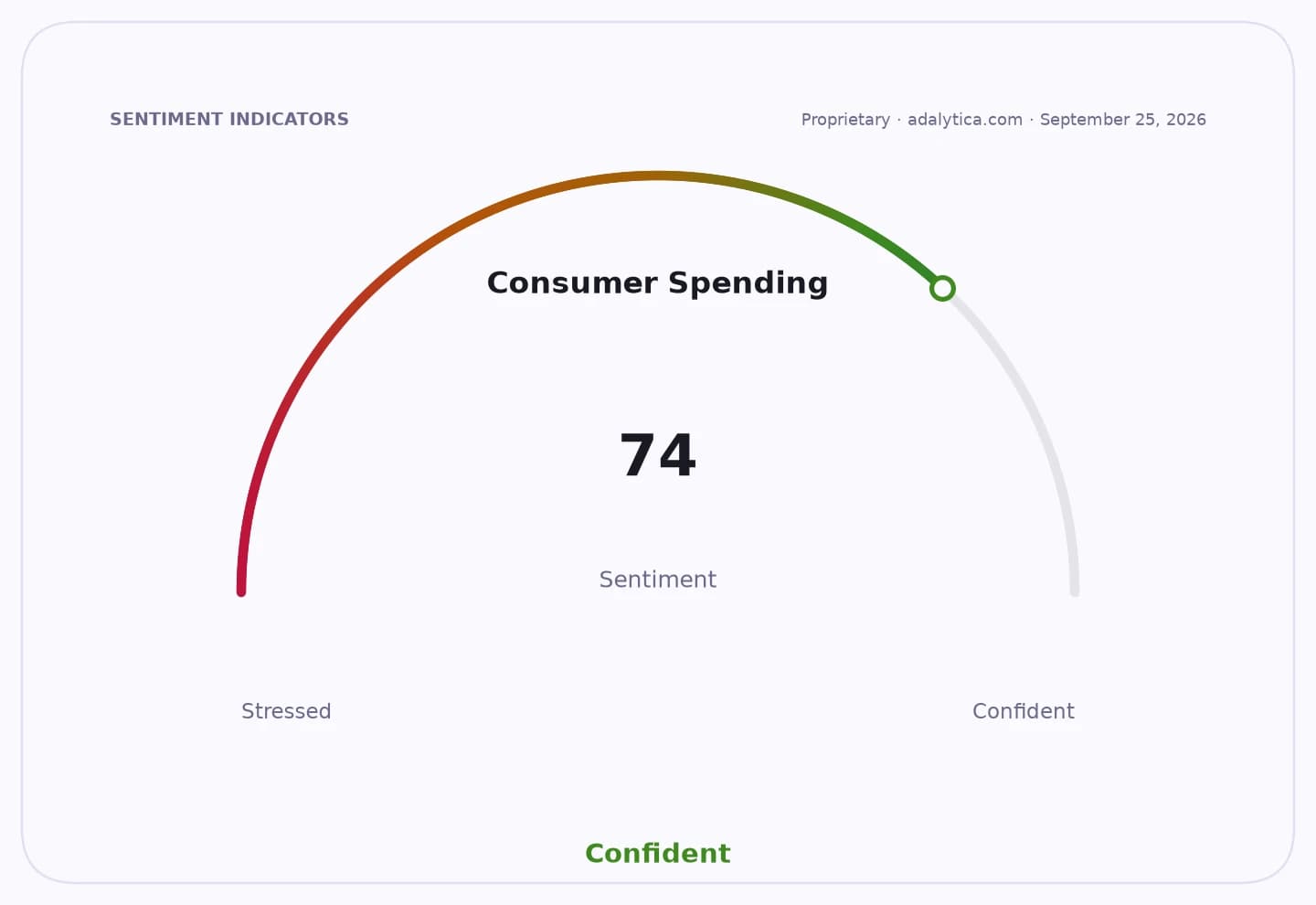
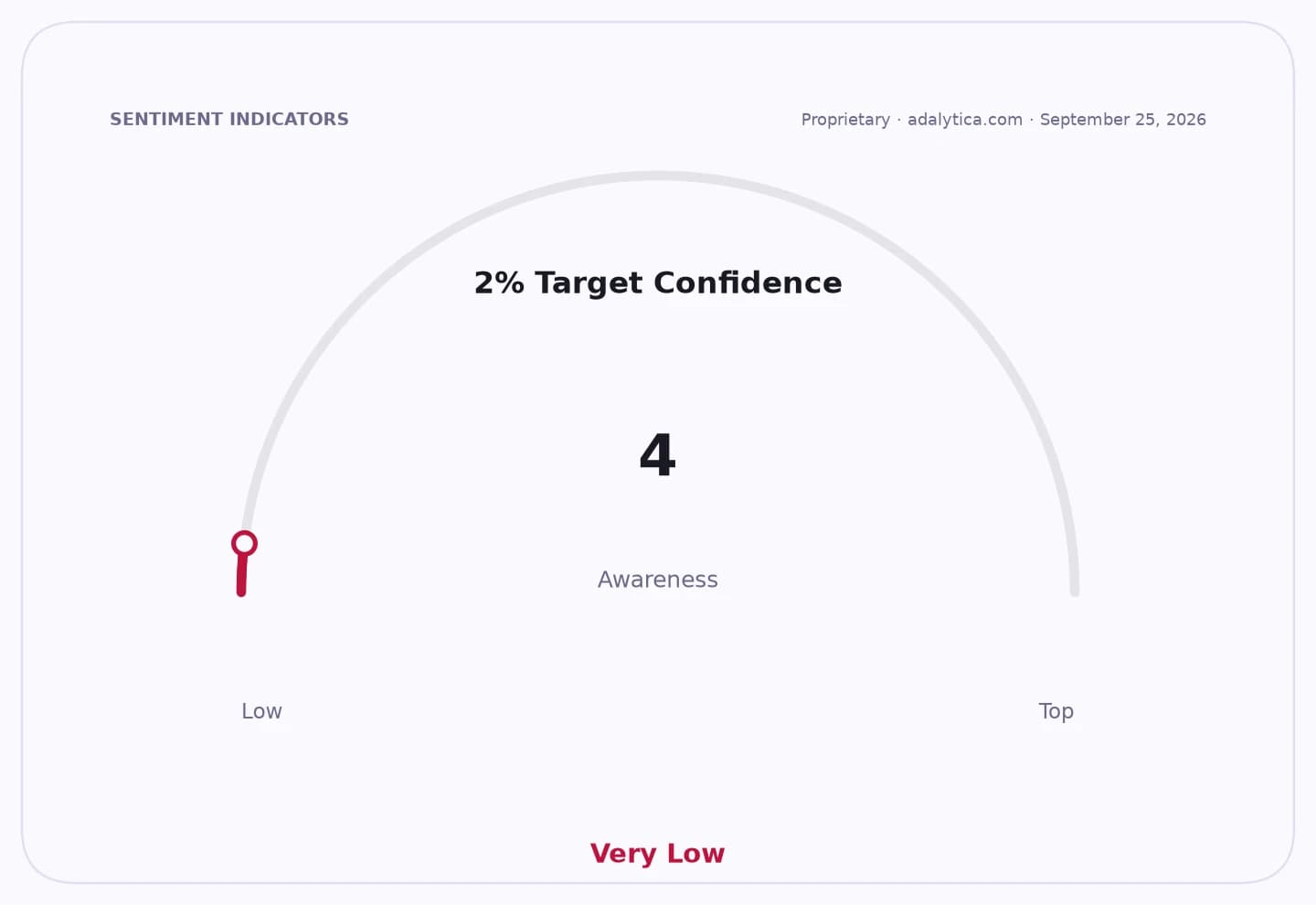
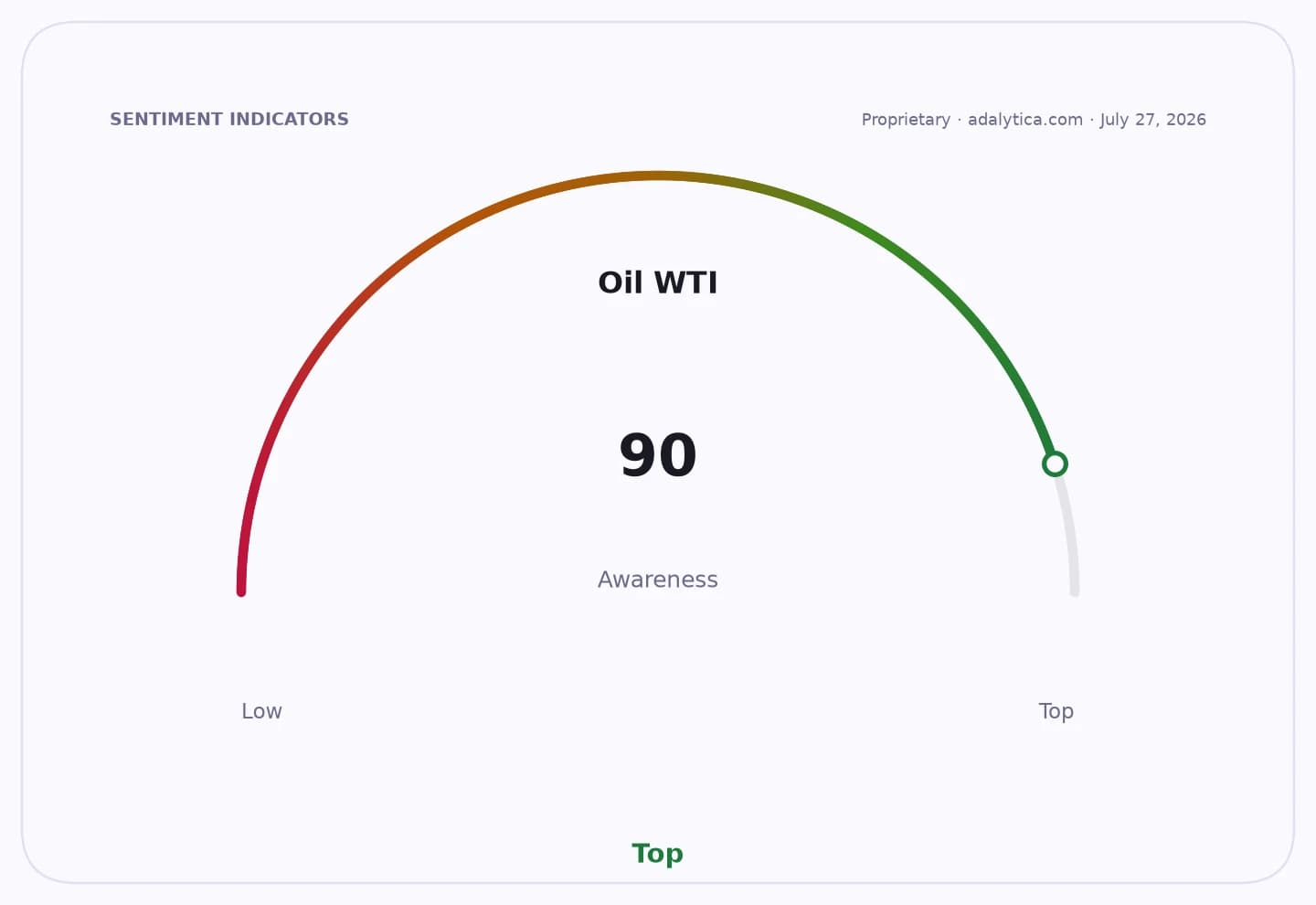
Sentiment IndicatorsⓘProprietary · adalytica.com · July 27, 2026
This is a snapshot — live sentiment, awareness and momentum for 130+ markets update continuously in the dashboard.Open AlphaPulse
The bigger point for investors is that fuel remains a live input-cost story, not a backdrop. WTI crude is forecast to edge up to about $84.98 a barrel, while broader oil-price indicators remain elevated, meaning the relief from a smaller retail diesel price may be temporary rather than structural. That keeps transport, shipping and industrial cost lines sensitive to even modest moves in crude and refining margins.
Adalytica’s oil trade signals point to extreme fear in the WTI complex, even as awareness remains high, a combination that often accompanies abrupt price swings rather than calm repricing. In other words, the market is still vulnerable to snapbacks in energy costs, which would quickly unwind any benefit from cheaper diesel at the pump.
The investment implication is straightforward: this is not just a consumer price story, it is a margin story. Lower diesel helps logistics-heavy businesses, truck operators and exporters whose competitiveness depends on fuel costs. But it also underscores how exposed Europe remains to oil volatility, keeping energy producers, refiners and integrated oil names in focus while transport-intensive sectors stay on the defensive.
If you believe crude stays firm and retail fuel cuts remain tactical, the asymmetric trade is still in energy infrastructure and producers, not in businesses that live and die by diesel costs. The market underestimates how fast a small pump-price move can turn into a broader freight-and-inflation signal.
| Entity | Gains | Losses |
|---|---|---|
| Truckers and hauliers | ▲Lower refueling costs | ▼None immediately |
| Logistics and exporters | ▲Better freight margins | ▼Higher volatility risk |
| Consumers | ▲Slight transport-price relief | ▼Limited if oil stays high |
| Oil producers and refiners | ▲Higher pricing power | ▼Potential demand sensitivity |