Chicken thigh prices are flashing a more stubborn kind of inflation, lifting food bills just as broader grocery gains begin to ease and forcing investors to focus on which companies can absorb higher protein costs without losing volume.
Chicken Thigh Inflation Pressures Food Companies
The 8.2% jump in fresh or frozen chicken thighs from May to June is a reminder that grocery inflation is no longer being driven only by the usual headline offenders such as beef, coffee or restaurant meals. Protein is still the pressure point, and chicken — usually the cheaper substitute when shoppers trade down — is now adding to the bill instead of relieving it. That matters because food price spikes hit household budgets quickly, but they also work their way through processors, distributors and restaurant chains with a lag.
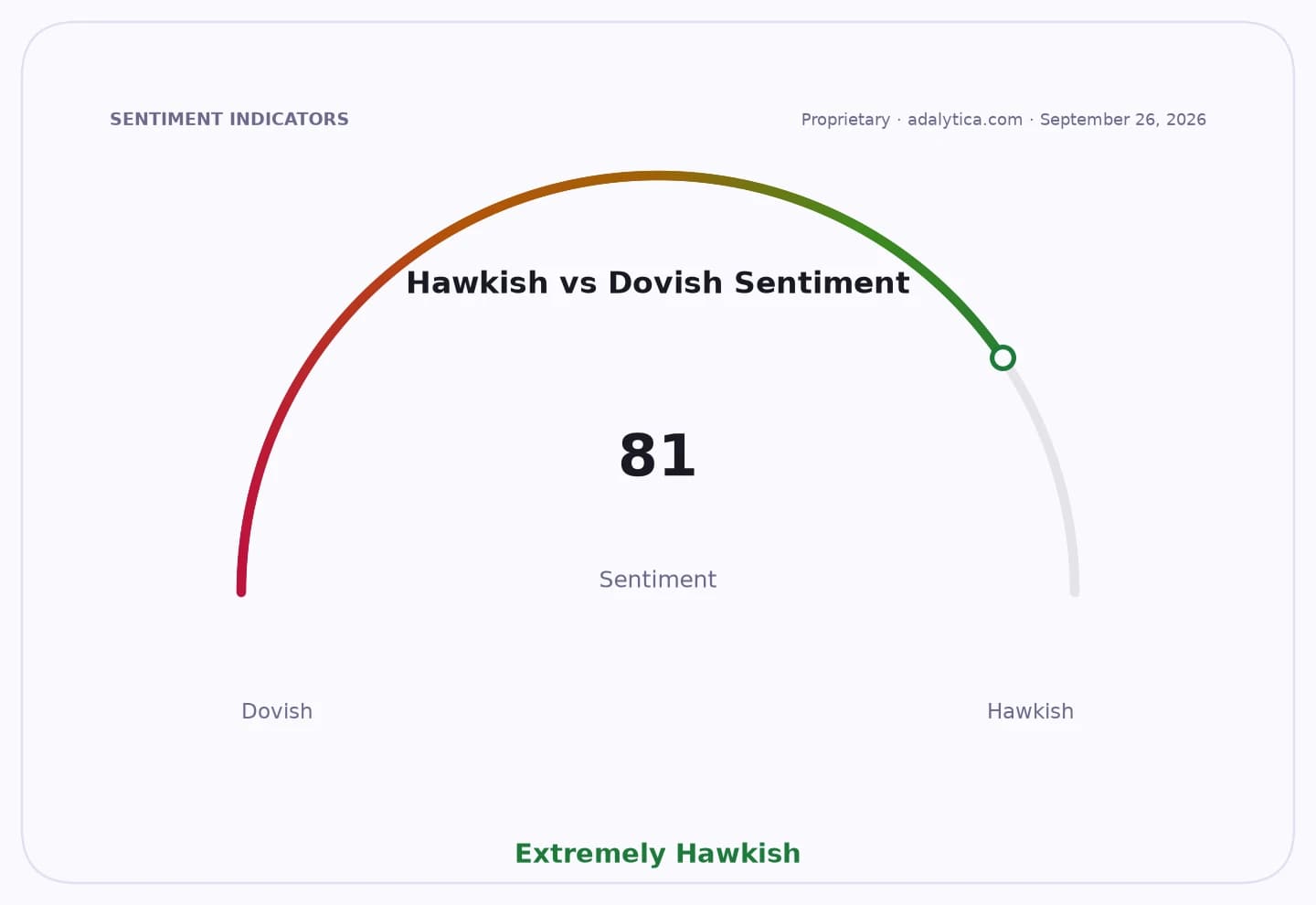
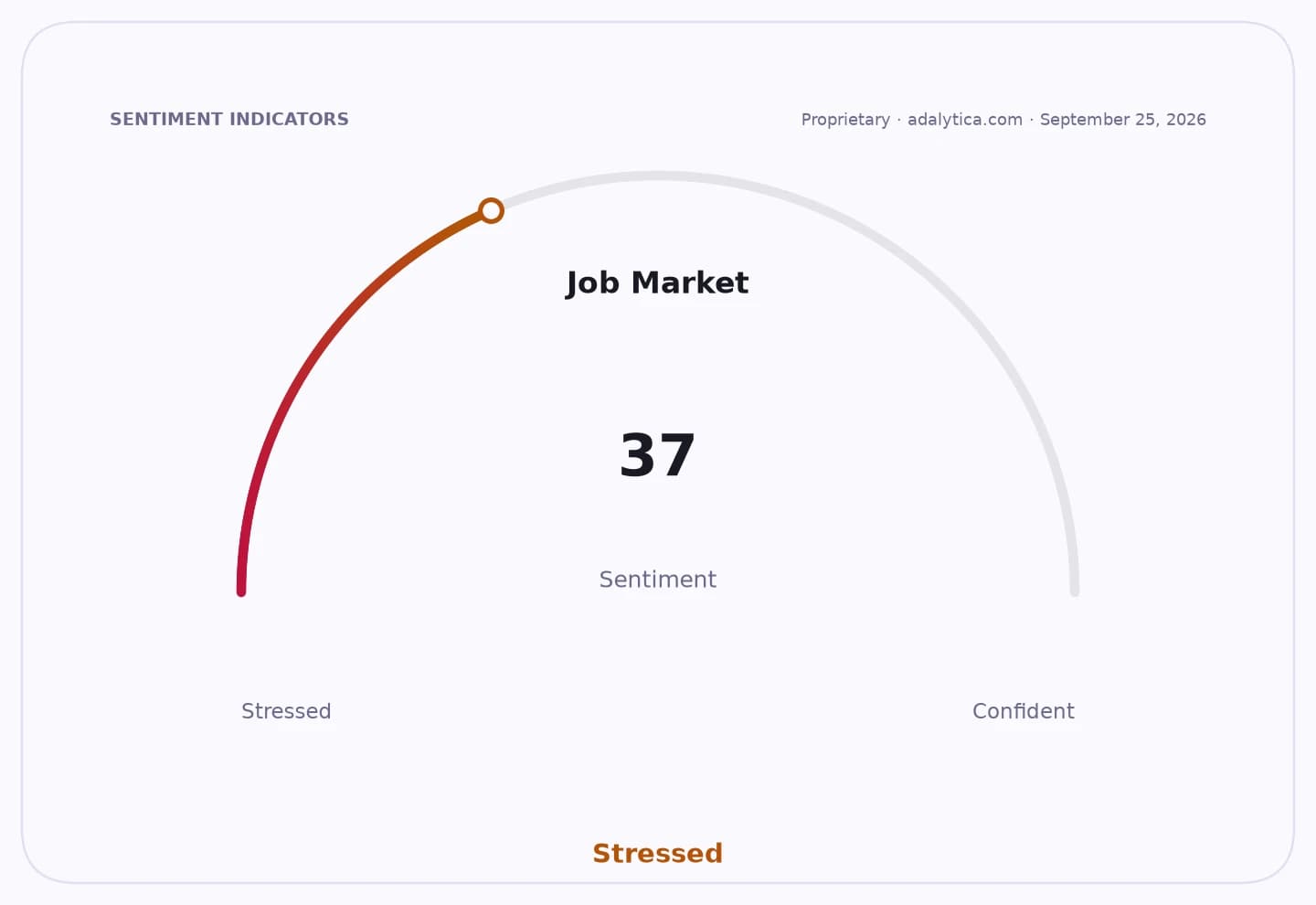
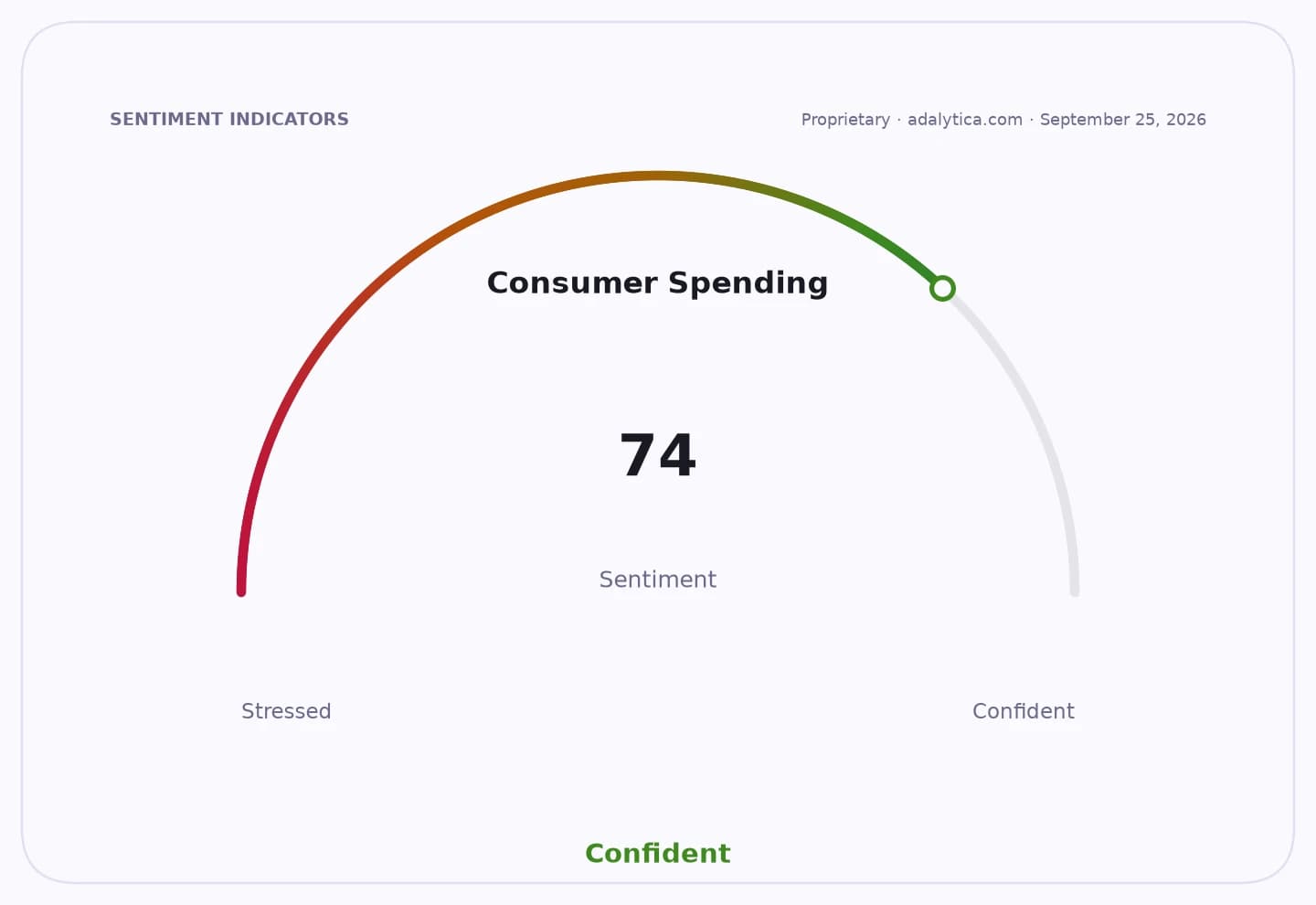
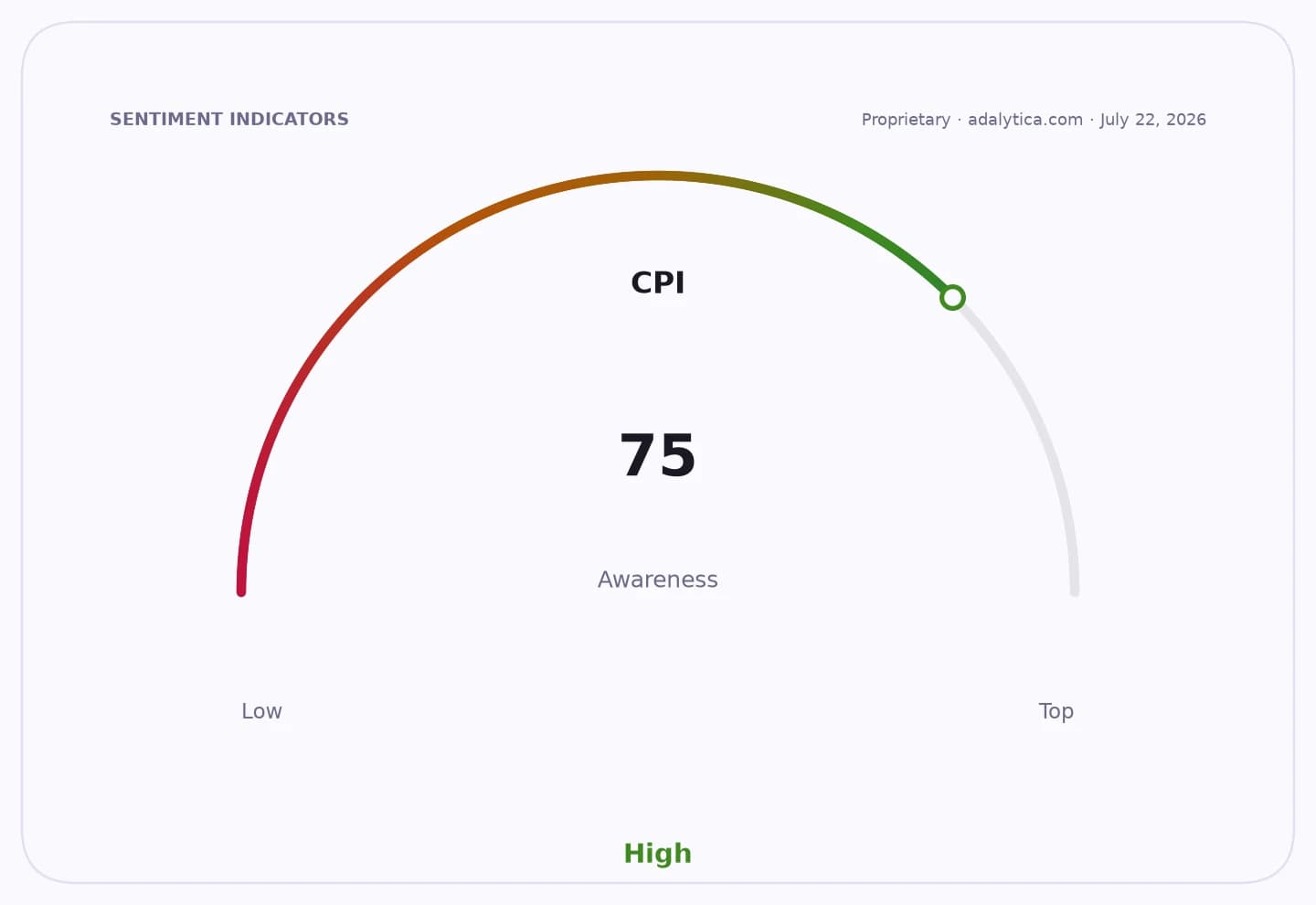
Sentiment IndicatorsⓘProprietary · adalytica.com · July 22, 2026
This is a snapshot — live sentiment, awareness and momentum for 130+ markets update continuously in the dashboard.Open AlphaPulse
The broader inflation backdrop is mixed. U.S. consumer prices were essentially flat in June after a modest rise in May, while core inflation also was subdued, suggesting the latest grocery move is more a category-specific supply shock than a sign of economy-wide overheating. Still, producer prices for all commodities and the overall consumer basket remain elevated versus pre-pandemic levels, leaving room for isolated food inputs to swing sharply when supply or demand changes. In other words, chicken thighs can still bite even when the macro inflation trend looks tame.
For investors, the question is who gets squeezed. Tyson Foods, Conagra, Campbell Soup and restaurant operators all face the same basic equation: if input costs rise faster than they can raise prices, margins compress; if they pass costs through too aggressively, volumes can slip as consumers become more price sensitive. Tyson, which has traded around its 50-day average and above its 200-day moving average in recent months, remains a direct read-through on protein inflation, while McDonald’s and other value-focused chains are more exposed to whether consumers keep trading down or start skipping premium items altogether. Recent share-price action in Tyson and Conagra shows investors are already debating that balance.
The current pattern also suggests chicken is becoming a more important battleground in the grocery aisle. When beef stays expensive, chicken normally benefits from substitution demand. But if chicken prices move up too, retailers lose one of the key anchors that helps keep the basket affordable. That can reinforce consumer frustration even when overall inflation eases, especially for lower-income households that spend a larger share of income on food.
There is a bear case for food companies: higher poultry prices could persist if feed, labor or processing bottlenecks keep tight supply in place, forcing repeated pricing rounds into a consumer base that is increasingly selective. The bull case is that chicken remains one of the most responsive proteins in the system, so elevated prices can eventually pull in more supply and moderate the spike faster than in beef.
Either way, the latest jump in chicken thighs is less about one item in the meat case than about the fragile state of grocery affordability. If protein inflation spreads or stays sticky, it will keep pressure on food manufacturers, restaurant chains and retailers already trying to defend margins in a value-conscious market. What investors should watch next is whether the current surge proves temporary or marks another leg higher in a category that households notice immediately.
| Entity | Gains | Losses |
|---|---|---|
| Poultry producers | ▲Higher selling prices | ▼Input-cost scrutiny |
| Grocery retailers | ▲Larger basket values | ▼Shopper backlash |
| Tyson Foods and peers | ▲Pricing leverage | ▼Margin volatility |
| Consumers | ▲Trade-down options elsewhere | ▼Bigger food bills |