Chile’s far right is trying to force a new front in the country’s abortion debate, proposing a bill that would require women to listen to a fetal heartbeat before ending a pregnancy, a move critics say is designed to shame and pressure patients rather than inform them.
Chile Abortion Fight Raises Policy Risk

That matters well beyond the legislative chamber because reproductive-rights battles often become proxies for broader political risk, social division and policy drift. In Chile, where abortion access remains tightly restricted, the proposal underscores how fragile the country’s social consensus still is — and how quickly contentious social issues can spill into governance, regulation and investor sentiment.
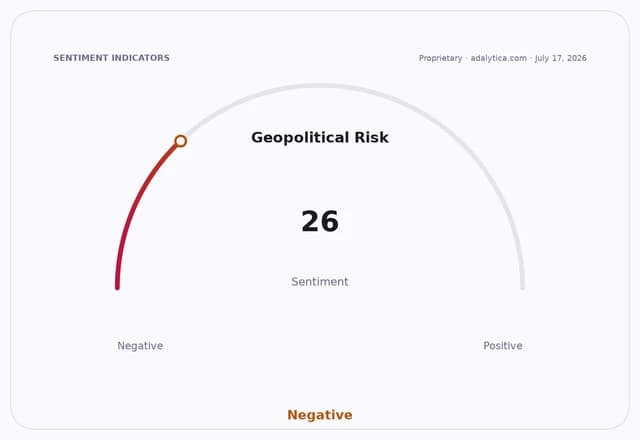
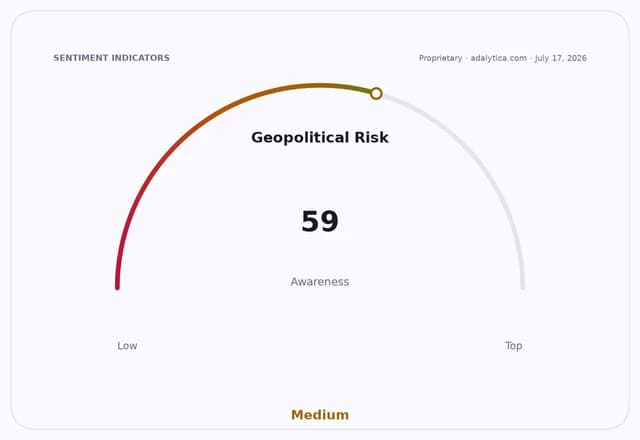
Sentiment IndicatorsⓘProprietary · adalytica.com · July 17, 2026
This is a snapshot — live sentiment, awareness and momentum for 130+ markets update continuously in the dashboard.Open AlphaPulse
The bill’s supporters frame it as a way to make women “listen to their heart,” but opponents are calling it psychological coercion, even “torture.” That language may sound extreme, yet it captures the stakes: this is not a technical adjustment to health policy, but a deliberate attempt to raise the emotional and procedural barriers to abortion. For investors, that kind of legislative hardening can be a warning sign that politics is becoming less predictable, not more.
Chile has spent years trying to balance institutional credibility with social demands for change, and that balancing act matters for capital formation. When politics turns sharply ideological, it can delay reform, sharpen polarization and make it harder for governments to deliver consistent policy on health, labor, education and public spending. That’s especially relevant for companies operating in regulated sectors, where legal uncertainty can leak into everything from workforce planning to consumer confidence.
The debate also arrives as the government cracks down on so-called maternity tourism, reinforcing the sense that reproductive policy is moving toward tighter control rather than broader access. Together, those developments suggest Chile’s abortion rules are becoming a clearer political fault line — one that could shape election rhetoric, activism and legislative bargaining for months.
For long-term investors, the immediate market impact is likely to be indirect rather than dramatic. But the broader lesson is important: countries that enter prolonged culture wars often face a heavier policy risk premium, even when the headline issue is not directly tied to earnings. That can matter for domestic demand, foreign perception and the stability investors prize in a market like Chile.
The practical takeaway is simple: this proposal is worth watching not because it moves markets today, but because it reveals where Chile’s political energy is heading. In a country where institutions matter, sustained social confrontation can still become an economic issue — and that’s something patient investors should factor into their long-term view.
| Entity | Gains | Losses |
|---|---|---|
| Far-right deputies | ▲Political mobilization | ▼Policy credibility |
| Anti-abortion activists | ▲Legislative leverage | ▼Broad public support |
| Women seeking abortions | ▲None | ▼More coercion |
| Chilean investors | ▲Short-term clarity on politics | ▼Higher policy uncertainty |