China’s decision to take another 220,000 tons of rice from the Philippines through government-to-government sales adds fresh support to Asian grain trade and gives exporters a near-term demand boost as climate and supply concerns keep rice markets volatile.
China buys 220,000 tons of Philippines rice
The additional shipment, to be delivered within this year, widens a state-backed channel that can move large volumes without the delays and pricing friction of private tenders. For producing countries, that matters because it helps lock in sales at a time when rice prices remain sensitive to weather disruptions, crop shortages and shifting import policies across Asia.
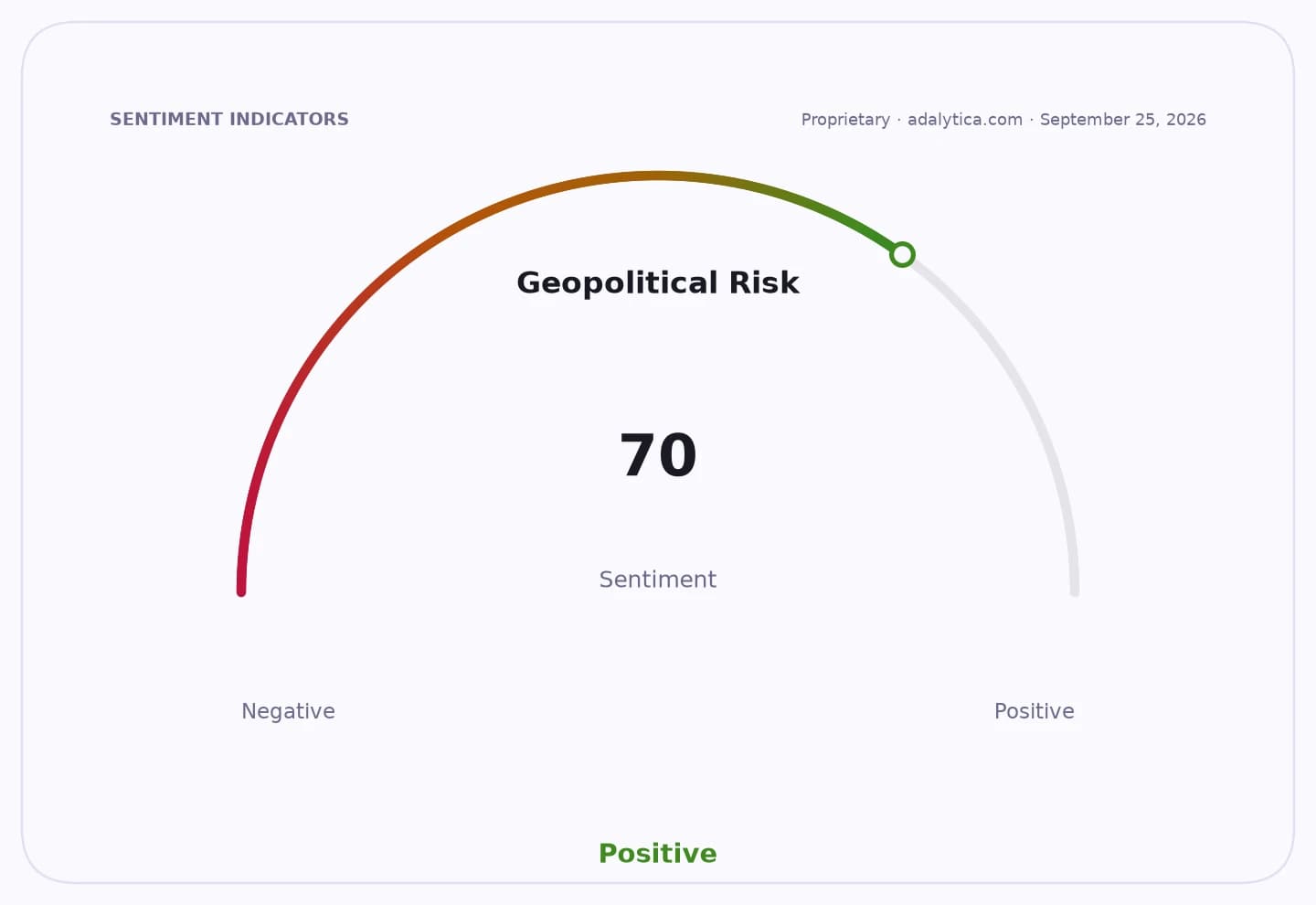
Sentiment IndicatorsⓘProprietary · adalytica.com · August 8, 2026
This is a snapshot — live sentiment, awareness and momentum for 130+ markets update continuously in the dashboard.Open AlphaPulse
The deal also reinforces China’s role as a buyer that can quickly absorb supply when domestic or regional stocks tighten. That is meaningful for traders and millers watching whether recent demand can offset pressure from weaker harvests, rising costs and uneven import demand elsewhere in the region.
Agribusiness shares tied to Asian grain flows, including Archer-Daniels-Midland and Bunge, are in focus because broader export activity with China has already been supporting margins in trading and merchandising businesses. ADM has said increased export activity with China helped North America results in the latest period, while Bunge has pointed to stronger grain merchandising volumes.
For investors, the bigger read-through is that state-backed food trade remains an important stabilizer for rice exporters even as private market prices swing. The next catalyst is whether China extends the buying program further and whether other importers follow with larger purchases as rice supply tightness persists into the second half of the year.
| Entity | Gains | Losses |
|---|---|---|
| Philippine rice exporters | ▲More guaranteed volume | ▼Less reliance on spot demand |
| China | ▲Secured supply | ▼Less bargaining leverage on price |
| ADM and Bunge | ▲Stronger grain trading flow | ▼Margin pressure if supply tightens |
| Competing rice exporters | ▲Bigger state-buyer demand | ▼Less room to win China sales |