China has launched two new anti-dumping investigations into imports from the European Union, escalating trade friction with Brussels and keeping pressure on European exporters in chemicals and industrial materials.
China opens new anti-dumping probes on EU imports
The Commerce Ministry said on Thursday it is probing para-aramid fiber and ethylidene norbornene after complaints from domestic producers, and urged the EU to resolve disputes through dialogue and consultation. The move follows an anti-dumping probe into EU p-Nitrotoluene opened in early October, signaling that Beijing is widening scrutiny across multiple industrial inputs rather than treating the latest dispute as a one-off.
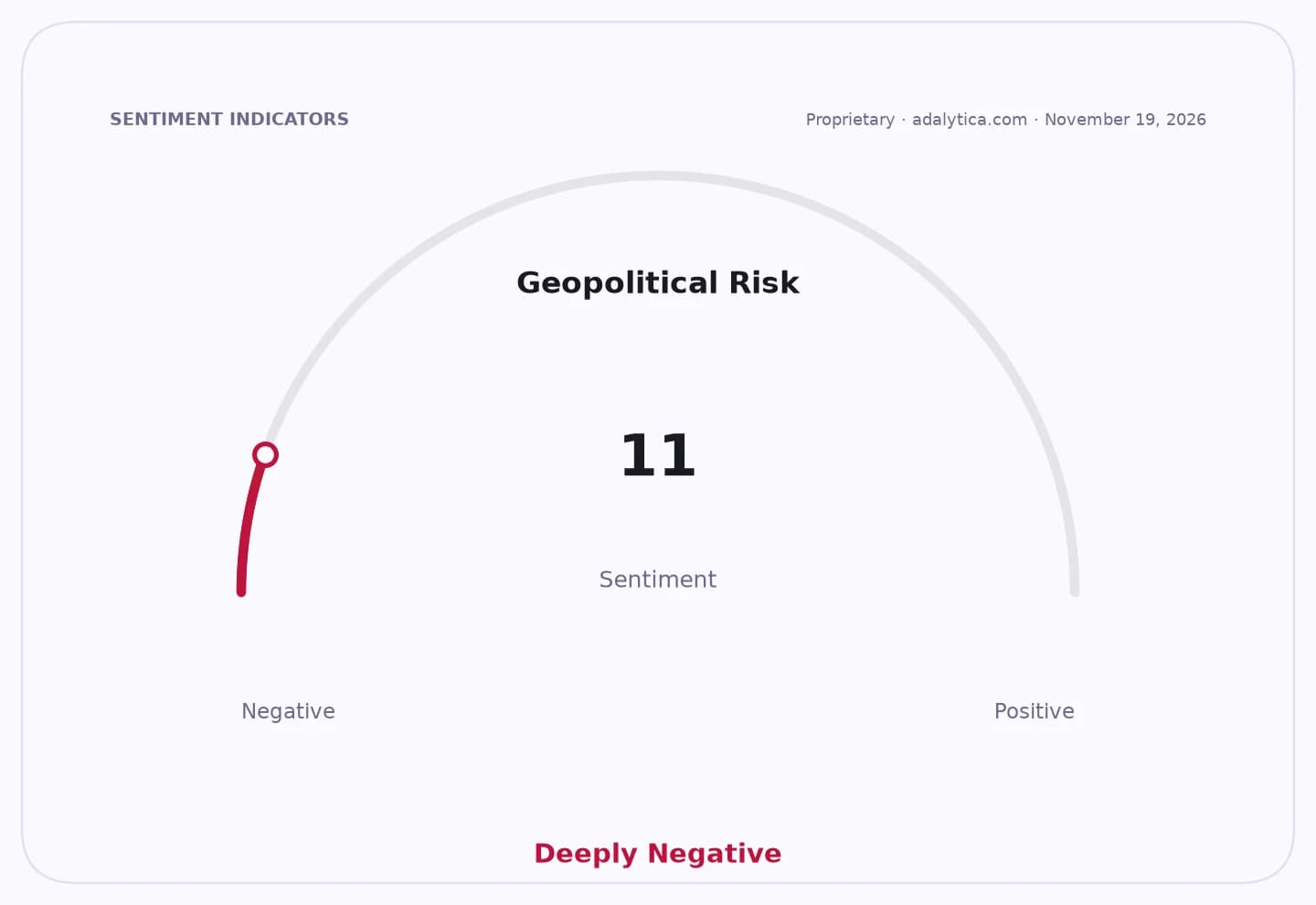
Sentiment Indicators
Para-aramid is used in autos, fiber-optic cable and body armor, while ethylidene norbornene is a key ingredient in synthetic rubber used in construction, transport and plastics. Those are not niche products: they sit in supply chains that feed manufacturing, infrastructure and defense-related applications, so any duties or restrictions could ripple through pricing and sourcing decisions for European suppliers and Chinese downstream buyers.
The investigations also land at a sensitive time for global trade, with China’s relations with both the EU and the U.S. under strain and Beijing leaning more heavily on trade remedies as a policy tool. China’s persistent trade surplus has sharpened criticism from major partners, making Brussels more likely to respond if the probes are seen as part of a broader pattern of industrial retaliation.
For investors, the immediate focus is on European chemical and specialty-materials makers exposed to Chinese demand, along with any firms that rely on the two products as inputs. China-listed exporters and downstream manufacturers could also face pricing disruption if the probes lead to duties, while broader market sentiment toward Europe-China trade may remain fragile until the investigations are resolved or widened.
The next catalyst is whether Beijing imposes preliminary duties or expands the scope of its trade actions, a step that would intensify pressure on EU-China negotiations and keep cross-border supply chains on edge.
| Entity | Gains | Losses |
|---|---|---|
| China domestic producers | ▲More protection | ▼Less import competition |
| EU exporters | ▲Potential dialogue channel | ▼Probe risk and tariff exposure |
| Chinese downstream manufacturers | ▲Possible policy support | ▼Higher input costs |
| Investors in EU-China trade names | ▲Clarity if probes narrow | ▼Volatility if duties follow |