Shenzhen’s role as host of APEC this week is about more than ceremony: it gives China a chance to tell global investors that it still wants trade, capital and supply chains flowing through Asia’s biggest manufacturing hub.
China APEC Shenzhen Focuses on Trade and Investment
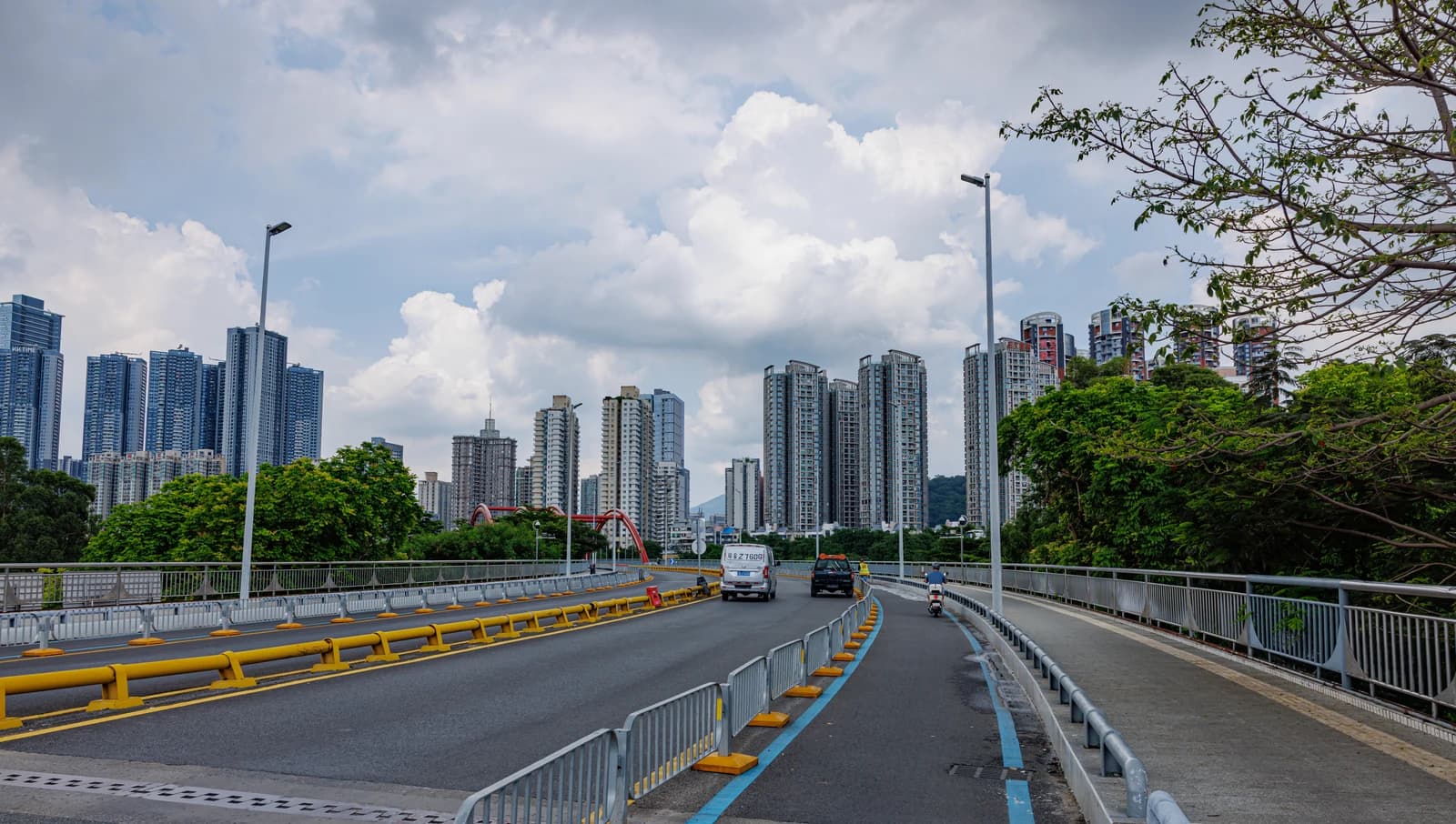
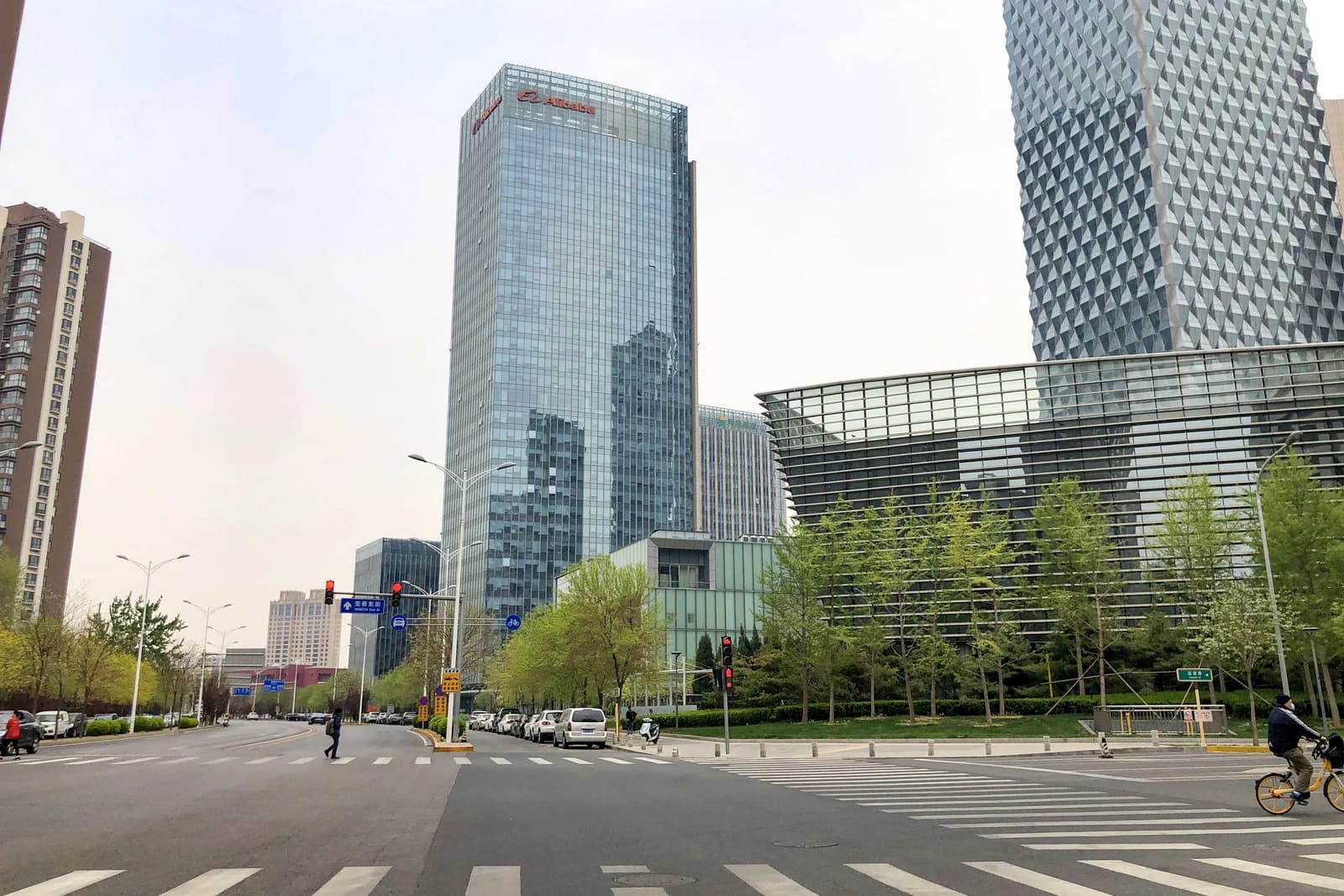
That matters because the city has long been one of the clearest windows into China’s export machine. When Beijing stages a high-profile event there, it is signaling that the country wants to keep foreign business engaged even as trade friction, geopolitics and weak domestic sentiment weigh on the outlook.
Sentiment Indicators

For investors, the key question is whether the summit produces anything concrete. Chinese leaders have used the APEC platform to call for lower tariffs, fewer barriers and more openness to foreign firms, a message aimed squarely at calming corporate worries about access to the world’s second-largest economy. Any follow-through on that rhetoric could help China-linked equities, particularly exporters and companies tied to cross-border commerce.
The market backdrop shows how fragile that optimism remains. The FXI China ETF slipped to 32.88 on Nov. 17, below its 50-day moving average of 33.81 and well under its 200-day average of 35.20, a sign that investors are still treating Chinese assets cautiously. YINN, a leveraged China ETF, fell even harder to 21.89, also below both its 50-day and 200-day moving averages. Those levels suggest traders have not yet embraced the summit as a durable catalyst.
US-China Relations
At the same time, technical readings point to a market that is not entirely broken. FXI’s RSI of 54.6 sits in neutral territory, while YINN’s 52.9 suggests neither extreme fear nor euphoria. In other words, investors are waiting for proof.
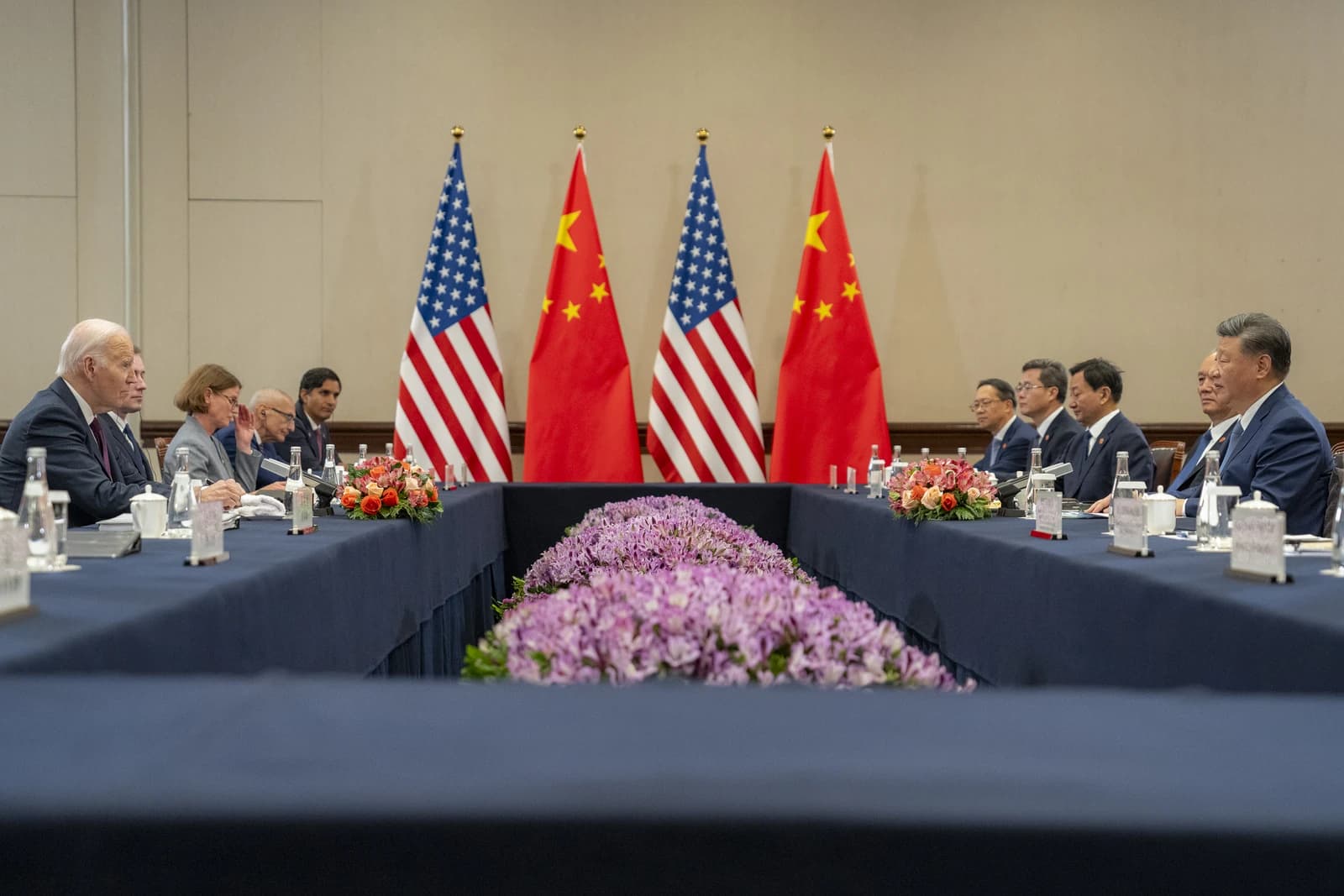
That is where the broader narrative matters. China is trying to use APEC to reinforce a multilateral, pro-trade image at a moment when sentiment around Beijing remains subdued. Adalytica’s China CCP Policy Direction Sentiment gauge sits at 29, or fear, while its U.S.–China Relations Sentiment gauge is at 14, deep in extreme fear. The combination tells you why the summit matters: markets want fewer headlines about conflict and more evidence that policy makers are willing to reduce frictions.
For long-term investors, the takeaway is straightforward. APEC in Shenzhen will not by itself change China’s growth story, but it may offer a useful read on whether Beijing is prepared to make its trade-friendly rhetoric more credible. If that happens, China equities could finally get more than a temporary bounce. If it does not, the recent weakness in FXI and YINN will likely remain a warning that investors still want policy, not promises.
| Entity | Gains | Losses |
|---|---|---|
| China exporters | ▲Better access rhetoric | ▼Trade uncertainty |
| Foreign firms | ▲Lower-barrier message | ▼Policy skepticism |
| FXI holders | ▲Possible policy lift | ▼Weak price trend |
| YINN traders | ▲Volatility opportunity | ▼Leveraged downside |