China’s first regular Arctic container service has begun, and the big economic story is simple: a new trade lane is cutting the trip from Ningbo to Felixstowe to about 20 days, roughly half the usual transit time.
China's first Arctic container service cuts Ningbo-Felixstowe to 20 days
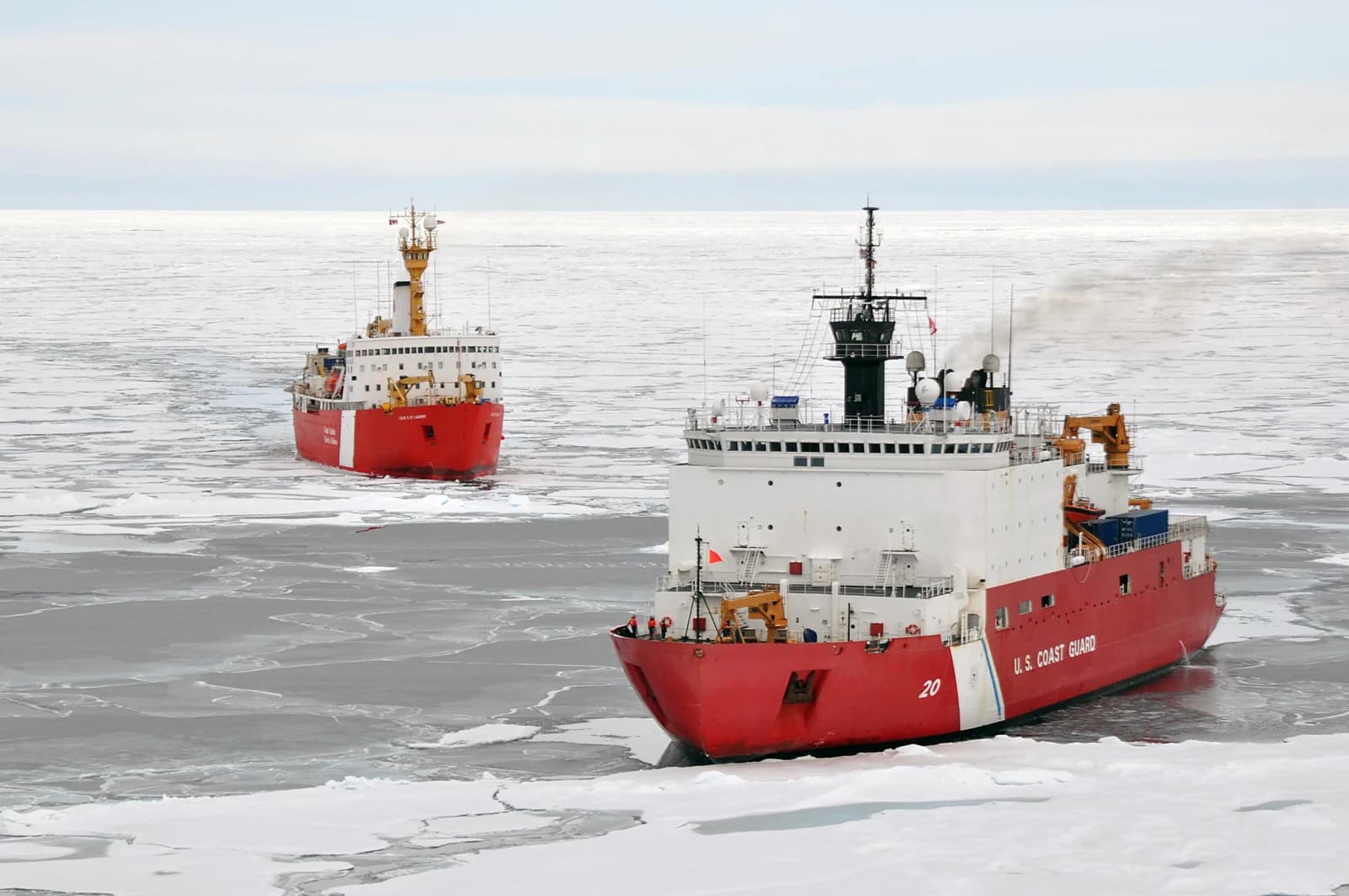
That matters because shipping time is money. Faster voyages can lower inventory costs, reduce congestion risk in traditional lanes and give shippers another option as global trade routes remain vulnerable to geopolitics, weather and chokepoints such as the Strait of Malacca and the Suez Canal. For Chinese exporters, especially those moving higher-value or time-sensitive goods to Europe, the route could become a useful premium service rather than a wholesale replacement for existing networks.
Sentiment IndicatorsⓘProprietary · adalytica.com · August 11, 2026
This is a snapshot — live sentiment, awareness and momentum for 130+ markets update continuously in the dashboard.Open AlphaPulse
Sea Legend’s launch is also a reminder that the Arctic is no longer just a climate story. Melting ice is opening waters that were once inaccessible, and companies are moving first where the commercial advantages are clearest. The northern passage along Russia’s coast shortens the route, but it also increases exposure to environmental scrutiny, ice risk, sanctions-related complications and the politics of operating in a region where Moscow still controls much of the practical access.
For investors, the route is most relevant as another sign that global shipping is getting more fragmented, more strategic and potentially more expensive to insure and regulate. Carriers with exposure to Eurasian trade lanes, ice-class vessels and specialized logistics could see opportunity, while operators tied to the old bottlenecks may face more pressure to justify pricing. The route may not transform the industry overnight, but it reinforces a larger theme: supply chains are being redesigned around resilience and speed, not just the cheapest mile.
That is why this matters beyond one voyage. If Arctic shipping scales, it could shift freight economics, redraw seasonal capacity planning and create a niche market for faster Asia-Europe service. But the long-term winner will still be the operator that can balance reliability, regulation and cost — because in shipping, the best route is only valuable if it can be repeated.
| Entity | Gains | Losses |
|---|---|---|
| Sea Legend | ▲First-mover advantage | ▼Higher operating risk |
| Chinese exporters | ▲Faster Europe deliveries | ▼More route uncertainty |
| Traditional shipping lanes | ▲Less congestion pressure | ▼Some traffic diversion |
| Arctic ecosystem/regulators | ▲More scrutiny and urgency | ▼Higher shipping activity |




