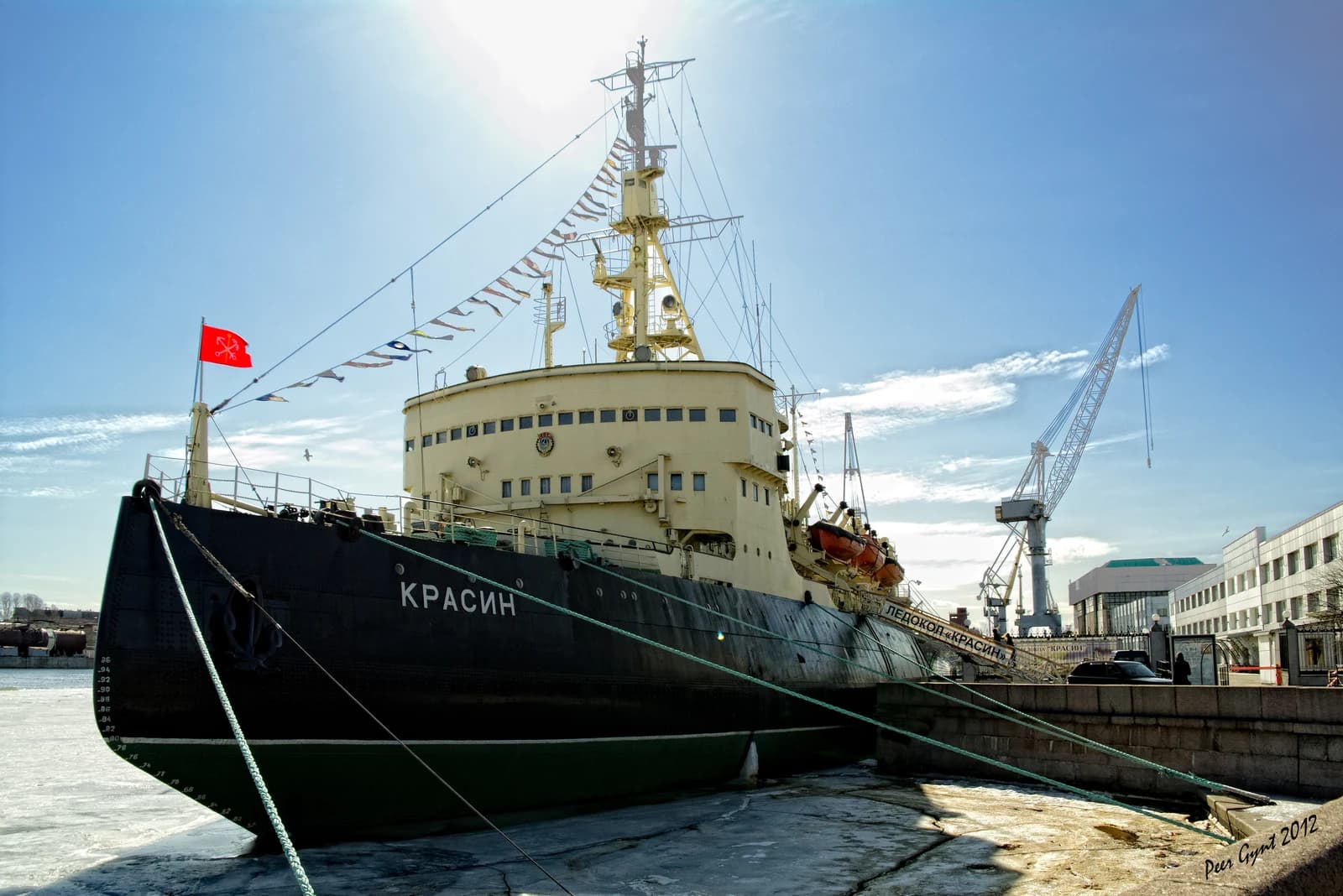
China has begun using a new Arctic shipping route that can shorten the voyage to Europe by around 10 days, but the lane is unlikely to become a mass-market alternative to the Suez Canal because of ice, insurance, infrastructure and seasonal constraints.
China uses Arctic shipping route to Europe
That makes the development economically notable even if its near-term trade impact is limited. A faster northern passage can trim freight time and, in theory, inventory costs for shippers moving between China and northern Europe. It also adds another option at a time when supply chains remain sensitive to geopolitical chokepoints, from the Red Sea to the Strait of Hormuz.
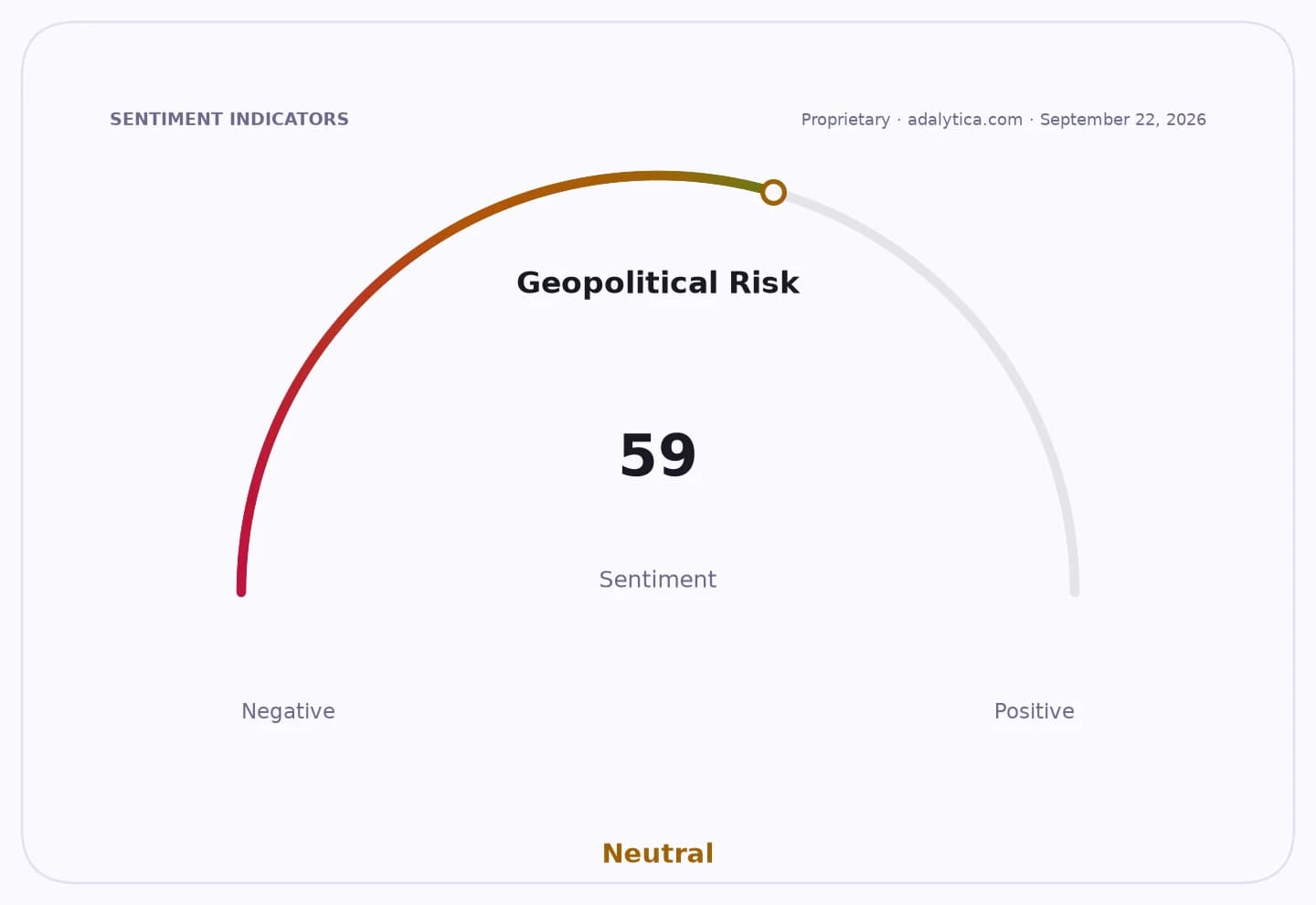
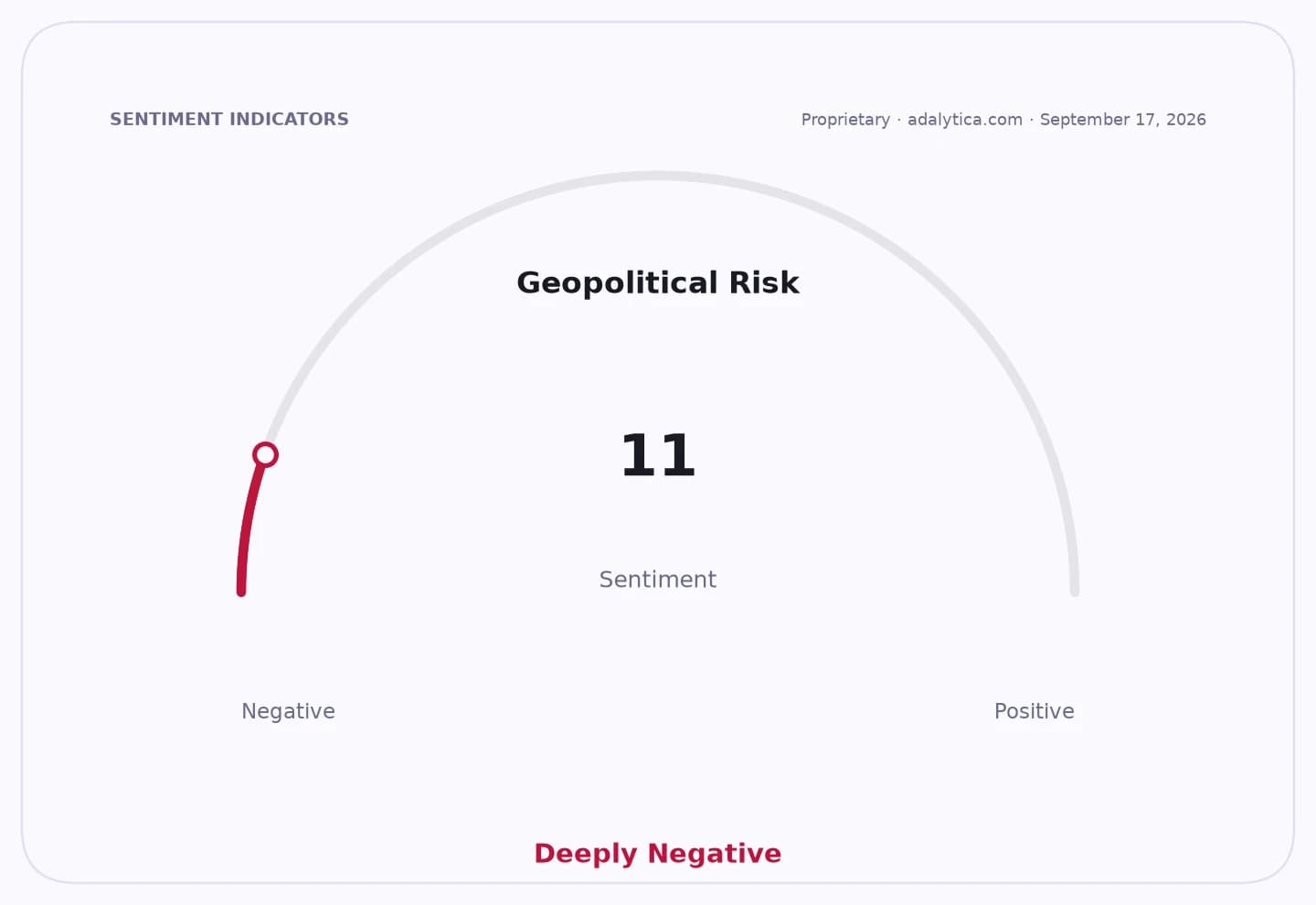
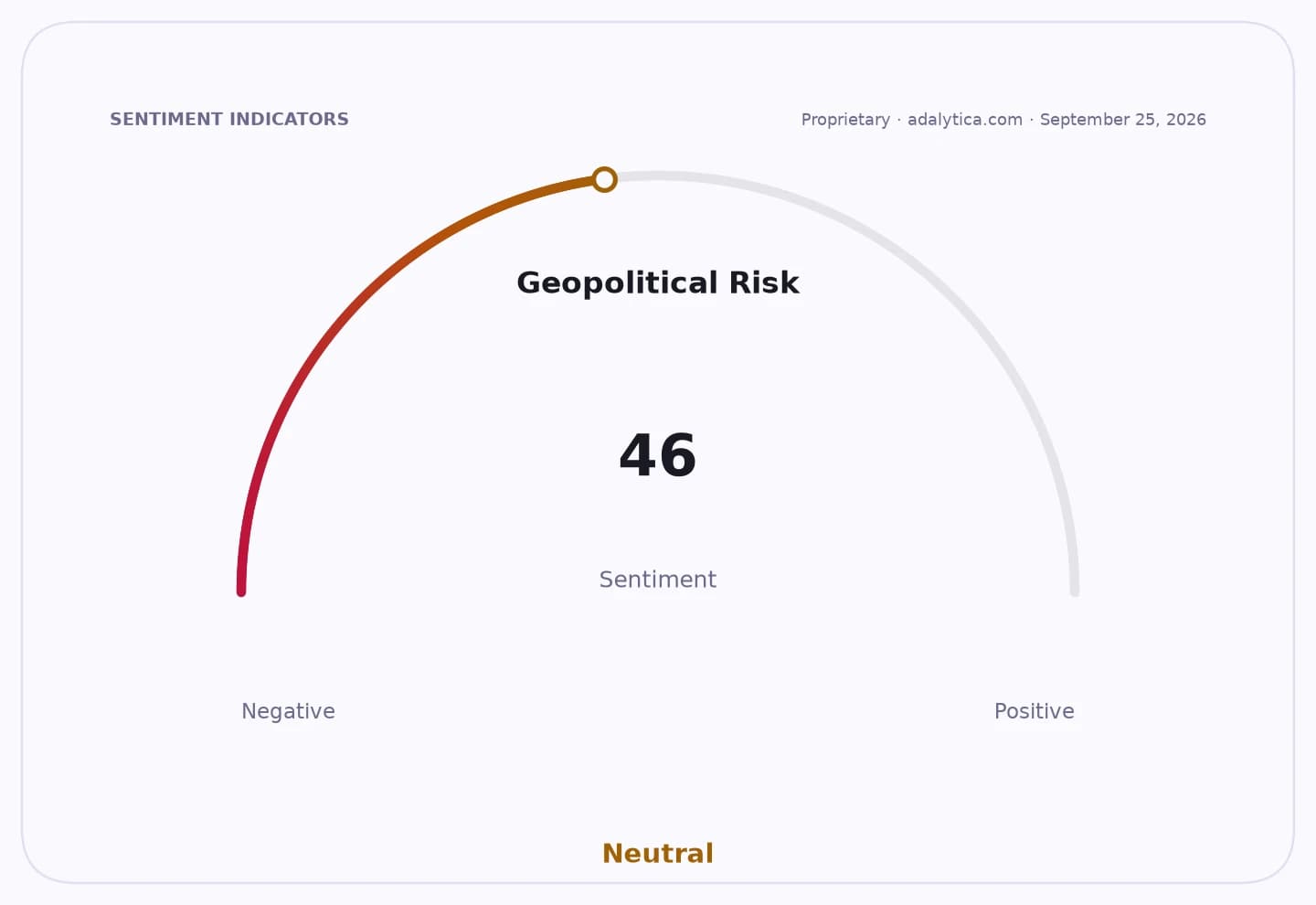
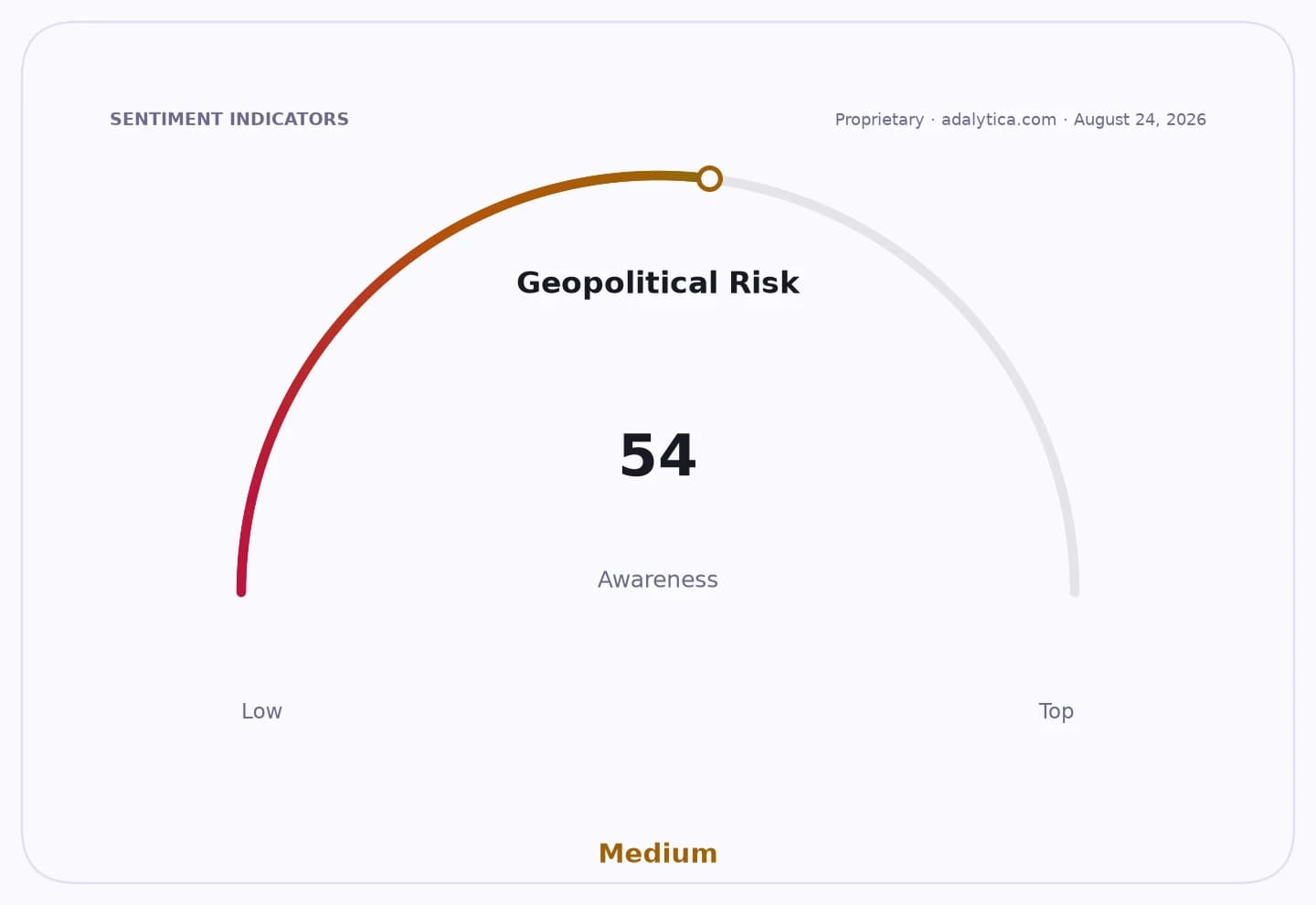
Sentiment IndicatorsⓘProprietary · adalytica.com · August 24, 2026
This is a snapshot — live sentiment, awareness and momentum for 130+ markets update continuously in the dashboard.Open AlphaPulse
But the route’s wider use will be held back by the same Arctic conditions that make it possible. The window for safe passage remains narrow, requiring specialized vessels, ice navigation support and heavier risk management than conventional Asia-Europe routes. For most carriers, the economics still favor established lanes unless freight rates spike or disruption elsewhere becomes severe.
The strategic significance is broader than shipping alone. China’s willingness to test Arctic lanes underscores how climate change is reshaping commercial geography and giving major powers a bigger stake in the far north. That comes as the Trump administration has canceled a key Arctic climate report, a move criticized by researchers who say it weakens the scientific basis for assessing the region’s rapid change.
For markets, the immediate read-through is modest but clear. The route is not yet a structural threat to the Suez corridor or the Middle East’s energy and logistics ecosystem, but it reinforces the premium on route diversification. That matters for insurers, shipping operators and exporters trying to hedge against disruption. It also keeps pressure on governments and port operators to invest in Arctic-capable infrastructure, even as the commercial case remains uneven.
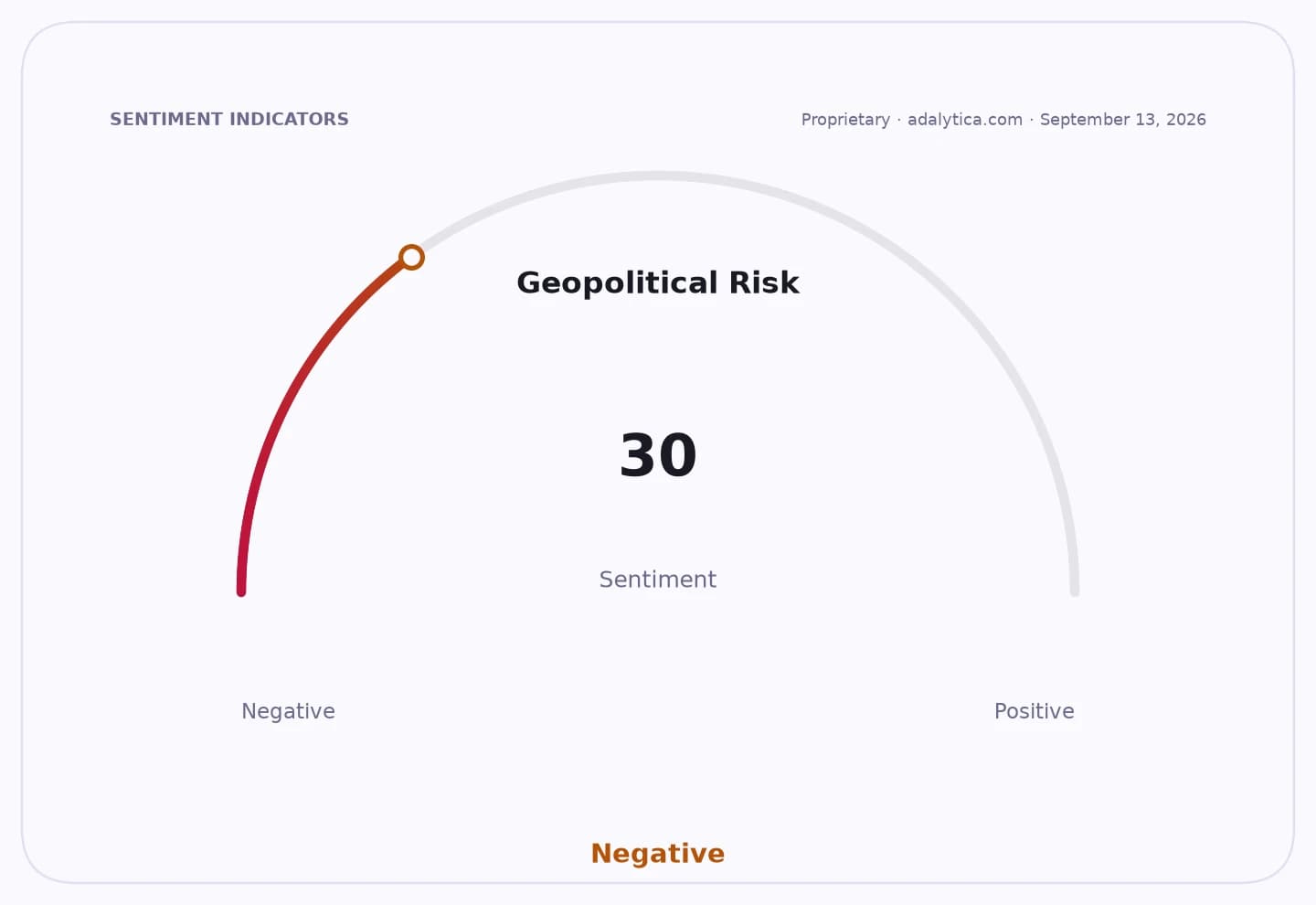
Oil markets are part of that equation. Brent has stayed elevated around the mid-$80s a barrel, while WTI has traded near the same level, leaving fuel costs high enough to keep freight economics sensitive to even small route changes. The broader geopolitical backdrop is also supportive of alternative-lane thinking, with global stability sentiment improving sharply in recent Adalytica measures even as risk premia in shipping remain tied to conflict and weather.
For investors, the practical implication is that Arctic shipping is a long-duration option rather than an imminent structural shift. It can benefit niche operators, ice-class ship owners and northern logistics assets, but it is unlikely to meaningfully reprice global container trade or bulk flows in the near term. The key catalysts to watch are further ice retreat, port investment in the High North, insurance pricing and whether geopolitical shocks make the route commercially relevant for longer periods each year.
| Entity | Gains | Losses |
|---|---|---|
| China | ▲Faster Europe access | ▼Limited by Arctic constraints |
| Specialized ship operators | ▲Niche route demand | ▼High operating and insurance costs |
| Suez-linked shippers | ▲Diversification option | ▼No immediate structural loss |
| Arctic science and policymakers | ▲More attention to region | ▼Weaker climate monitoring |