China and the Association of Southeast Asian Nations are widening cooperation from traditional trade into artificial intelligence and other emerging industries, a shift that matters because it strengthens one of the world’s most important manufacturing and consumer corridors at a time of intensifying global trade friction.
China-ASEAN Deepen AI and Trade Ties

The economic significance is straightforward: deeper China-ASEAN integration can support cross-border investment, keep supply chains moving and give regional exporters a larger market even as the U.S. and Europe tighten scrutiny of China-linked commerce. That makes the bloc more relevant to global pricing power, industrial output and capital flows across Asia.
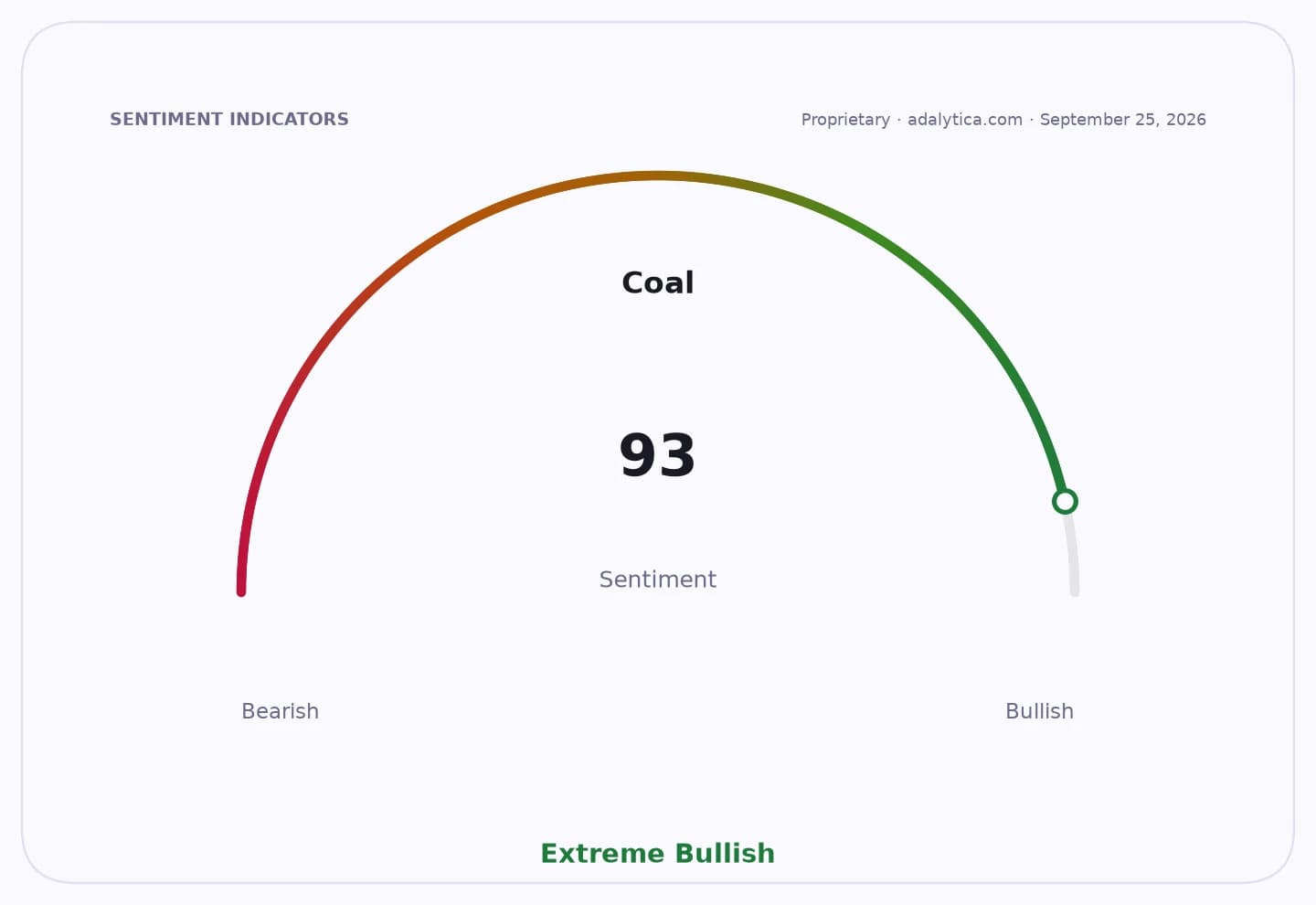
Sentiment IndicatorsⓘProprietary · adalytica.com · July 16, 2026
This is a snapshot — live sentiment, awareness and momentum for 130+ markets update continuously in the dashboard.Open AlphaPulse
The story also lands against a more fragile global backdrop. Adalytica’s Global Stability Sentiment is at 7, in “Extreme Fear,” while awareness is elevated at 89, suggesting geopolitical risk is dominating market attention even as investors stay highly focused on the theme. At the same time, the U.S. 10-year Treasury yield sits around 4.608%, underscoring how higher borrowing costs can amplify the value of trade and investment channels that promise steadier growth.
For investors, the implications cut across equities, commodities and the currency market. Stronger China-ASEAN ties are constructive for regional supply-chain names, logistics operators, industrials and technology manufacturers that depend on diversified sourcing and final demand in Southeast Asia. They are also a relative positive for Asia-focused ETFs, including FXI and EEM, which have shown volatility but remain sensitive to any signs of trade normalization and policy coordination in the region.
FXI closed at 34.28 on July 15, above its 50-day moving average of 34.58 but still below the 200-day average of 37.24, while EEM ended at 65.57, just under its 50-day average of 66.94 and well above its 200-day average of 59.21. The technical setup suggests investors have not fully priced in a sustained rerating yet, but both funds remain poised to react to any concrete trade, investment or technology agreements.
The AI angle is especially important because it marks an upgrade in the relationship from low-margin commerce to higher-value strategic sectors. Cooperation in digital infrastructure, data applications and industrial technology could help ASEAN economies move up the value chain while giving Chinese firms new overseas partners at a time when access to Western markets is more constrained.
That leaves investors watching for the next policy step: whether China and ASEAN turn the rhetoric into financing deals, joint tech projects or supply-chain agreements at upcoming regional meetings. Any sign of implementation would likely support Asia-exposed assets; failure to deliver could leave the narrative as a geopolitical offset rather than a growth catalyst.
| Entity | Gains | Losses |
|---|---|---|
| China exporters | ▲Larger ASEAN demand | ▼Less dependence on Western markets |
| ASEAN manufacturers | ▲More investment and tech transfer | ▼Exposure to China supply concentration |
| FXI/EEM investors | ▲Asia growth upside | ▼Delay in policy follow-through |
| U.S./EU trade hawks | ▲— | ▼Weaker leverage over regional trade flows |