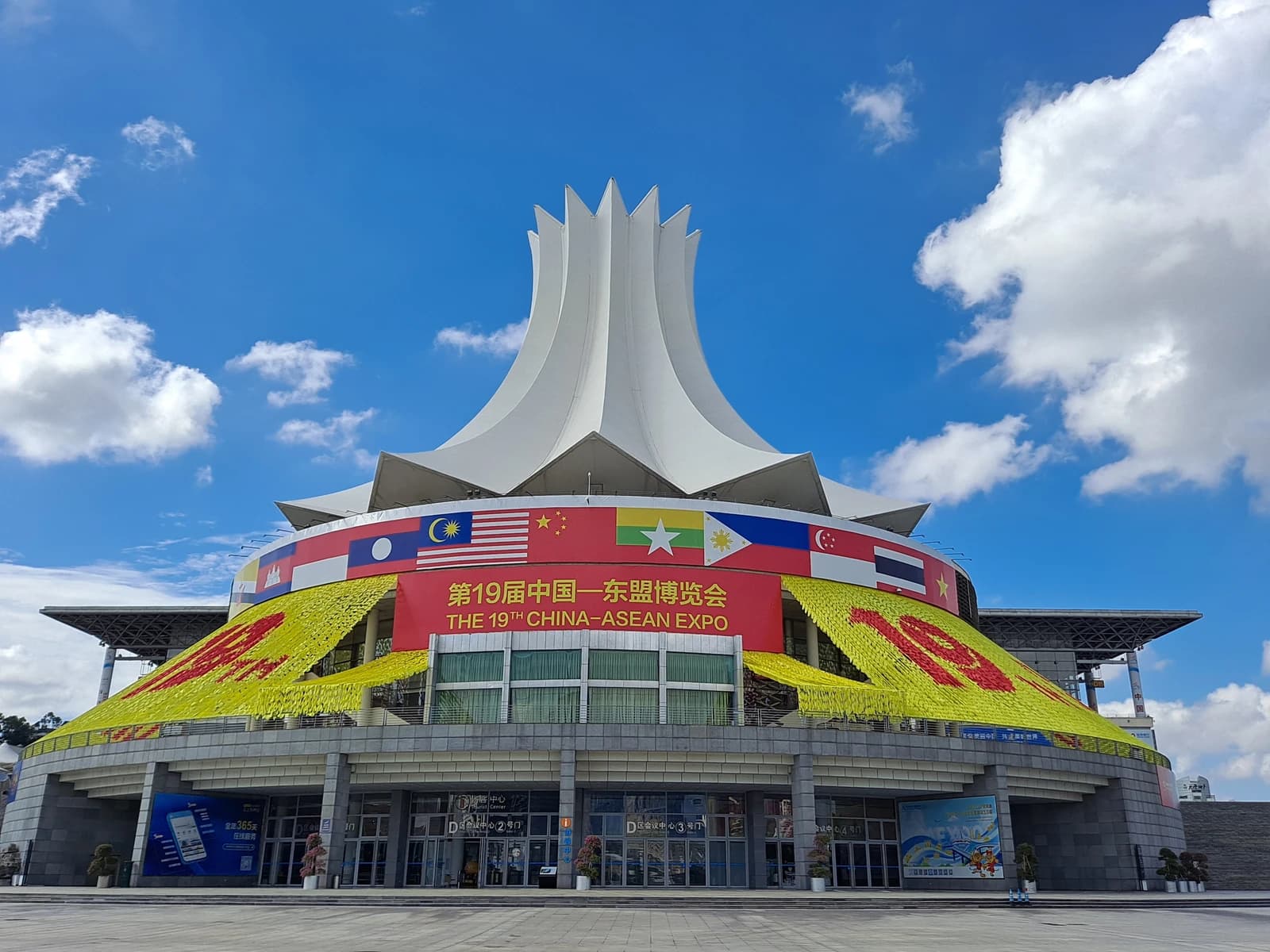
China’s decision to hold the China-ASEAN Expo in September in south China lands at a moment when Asian trade is being pulled in two directions: deeper commercial integration on one side, and sharper geopolitical friction on the other. For investors, that makes the event more than a diplomatic showcase. It is a signal that Beijing wants to keep the ASEAN growth engine open for business even as South China Sea tensions and wider US-China rivalry threaten to raise the cost of doing so.
China-ASEAN Expo Signals Trade Stability Push
That matters economically because ASEAN is now one of China’s most important external demand and sourcing blocs, spanning everything from industrial inputs and consumer goods to logistics, travel and digital commerce. Any attempt to stabilize that corridor supports cross-border trade volumes, supply-chain re-routing and investment spending at a time when global growth is uneven and the US 10-year Treasury yield is hovering near 4.75%, keeping financing conditions tight. China also has an incentive to use regional trade forums to reinforce market access and offset pressure from Western trade barriers and tariff uncertainty.
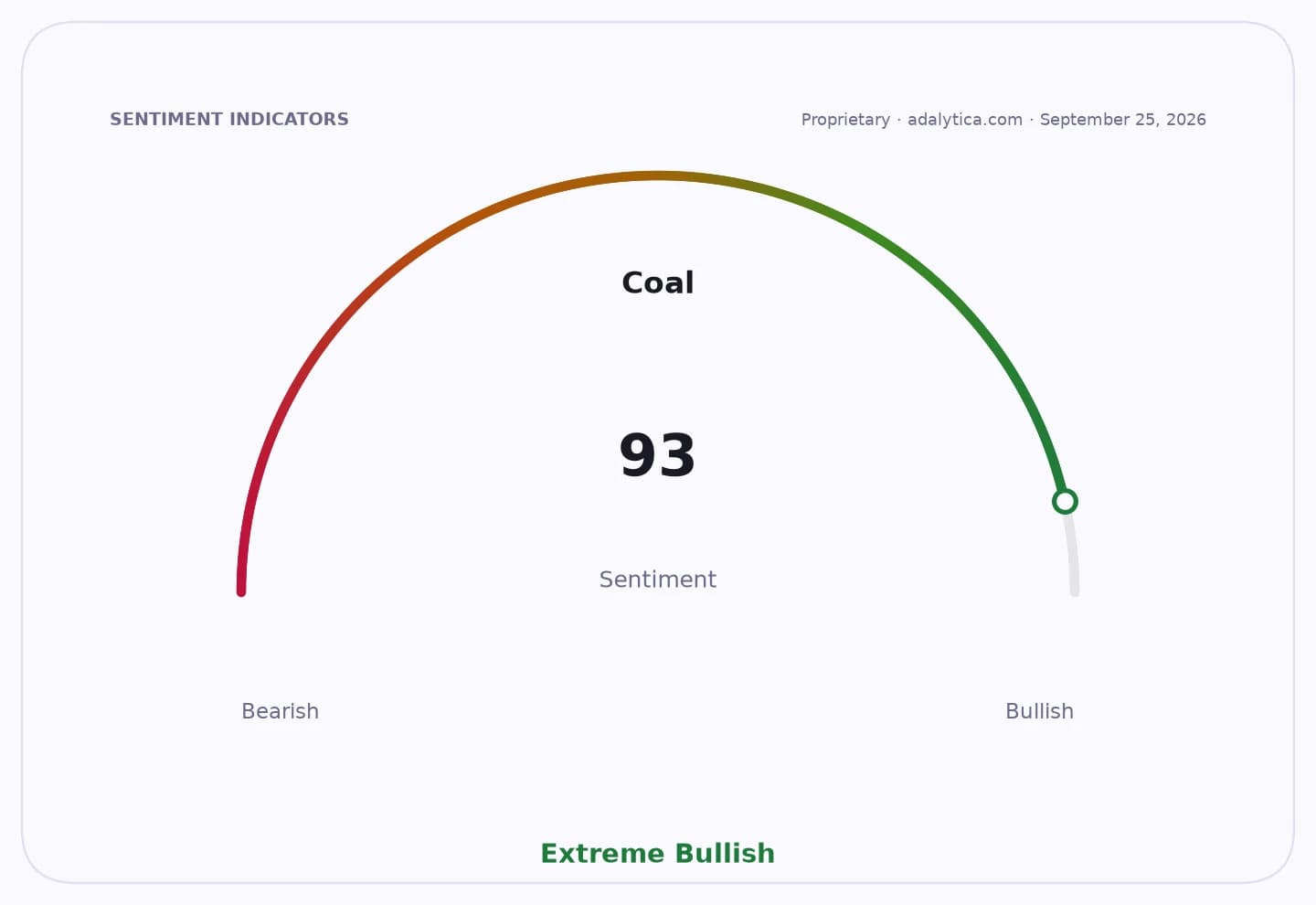
Sentiment IndicatorsⓘProprietary · adalytica.com · July 27, 2026
This is a snapshot — live sentiment, awareness and momentum for 130+ markets update continuously in the dashboard.Open AlphaPulse

The market backdrop underscores the opportunity. Hong Kong-listed China ETF FXI and the broader emerging-markets gauge EEM have both been volatile, with technical indicators showing choppy momentum rather than a decisive trend. FXI is trading just above its 50-day moving average after a sharp summer reset, while EEM has slipped back below its 50-day line and remains under its 200-day average. That is classic “wait and see” positioning from global investors, and it leaves room for any policy or trade signal that improves visibility on China-linked earnings.
The geopolitical overlay is the real wildcard. Recent ASEAN meetings have been dominated by South China Sea disputes, with the Philippines criticizing China and the US reaffirming its Asia commitment. Adalytica’s US-China Relations Sentiment gauge sits in “Extreme Fear,” while SPY trade signals also show extreme caution. In other words, investors are pricing in friction, not cooperation. That creates an asymmetric setup: any credible sign that Beijing and ASEAN can preserve a pragmatic trade channel could matter more for markets than the event itself suggests.
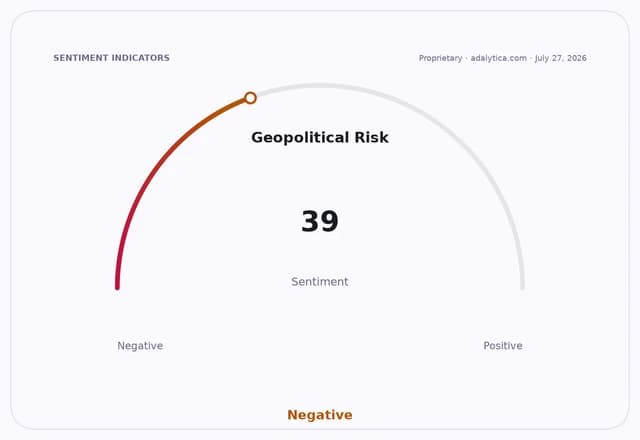
The winners are likely to be the companies and sectors most levered to regional commerce rather than headline diplomacy. Think logistics, ports, industrial suppliers, consumer platforms and China-facing travel names — the kinds of businesses that benefit when trade flows keep moving even if rhetoric worsens. The losers are the hawkish narratives, tariff bulls and anyone betting that rising tensions will force a clean decoupling.
The right takeaway is to treat the September expo as a geopolitical risk event with economic upside, not just a calendar item. If China uses it to lean into ASEAN trade, investors should expect a modest but meaningful re-rating in China-exposed equities, especially the supply-chain and consumer names that stand to gain from a steadier regional growth corridor. In a market that is heavily underweight conviction, even incremental de-escalation can be a powerful catalyst.
| Entity | Gains | Losses |
|---|---|---|
| China-ASEAN exporters | ▲More trade visibility | ▼Tariff and tension risk |
| Logistics and port operators | ▲Higher freight flows | ▼Slower cross-border volumes |
| China ETFs and Hong Kong equities | ▲Policy support narrative | ▼Geopolitical discount |
| Hawkish trade bets | ▲— | ▼De-escalation hopes |