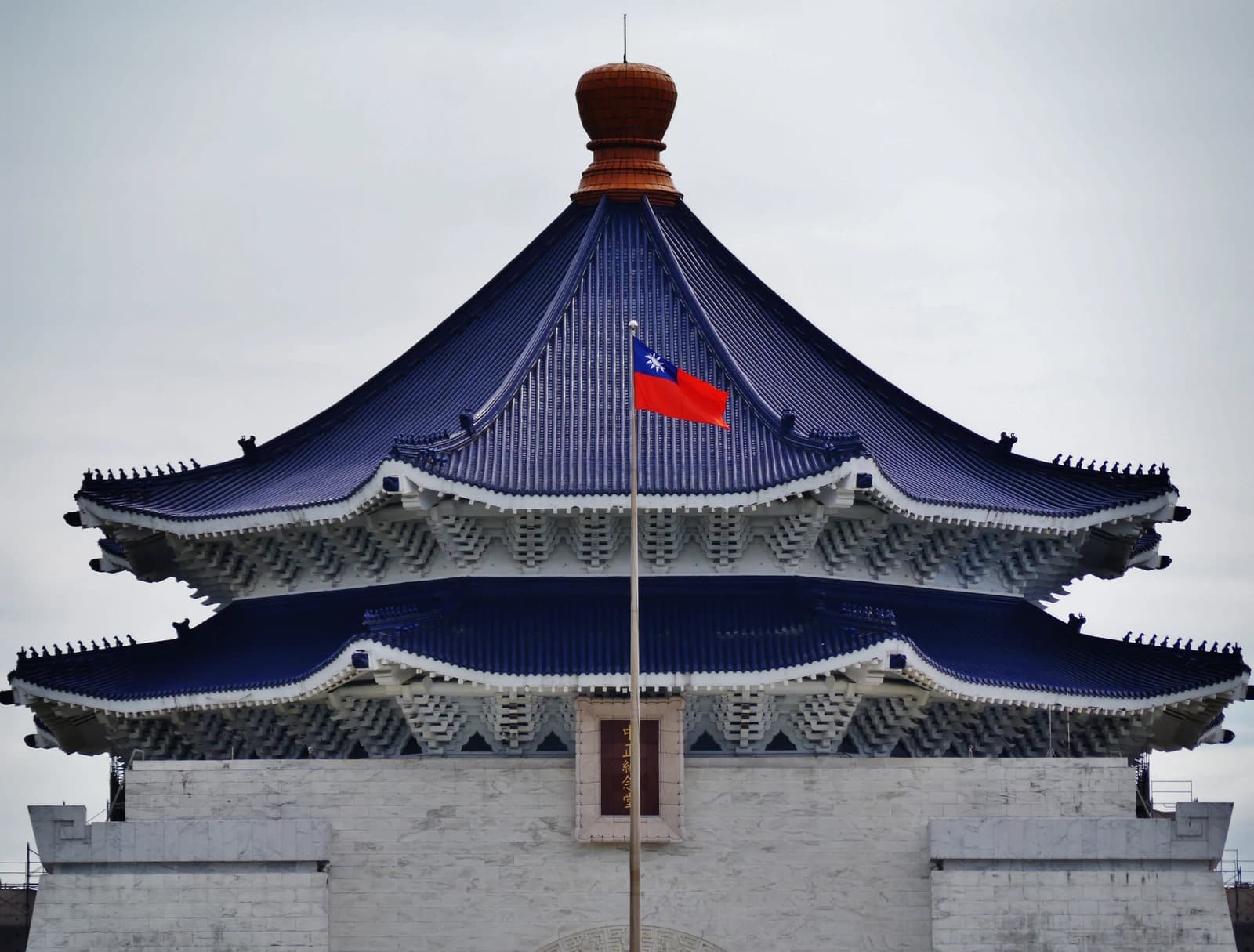
China’s apparent effort to float claims over the Philippines’ Batanes islands near Taiwan is less about a remote archipelago than about shaping the battlefield around any future crisis over Taiwan.
China Batanes Claims Raise Taiwan Security Risk
The move matters economically because it sits on the Bashi Channel, a narrow and strategically vital waterway that would be central to any Chinese attempt to encircle or blockade Taiwan. Any widening of the dispute raises the odds of more frequent maritime confrontations, tighter military deployments and greater risk to shipping, undersea cables and regional trade routes that connect Northeast Asia with the wider Indo-Pacific.
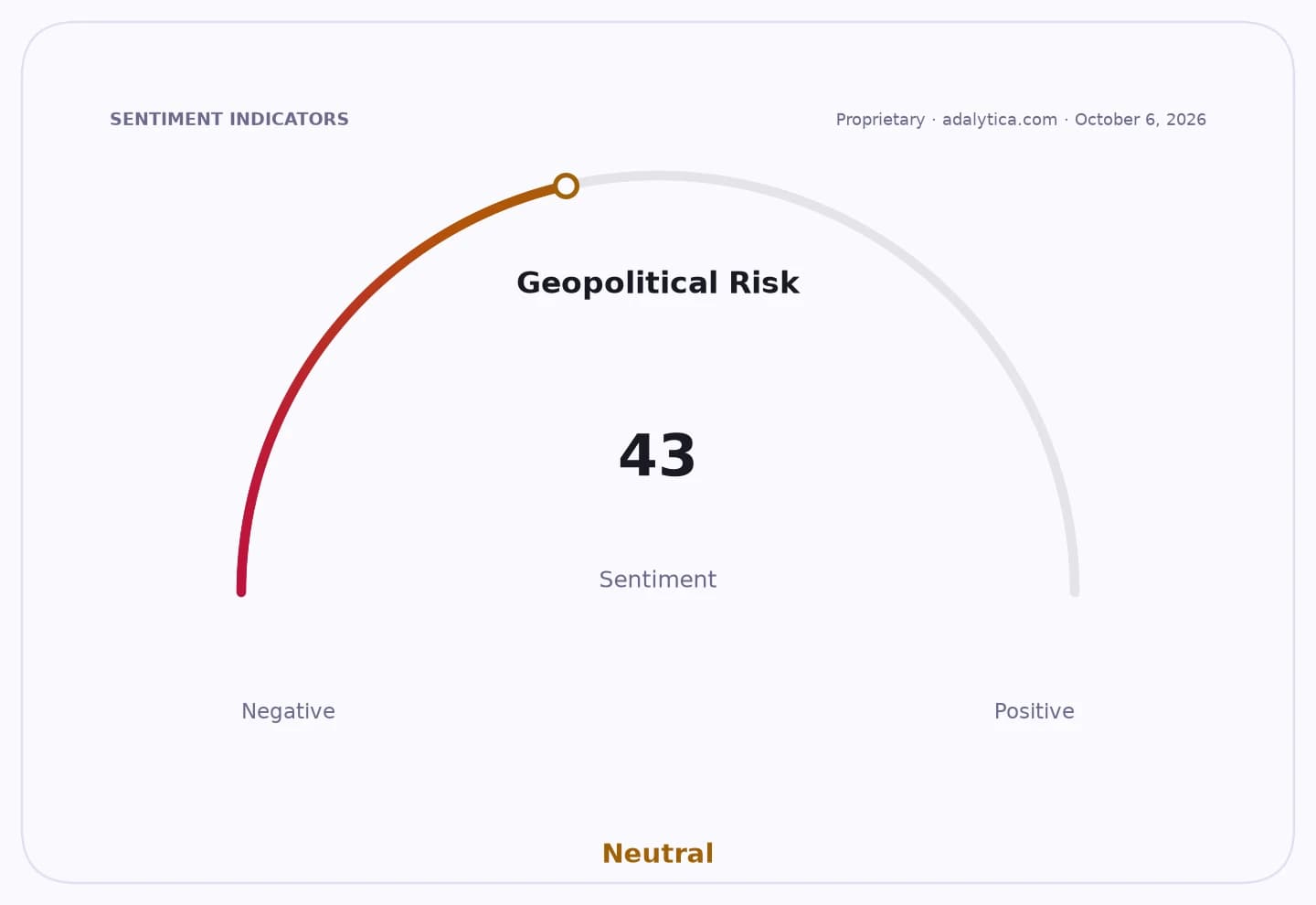
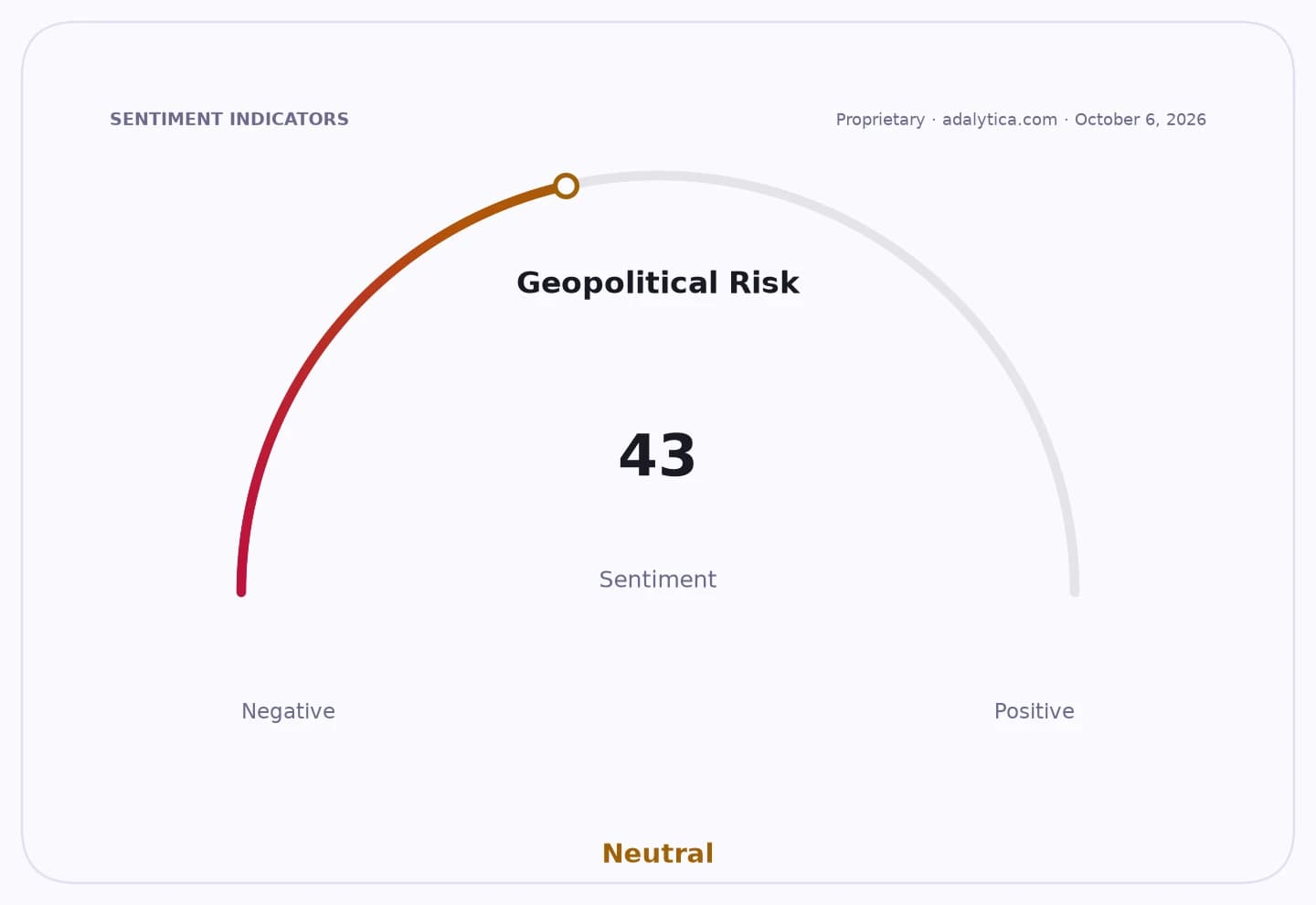
Sentiment IndicatorsⓘProprietary · adalytica.com · October 12, 2026
This is a snapshot — live sentiment, awareness and momentum for 130+ markets update continuously in the dashboard.Open AlphaPulse
It also matters to investors because the episode adds another layer of geopolitical risk to an already fragile US-China relationship and to markets exposed to East Asian supply chains. The latest reading of Adalytica’s Global Stability Sentiment remains in “Extreme Greed,” but awareness is stuck in “Extreme Fear,” underscoring how complacent positioning can coexist with elevated tail risk. That matters for defense names, Taiwan-linked technology shares, regional currencies and broader Asia risk assets if the rhetoric turns into a more sustained contest over access and legal rights.
The immediate trigger is a series of remarks by China-linked academics and state media suggesting Batanes could be treated as a geographic extension of Taiwan and therefore part of China’s sphere. Manila has swiftly rejected the claim, with the Philippine defense minister calling it absurd and the country’s history commission issuing a detailed rebuttal. The islands have been under Philippine control since the colonial era, and local officials say there is no ambiguity about sovereignty.
Geopolitical Risk — 30-day sentimentadalytica.com
Explore this data interactively — full history, time series and cross-market comparisons.Open AlphaPulse
What makes the dispute more consequential is the method. The claim fits Beijing’s broader gray-zone playbook: using academics, coast guard patrols, surveys and legal argument to test reactions and normalize presence without crossing into open conflict. That approach has already been visible in the South China Sea, around the Himalayas and along the edges of Taiwan’s airspace. Batanes gives China another potential line of pressure, this time north of Luzon and just about 161 kilometers from Taiwan.
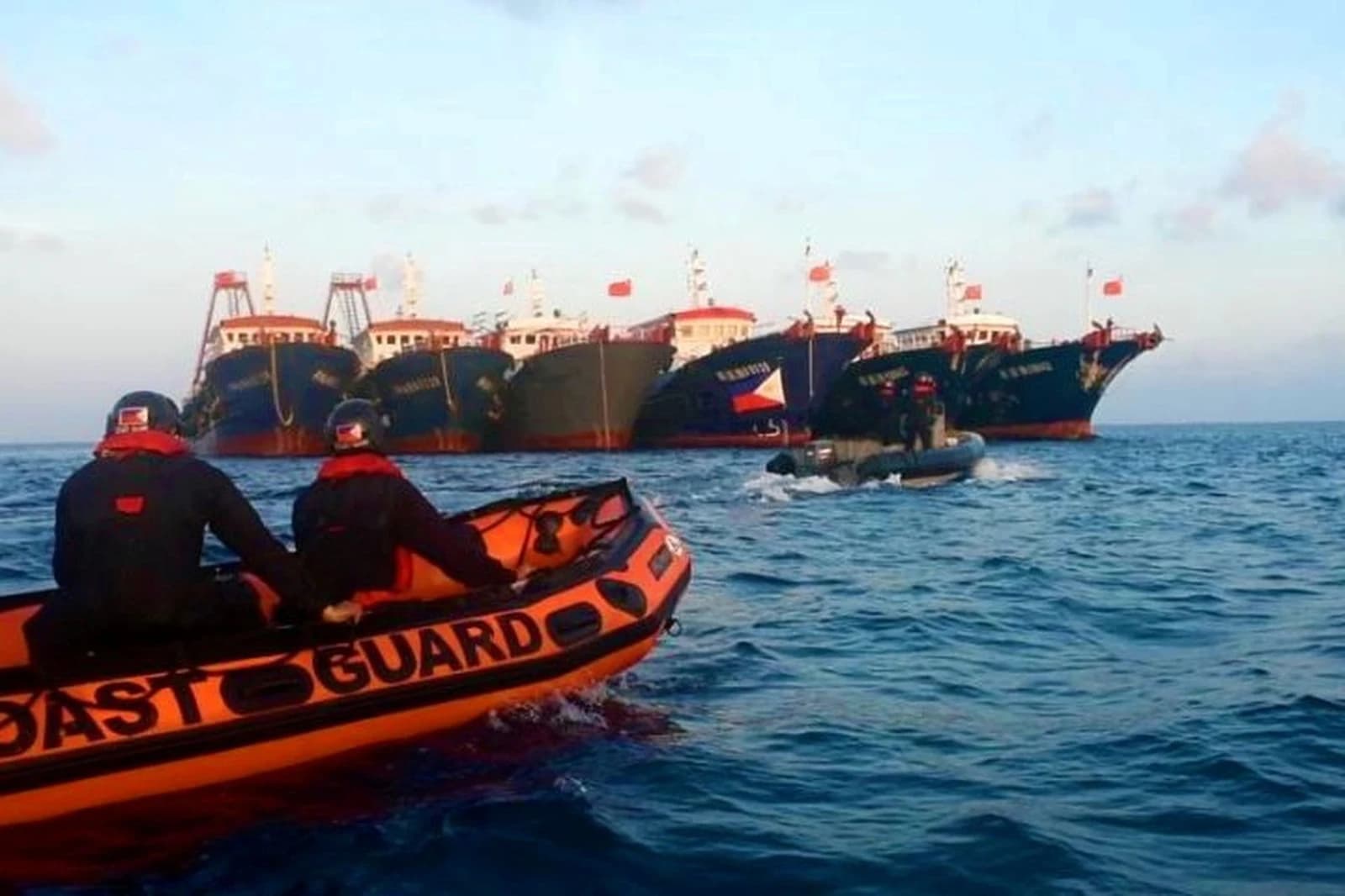
The military dimension is hard to miss. The US has held drills around the islands, and it recently deployed a mobile missile system there capable of targeting Chinese ships in the Bashi Channel. Philippine and US forces also conducted exercises in the area in May, while Manila has opened a new forward operating base in Batanes to strengthen its posture. Chinese coast guard and research vessels have been seen operating nearby in the past 18 months, and a recent Philippine attempt to drive off a survey ship led to a Chinese coast guard response.
For Taiwan, the issue is not just territorial rhetoric but operational geography. Any plan to close off Taiwan in a crisis would need influence over surrounding waters, and Batanes sits outside the First Island Chain in a position that could help China widen that envelope. That is why even speculative legal claims matter: they can be used later to justify patrols, surveys and coercive presence in waters Beijing wants to keep contested.
Investors have already had a preview of how sensitive the region is. EWT, the Taiwan ETF, has held above its 50-day moving average but is trading well below its earlier highs, with momentum easing and the RSI back in neutral-to-soft territory. EWH, the Hong Kong ETF, remains weaker relative to its 200-day average, while FXI has also rolled over. Those technical patterns do not by themselves price in a Batanes crisis, but they show how quickly Asia exposure can lose support when geopolitical risk rises.
The bull case for markets is that this remains a rhetorical and legal skirmish, with no Chinese official endorsement and no immediate change to the status quo. The bear case is that such claims, once aired and repeated, become part of a longer campaign to broaden Beijing’s operating space around Taiwan and to pressure Manila into accepting a more ambiguous order at sea.
For now, the story is less about whether China can credibly claim Batanes than about what it is trying to normalize. If Beijing keeps using academic and coast guard activity to probe new boundaries, investors should expect more friction around Taiwan’s southern approaches, more US-Philippine military coordination and a higher geopolitical premium across regional assets.
| Entity | Gains | Losses |
|---|---|---|
| China | ▲Gray-zone leverage | ▼Diplomatic credibility |
| Philippines | ▲Sovereignty support | ▼Security exposure |
| Taiwan | ▲Greater allied attention | ▼Encirclement risk |
| Investors | ▲Defense-sector hedges | ▼Asia risk appetite |