China’s net cross-border capital inflows into non-bank sectors eased to $40.7 billion in September, down 35% from August, even as trade in goods continued to deliver a solid foreign-exchange cushion for the world’s second-largest economy.
China September capital inflows ease to $40.7 billion

The decline matters because it shows capital flows remain positive, but less forceful, at a time when global markets are volatile and China is trying to keep its currency and external accounts stable. For investors, the reading is a reminder that China is still generating hard-currency inflows from trade, yet outflows tied to outbound investment and overseas financing are also growing.
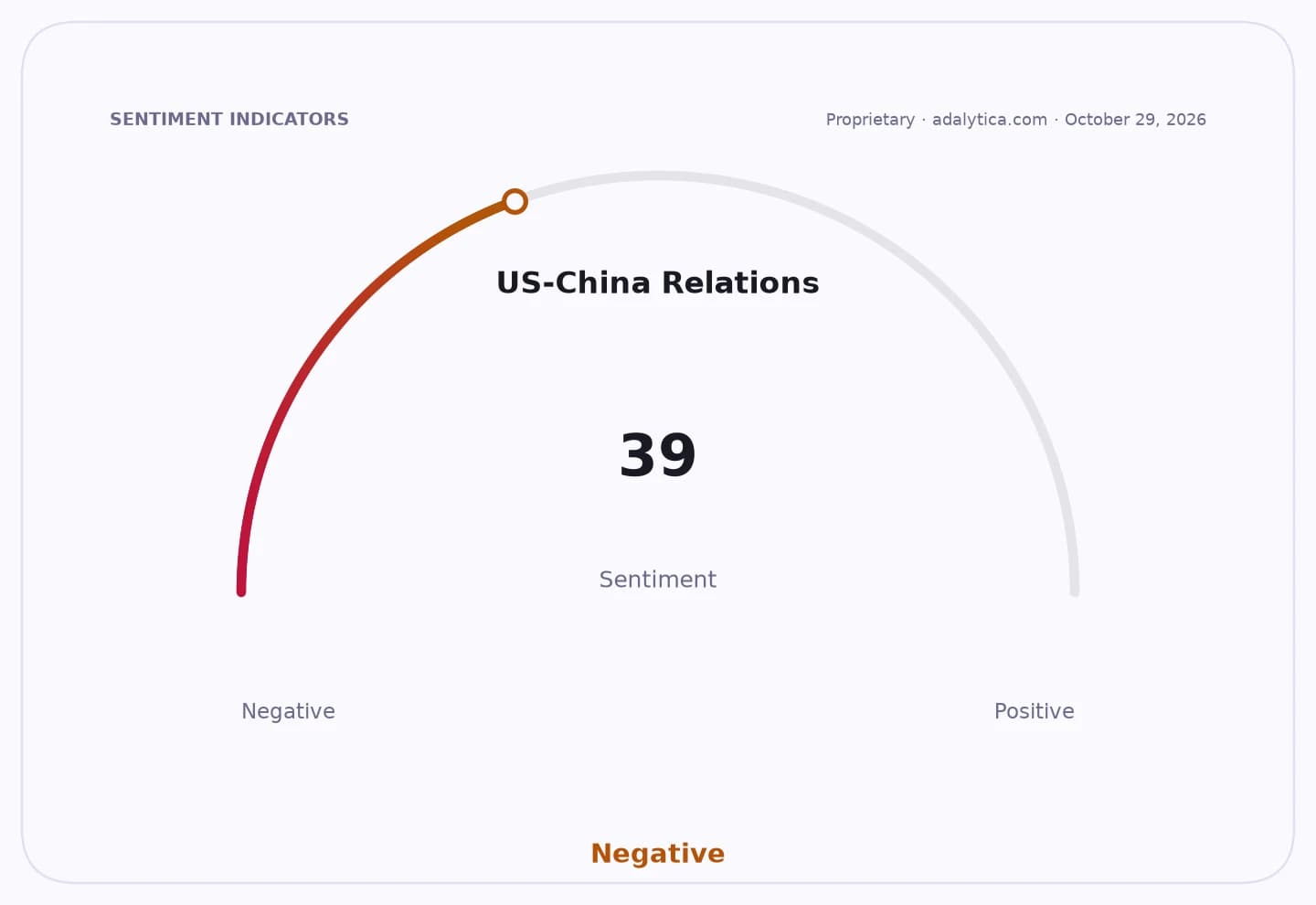
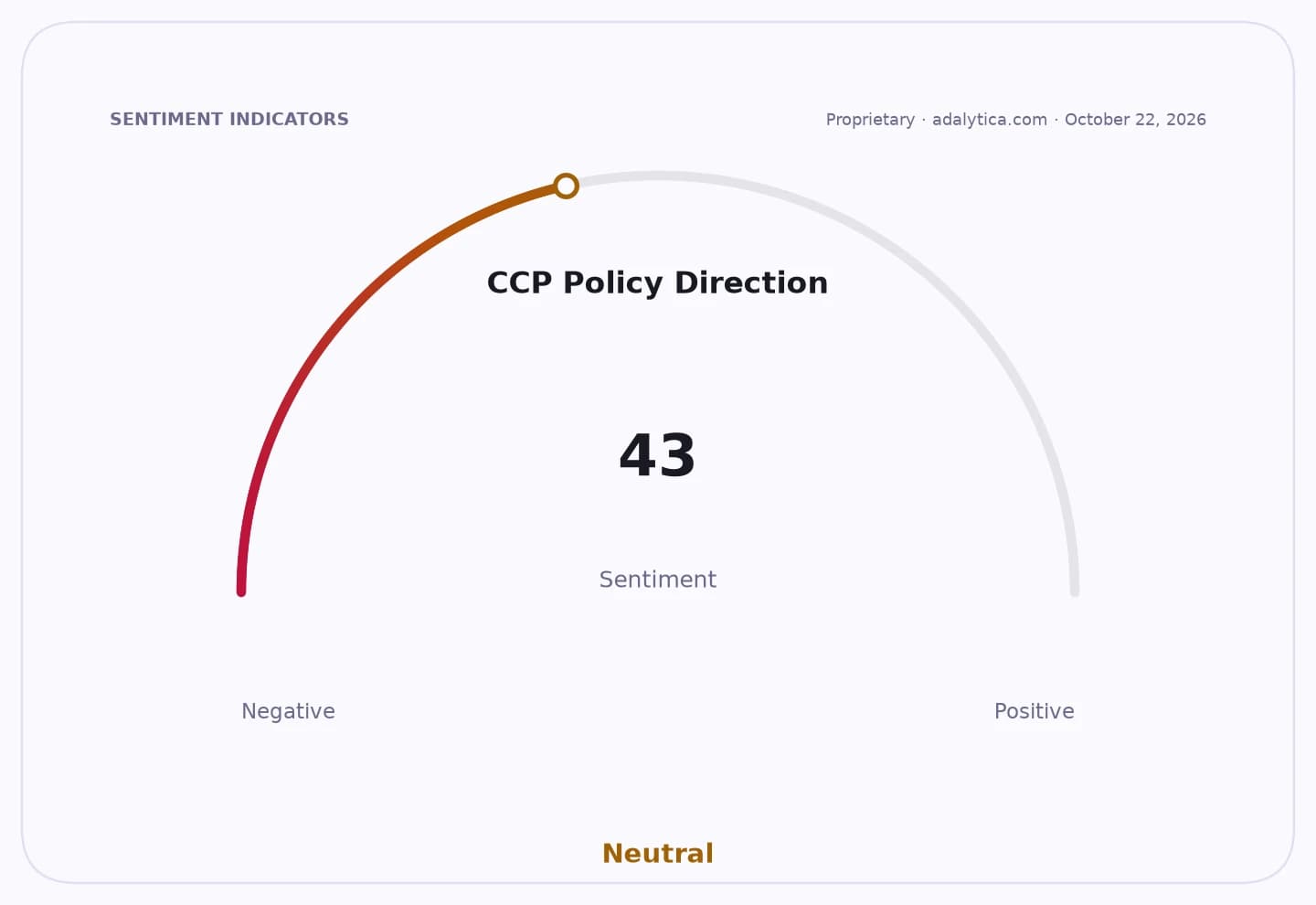
Sentiment Indicators
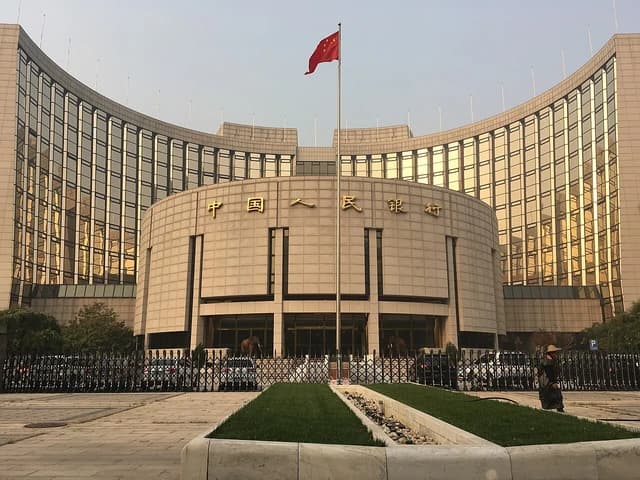
The State Administration of Foreign Exchange said cross-border receipts and payments rose 9% from August, while foreign-exchange settlement and sales increased 17%. Banks settled $294.2 billion of foreign exchange and sold $238 billion in September, leaving settlement ahead of sales by nearly $400 billion in the first nine months.
SAFE said net inflows from goods trade remained substantial, while the services-trade deficit was relatively stable. Travel demand also stayed elevated, with Chinese residents continuing to travel abroad and foreign visitors returning to China, keeping receipts and expenditures high.
US Dollar
At the same time, outward direct investment by Chinese companies increased, with financing from domestic firms to overseas affiliates rising particularly quickly. SAFE said that reflected changing interest-rate differentials at home and abroad and, to some extent, the renminbi’s growing use as a financing currency.
For markets, the message is that China’s foreign-exchange backdrop is not under immediate pressure, but the balance of flows is becoming more nuanced. Strong trade-linked inflows help support the yuan and ease liquidity concerns, while rising outbound investment can absorb some of that support if global rate gaps remain wide.
That dynamic will remain a focus for currency traders and China asset investors heading into year-end, especially if overseas borrowing stays attractive for Chinese firms or if global risk sentiment turns more volatile.
| Entity | Gains | Losses |
|---|---|---|
| China exporters | ▲Steady FX inflows | ▼Stronger yuan, if it persists |
| Chinese companies investing abroad | ▲Easier overseas financing | ▼Higher domestic funding costs |
| Yuan bulls | ▲Trade-led support | ▼Faster outbound capital flows |
| Importers and FX buyers | ▲Stable market conditions | ▼Less room for cheaper foreign currency |