China’s coal mining and washing industry booked 210.72 billion yuan in first-half profit, underscoring that coal remains one of the few energy businesses still generating outsized cash flow even as the broader industrial cycle stays uneven.
China Coal Profits Stay Strong Despite Transition
The scale of the earnings matters because it points to a sector still benefiting from firm fuel prices, resilient utility demand and a supply chain that has not normalized as quickly as policymakers would like. In a year when China’s industrial production has continued to grind higher and global energy markets have remained volatile, coal producers are still able to pass through costs and defend margins, giving the sector a financial cushion that many heavy industries lack.
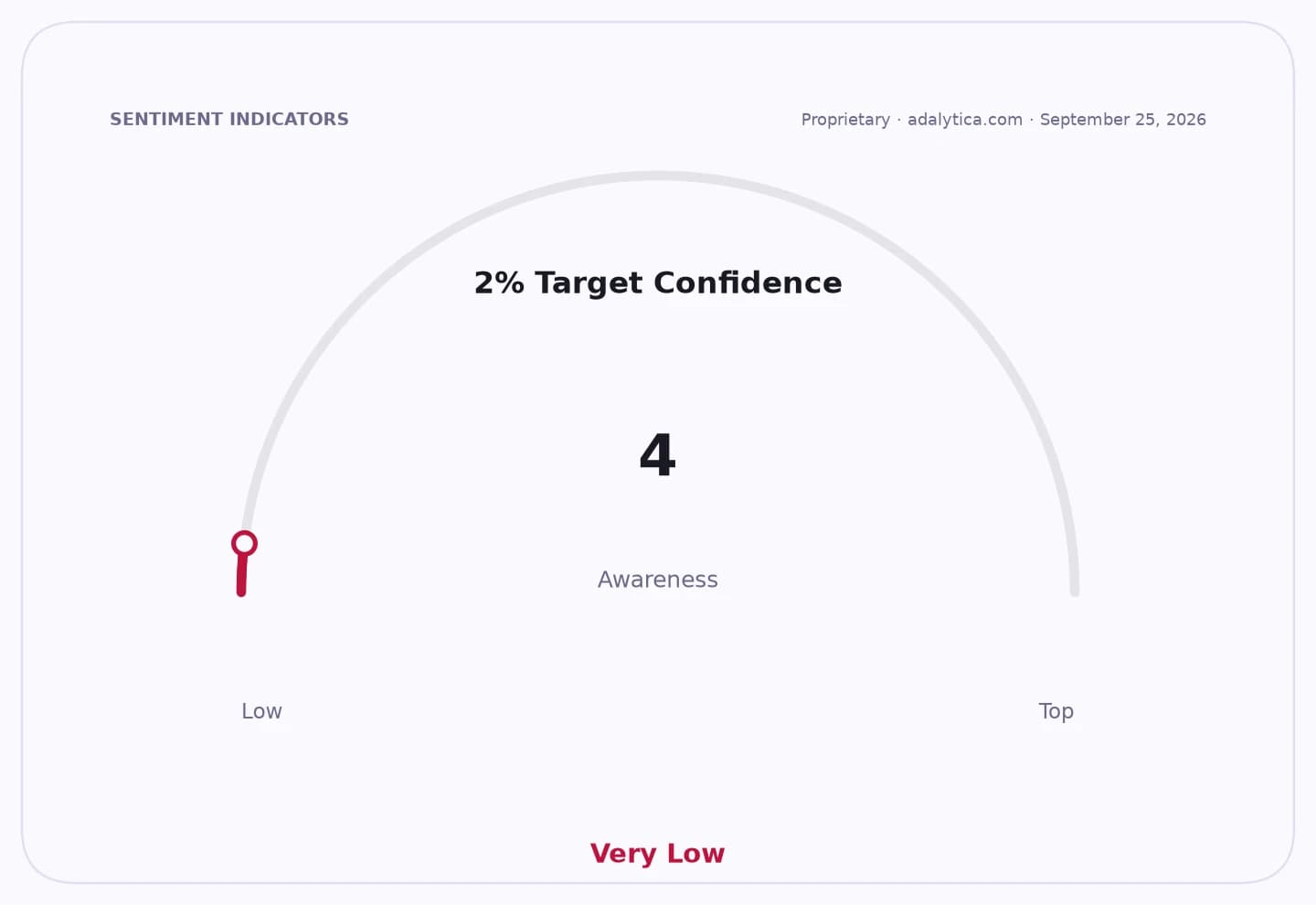
Sentiment IndicatorsⓘProprietary · adalytica.com · July 27, 2026
This is a snapshot — live sentiment, awareness and momentum for 130+ markets update continuously in the dashboard.Open AlphaPulse
That profitability also reinforces coal’s continuing role in the energy system despite the policy push toward cleaner fuels. The industry’s returns are being supported by persistent demand from power generation and by the fact that coal remains a critical backup fuel when gas markets tighten or when imported LNG is disrupted. The result is a sector that can still post strong earnings even as long-term decarbonization pressures intensify.
The macro backdrop helps explain why. Brent and WTI crude have been stable enough to keep energy inflation alive, while global industrial activity has not collapsed. At the same time, coal logistics remain a constraint in several producing regions, which can tighten supply and support domestic pricing. Where transport and washing capacity are constrained, producers with better logistics and higher-quality output tend to capture more value, widening the gap between efficient operators and weaker mines.
For investors, the message is mixed. The profit figure is bullish for coal miners, rail-linked logistics operators and equipment suppliers that benefit from higher throughput and sustained extraction. It also supports cash returns, debt reduction and capital spending. But it is a warning to short sellers and to investors betting on a rapid earnings reset: coal’s cyclical strength can last longer than policy narratives suggest, especially when energy security is prioritized over emissions goals.
That said, the bull case depends on prices and policy staying supportive. A sharper slowdown in industrial demand, a rise in alternative fuel supply or an acceleration in rail and transport upgrades that eases bottlenecks could compress margins. Longer term, tighter environmental rules and substitution away from coal would likely cap valuation multiples even if profits remain elevated in the near term.
For now, the industry’s first-half earnings show that coal is still a powerful profit engine in China’s energy mix. Investors will be watching whether those gains are sustained into the second half, and whether infrastructure improvements and policy shifts change the balance between volume growth, pricing power and long-run structural decline.
| Entity | Gains | Losses |
|---|---|---|
| Coal miners | ▲Strong first-half profits | ▼Higher scrutiny on emissions |
| Coal logistics operators | ▲More throughput revenue | ▼Persistent bottlenecks |
| Utilities and power buyers | ▲Supply security | ▼Higher fuel costs |
| Decarbonization advocates | ▲— | ▼Coal’s profit resilience |