China’s commercial property market is finally starting to look investable again, and that matters because a sector long defined by falling prices and frozen capital could now get a badly needed liquidity backstop.
China commercial property and REITs draw buyers again
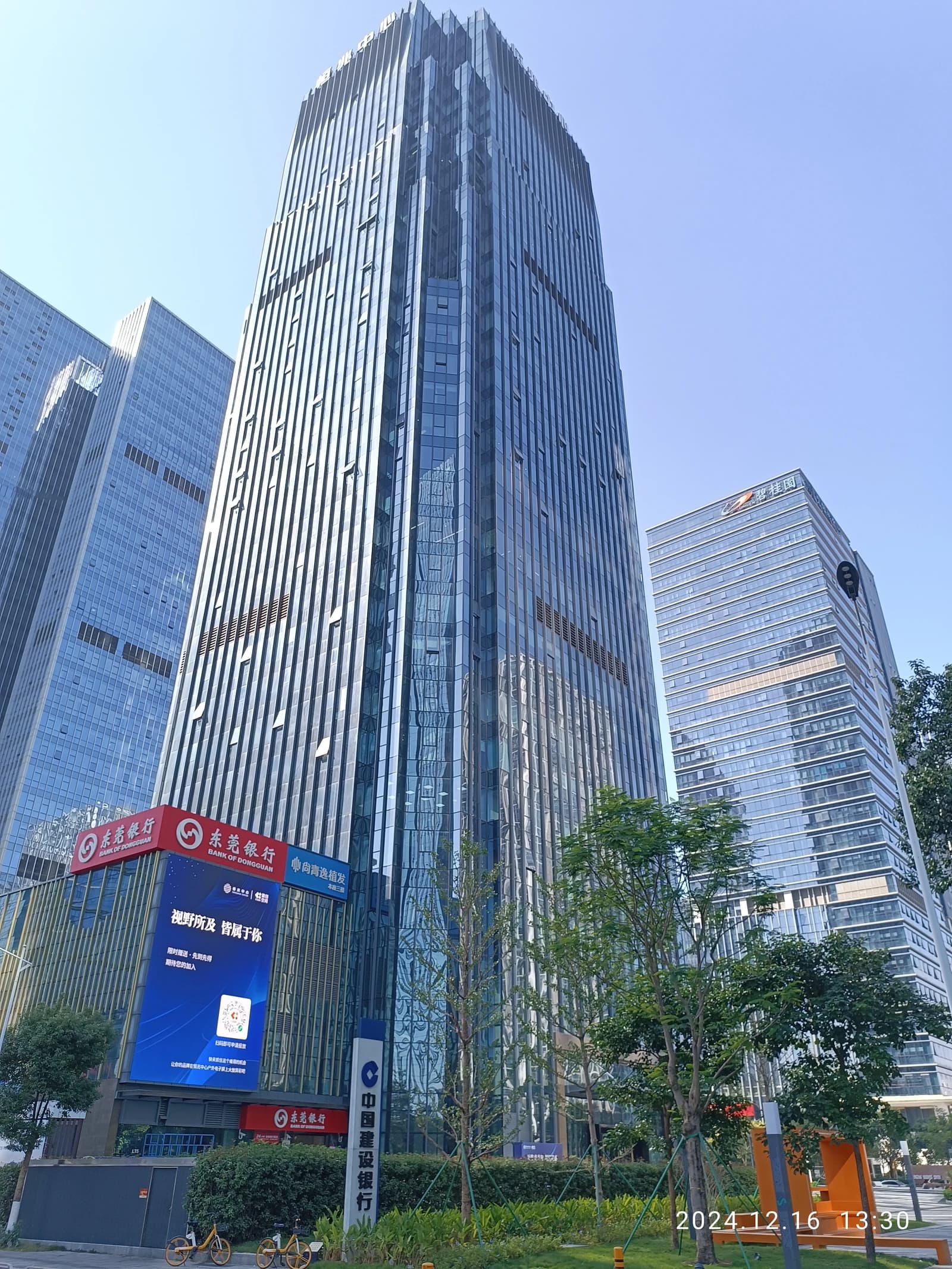
The change is not that offices, hotels and shopping centers have suddenly become healthy. It is that cheaper assets are drawing in buyers again, while new real estate investment trust funds are creating a more efficient way for capital to enter the market. For investors, that combination can do more than lift sentiment. It can restart price discovery, improve transaction volumes and make it easier for owners to refinance or sell assets instead of sitting on distressed properties.
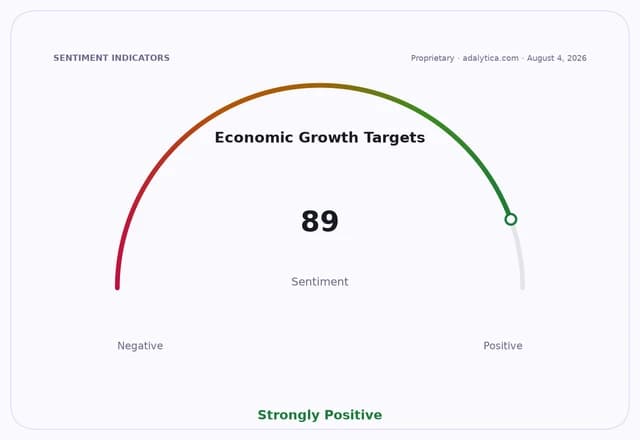
Sentiment IndicatorsⓘProprietary · adalytica.com · August 4, 2026
This is a snapshot — live sentiment, awareness and momentum for 130+ markets update continuously in the dashboard.Open AlphaPulse
That is important in a country where commercial real estate has been a drag on balance sheets and confidence for years. Oversupply and regulatory tightening helped keep the sector in a slump, and that slump fed back into the broader economy by limiting wealth effects, depressing investment and weakening local development activity. When commercial assets stop trading, everything from lenders to landlords to developers loses a benchmark for value. When they start moving again, even at lower prices, the market can begin to clear.
The new REIT push is particularly noteworthy because it gives investors a more liquid wrapper around property exposure. In a market where direct ownership can be messy and illiquid, REITs can attract institutional capital that might otherwise stay on the sidelines. That does not mean the rebound will be linear or broad-based. It does mean the sector may be moving from pure survival mode to a phase where patient capital can pick through the wreckage.

For long-term investors, the key question is not whether China’s commercial real estate has already healed. It is whether the market has finally reached the kind of valuation reset that creates opportunity. If prices stay depressed but transactions keep improving, that can be a very constructive setup for buyers with a multi-year horizon. It is also a reminder that in real estate, the best returns often come when sentiment is still cautious and liquidity is just starting to return.
The development is worth watching closely because a sustained pickup in commercial property trading could signal broader stabilization in China’s property sector. If that happens, the winners are likely to be the investors able to buy quality assets at reset prices, while the losers are the owners who waited too long to sell and the lenders still exposed to weak collateral.
| Entity | Gains | Losses |
|---|---|---|
| REIT investors | ▲New entry point | ▼Illiquid direct deals |
| Asset buyers | ▲Distressed pricing | ▼Waiting sellers |
| China property market | ▲Better liquidity | ▼Legacy oversupply |
| Lenders and landlords | ▲Clearer valuations | ▼Weak collateral holders |