China is choosing not to step into the climate vacuum left by the United States, underscoring Beijing’s view that it can shape the energy transition through manufacturing and trade without taking on the diplomatic burdens of global leadership.
China avoids COP33 leadership, backs green trade

The decision not to host COP33 in 2028, according to people familiar with the matter, and China’s low-profile showing at COP31 in Antalya reflect a deliberate calculation in Beijing: the political costs of formal climate leadership outweigh the benefits. That matters economically because the country is now both the world’s biggest emitter and the dominant supplier of the equipment needed to cut emissions, from solar panels to wind turbines and electric vehicles. By staying on the sidelines diplomatically, China preserves room to protect its coal sector, avoid pressure for more ambitious emissions targets and limit expectations for larger climate-finance commitments.
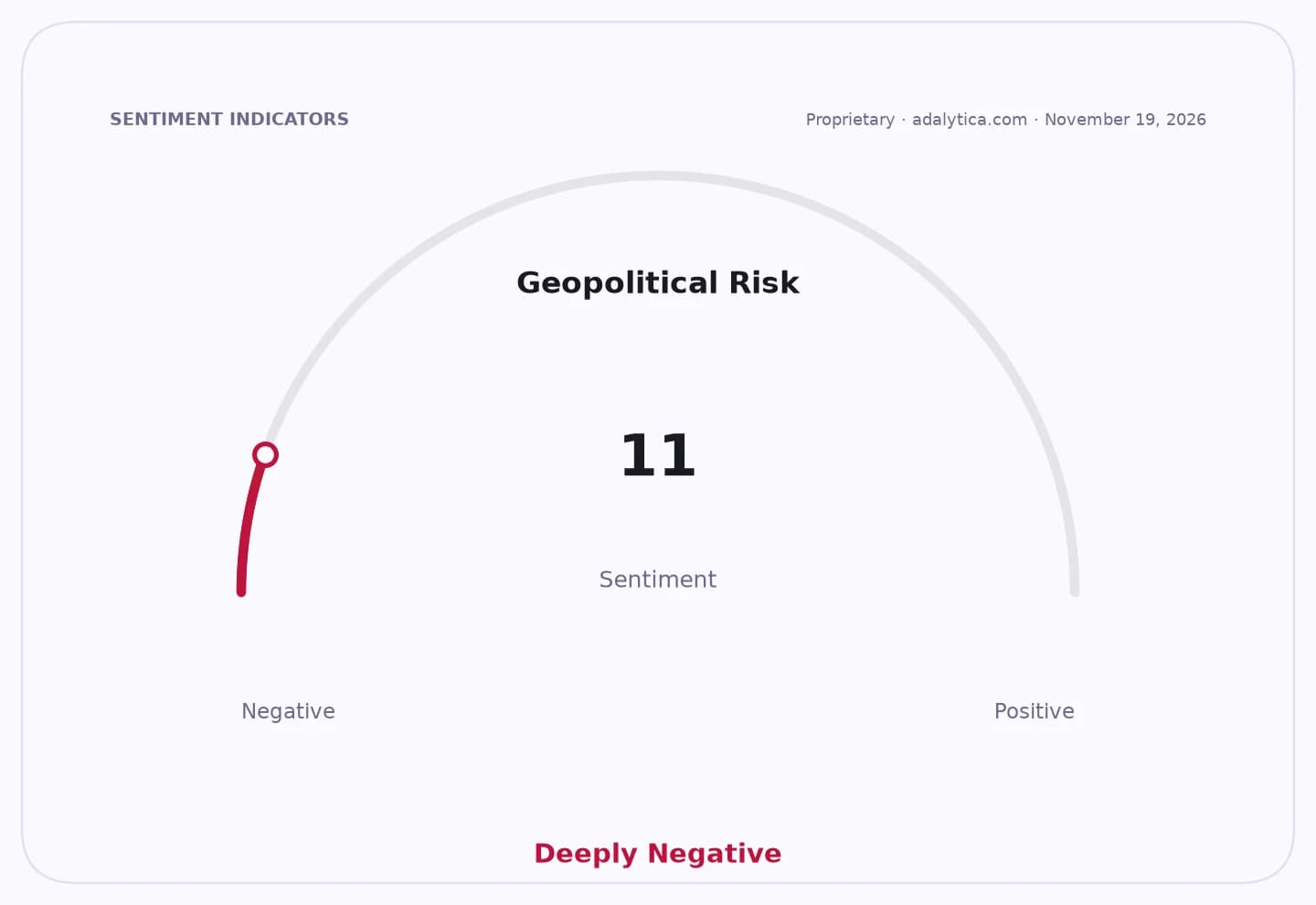
Sentiment Indicators
Geopolitical Risk
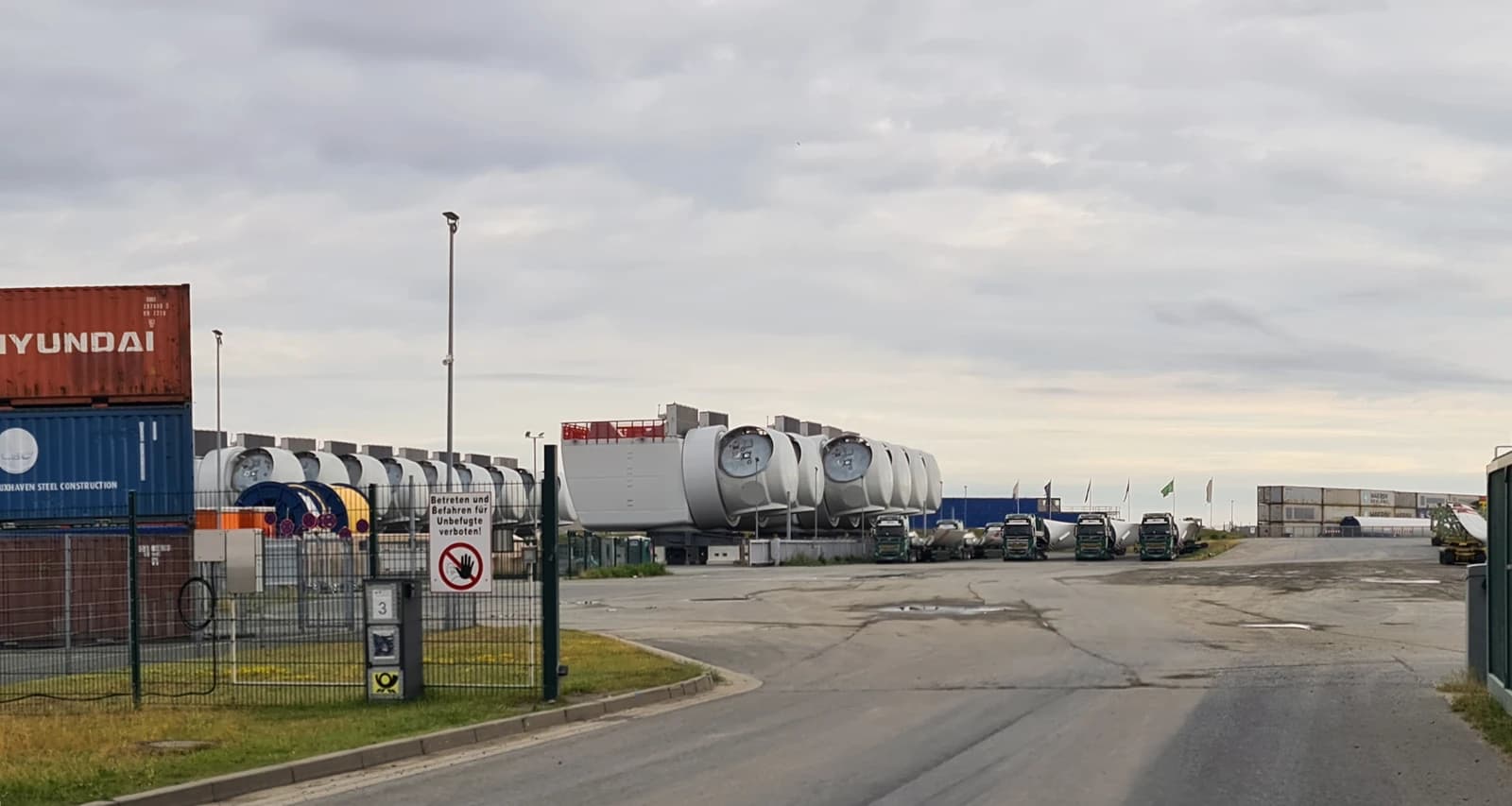
At the same time, Beijing is using climate talks to pursue a narrower but commercially useful goal — keeping green trade flowing. Chinese negotiators have pushed for language supporting the free flow of green goods, a position that aligns with its industrial policy and its status as the largest exporter of clean technology. Reuters analysis ahead of the conference showed China sent $132 billion of clean-tech and investment to the developing world last year, almost matching all developed-world climate finance and highlighting how Beijing is already exercising influence through supply chains rather than summitry.
For investors, the message is mixed. The bullish case is that China’s clean-energy ecosystem remains central to the global transition and could benefit if governments soften barriers to imports of solar equipment, batteries and EVs. The bearish case is that the same trade frictions that have blocked Chinese EVs in the US and prompted the European Union to raise barriers could slow exports, compress margins and keep Chinese clean-tech valuations volatile. That tension helps explain why China is comfortable being indispensable to decarbonisation, but reluctant to become its public face.
Geopolitical Risk
The broader narrative is that climate diplomacy has become inseparable from industrial competition. Xi Jinping is presenting China as a defender of free trade while western governments increasingly frame Chinese green exports as a strategic risk. If that divide widens, China’s climate role may remain economically powerful but politically constrained — influential in the market for clean technology, yet unwilling to pay the price of formal leadership.
| Entity | Gains | Losses |
|---|---|---|
| China clean-tech exporters | ▲Higher demand for green goods | ▼Trade barriers in US/EU |
| Developing economies | ▲Cheaper transition technology | ▼Less climate finance leverage |
| US/EU manufacturers | ▲Protection from Chinese competition | ▼Higher clean-energy costs |
| Global climate diplomacy | ▲Continued supply-chain support | ▼Leadership vacuum at COP |